


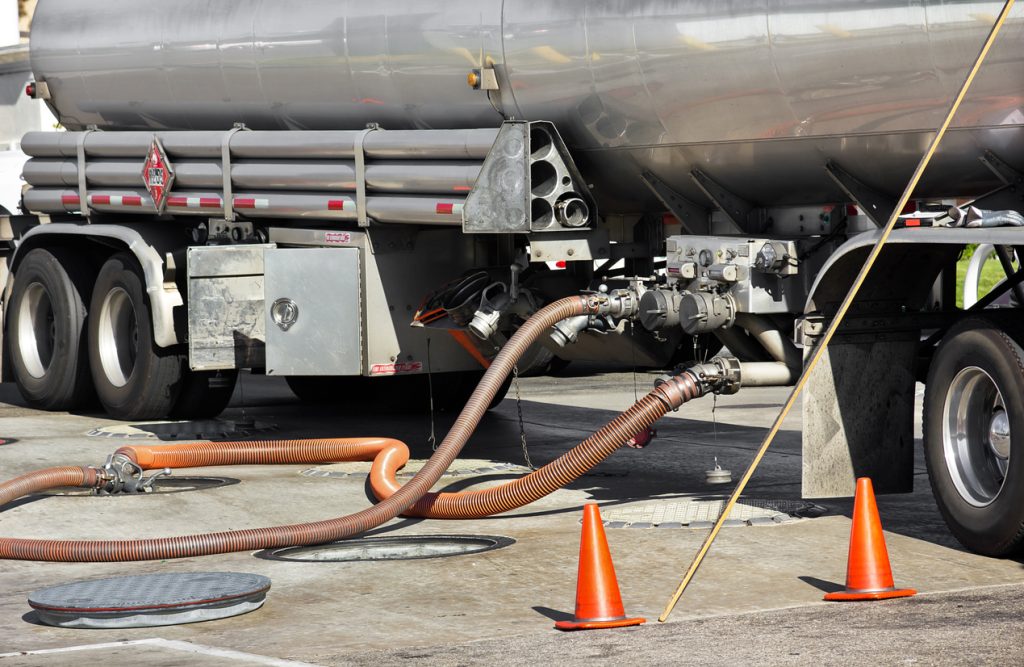
Fuel keeps Nigeria moving. From danfo buses in Lagos to interstate trucks on the Abuja–Kaduna road, almost every trip, delivery, and cargo movement depends on how well fuel gets from depots to filling stations and commercial users.
For many businesses, understanding the fuel distribution network in Nigeria is not just an oil and gas topic. It affects delivery timelines, transport fares, courier pricing, hotel transfer costs, vehicle hire rates, and even how quickly goods can move between cities.
How fuel moves across Nigeria before it reaches customers
Fuel distribution in Nigeria usually starts from major supply points, depots, tank farms, and storage facilities. From there, petroleum products are moved by trucks to filling stations, industrial users, transport operators, logistics companies, and large commercial buyers.
In practical terms, this movement affects daily operations in places like:
Lagos
Ogun
Abuja
Port Harcourt
Kano
Onitsha
Ibadan
Benin City
Warri
Kaduna
When supply is stable, transport companies can plan better. When there are delays at depots or scarcity in high-demand cities, the effect spreads quickly. Delivery fees rise, buses load slower, trucks spend longer on the road, and customers begin to experience missed timelines.
Why fuel supply affects delivery prices in Lagos and other cities
In Lagos, fuel cost is one of the biggest factors behind same-day delivery pricing. A rider moving parcels from Lekki to Ikeja, Surulere, Yaba, or Festac has to consider traffic, distance, waiting time, and fuel availability.
For example, a delivery that should cost less on a normal day may become more expensive when riders queue for fuel or buy from resellers at higher prices. Businesses that send orders daily often feel this quickly, especially fashion vendors, food suppliers, pharmacies, spare parts dealers, and online stores.
This is where organized logistics support matters. Travo.ng helps customers arrange courier services, parcel delivery, cargo movement, and business logistics with better coordination, so customers are not left guessing when market conditions change.
What fuel distribution means for interstate transport
Interstate travel depends heavily on predictable fuel access. Routes such as Lagos to Abuja, Lagos to Port Harcourt, Abuja to Kano, and Lagos to Onitsha can become more expensive when fuel supply is tight.
A transport operator moving passengers from Lagos to Abuja must calculate fuel, driver allowance, vehicle maintenance, tolls, loading delays, and possible overnight risk. If fuel prices increase or filling stations along the route are unreliable, fares usually adjust.
For customers booking road transport, group travel, airport pickup, or vehicle hire, this means it is better to plan early. Last-minute bookings during fuel scarcity, festive periods, or public holidays can cost more than usual.
Businesses need more than just vehicles
Many companies make the mistake of thinking logistics is only about finding a driver or dispatch rider. In Nigeria, good logistics also means understanding timing, route conditions, fuel access, loading points, customer communication, and backup options.
A business sending goods from Lagos to Abuja may need:
A reliable pickup schedule
Proper packaging before cargo movement
Clear receiver details
Route planning
Delivery updates
A realistic arrival window
Support if there is a fuel-related delay
Travo.ng supports businesses and individuals with transport coordination, courier services, cargo logistics, relocation movement, and delivery planning across Nigeria.
How fuel issues affect airport pickups and hotel transfers
Fuel availability also affects airport pickup pricing. A driver assigned to pick someone from Murtala Muhammed Airport in Lagos or Nnamdi Azikiwe International Airport in Abuja has to account for airport parking, traffic delay, waiting time, and fuel cost.
For travelers arriving late at night or during peak travel seasons, pre-arranged transport is safer and more convenient than trying to negotiate after landing. Travo.ng can help with airport pickups, hotel reservations, vehicle hire, and travel booking support, especially for business travelers and families.
Planning around fuel-related delays
Fuel distribution challenges are not always predictable, but customers can reduce stress by planning better.
Book deliveries early in the day where possible.
Avoid sending urgent parcels close to closing hours.
Confirm pickup and drop-off details before dispatch.
Use trusted logistics providers instead of random riders.
Plan interstate travel before festive rush periods.
Ask for realistic timelines instead of the cheapest promise.
A cheap delivery that fails can cost more than a properly planned one.
Why local logistics experience matters
Nigeria’s transport system is not one-size-fits-all. Moving goods inside Lagos is different from sending cargo to Abuja. Booking a car for airport pickup is different from arranging group travel to another state. Fuel supply, road access, traffic, security, and customer expectations all matter.
That is why working with a locally experienced company helps. Travo.ng understands that customers need more than movement. They need coordination, communication, and practical solutions that fit Nigerian realities.
Whether you need courier delivery, cargo logistics, hotel booking, vehicle hire, relocation support, airport pickup, or business transport coordination, Travo.ng gives you a simpler way to plan and book services without chasing multiple vendors.
Natural internal linking opportunities
You can naturally connect this article to Travo.ng pages for courier services, cargo logistics, delivery services, vehicle hire, airport pickup, hotel reservations, travel bookings, relocation services, and business logistics support.
