


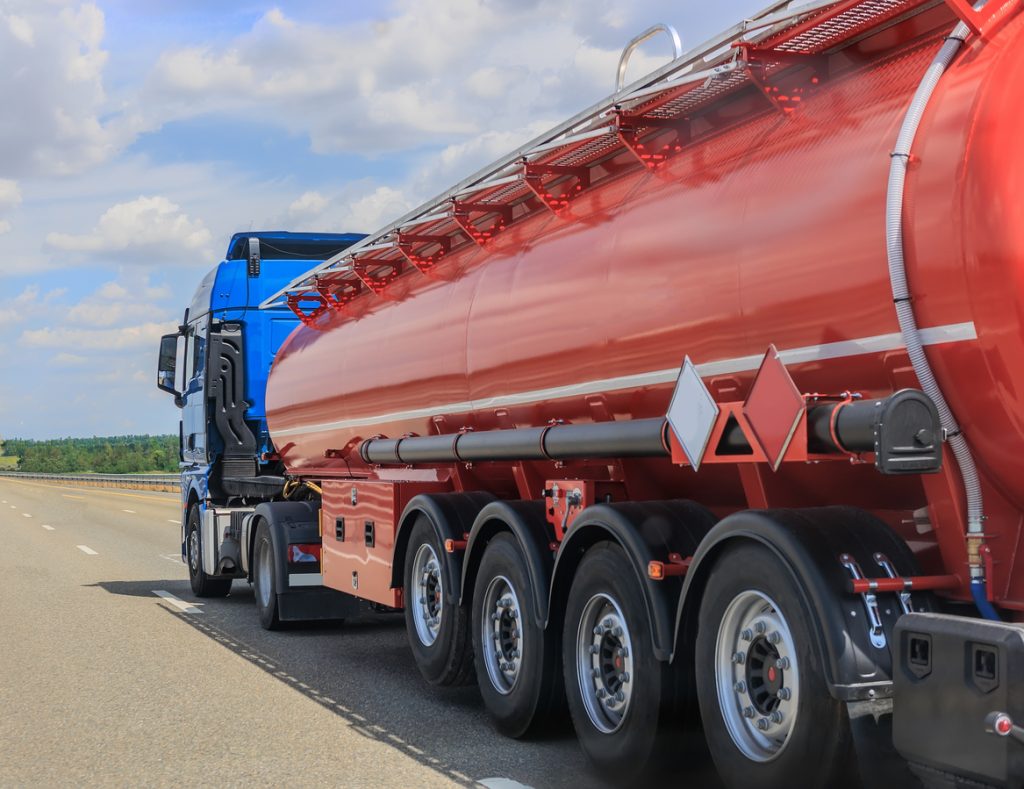
Fuel movement in Nigeria is not something any business should handle casually. Whether you are moving diesel to a construction site in Lekki, supplying petrol to stations outside Abuja, or coordinating fuel for generators at multiple business branches, poor route planning can quickly become expensive.
That is why fuel route monitoring Nigeria has become important for companies that depend on steady fuel supply. It is not just about knowing where a truck is. It is about reducing delays, preventing diversion, managing driver communication, and making sure fuel reaches the right destination safely.
Why Fuel Movement Needs Proper Route Monitoring
Fuel logistics comes with more risk than regular parcel delivery. A small delay can affect business operations, especially for hotels, factories, telecom sites, estates, farms, and event centres that depend on diesel supply.
Common issues include:
- Traffic delays around Lagos ports and depots
- Driver route changes without proper approval
- Bad road conditions on interstate corridors
- Delivery disputes over arrival time or quantity
- Security concerns on long-distance routes
- Poor communication between dispatch teams and customers
For example, a diesel truck leaving Apapa for Ikeja may face serious delay if the route is not planned around tanker queues, port congestion, or afternoon traffic. The same applies to deliveries from Lagos to Ibadan, Abuja to Kaduna, or Port Harcourt to Aba.
Route monitoring helps businesses stay ahead of these problems instead of reacting after things have gone wrong.
What Fuel Route Monitoring Actually Involves
Good fuel route monitoring is more than calling a driver every one hour.
A proper system usually involves:
- Confirming the pickup point and delivery address clearly
- Choosing the safest and most practical route
- Tracking movement from loading to arrival
- Monitoring delays and route changes
- Giving customers realistic delivery updates
- Confirming proof of delivery after arrival
In Nigerian logistics, this matters because two routes that look close on a map may behave very differently in real life. A road may be shorter but full of checkpoints, bad sections, or traffic bottlenecks. An experienced logistics team understands that the “fastest” route is not always the safest or most reliable route.
Real Situations Where Route Monitoring Helps
A hotel in Victoria Island waiting for diesel cannot afford vague updates like “the truck is coming.” They need to know whether the vehicle has left the depot, where it is currently located, and whether the delivery will arrive before evening power demand increases.
A construction company in Abuja may need fuel delivered to multiple sites. Without monitoring, one vehicle can waste hours moving in the wrong order. With proper route planning, deliveries can be arranged based on distance, urgency, and site access.
For businesses with branches in Lagos, Ogun, Oyo, Rivers, or the FCT, fuel route monitoring also helps reduce unnecessary transport costs. It supports better scheduling and prevents repeated emergency deliveries.
Common Mistakes Businesses Make
Many companies lose money because they treat fuel logistics like normal dispatch.
Some common mistakes include:
- Booking vehicles without confirming route experience
- Failing to agree on delivery timelines before pickup
- Not checking road conditions before interstate movement
- Depending only on driver phone calls
- Sending fuel during peak traffic without planning
- Ignoring security risks on unfamiliar routes
These mistakes can lead to late deliveries, higher transport charges, customer complaints, and operational downtime.
How Travo.ng Supports Fuel Logistics and Route Coordination
Travo.ng helps businesses manage transport and logistics needs with local understanding of Nigerian routes, delivery timing, and movement coordination.
For fuel-related logistics, Travo.ng can support customers with practical coordination such as delivery planning, route monitoring, transport arrangement, driver communication, and movement updates. This is useful for companies that need dependable delivery support without managing every detail internally.
Beyond fuel movement, Travo.ng also provides related services like cargo logistics, business delivery support, vehicle hire, relocation logistics, airport pickups, travel bookings, and hotel reservations where needed.
For example, a business bringing technical staff into Lagos for a generator installation can arrange hotel booking, airport pickup, vehicle hire, and logistics coordination through one service channel. That kind of support saves time and reduces confusion.
What to Check Before Booking Fuel Route Monitoring in Nigeria
Before arranging fuel movement, confirm:
- Pickup and delivery locations
- Fuel quantity and vehicle requirement
- Preferred delivery window
- Route restrictions or access issues
- Contact person at pickup and destination
- Whether the movement is local or interstate
- Any security or timing concerns
For Lagos deliveries, early morning movement may work better depending on the depot and destination. For interstate routes, planning should consider road condition, driver rest, checkpoints, and arrival time.
A Smarter Way to Handle Fuel Movement
Fuel route monitoring Nigeria is no longer only for large oil and gas companies. Hotels, estates, farms, construction firms, event centres, hospitals, and corporate offices also need reliable fuel logistics support.
When movement is properly planned and monitored, businesses avoid unnecessary delays, reduce risk, and get clearer delivery accountability.
Travo.ng gives customers a practical way to coordinate fuel logistics, transport support, and related business movement needs across Nigeria. If your company depends on fuel arriving on time, working with a locally experienced logistics partner can make the difference between smooth operations and costly disruption.
