


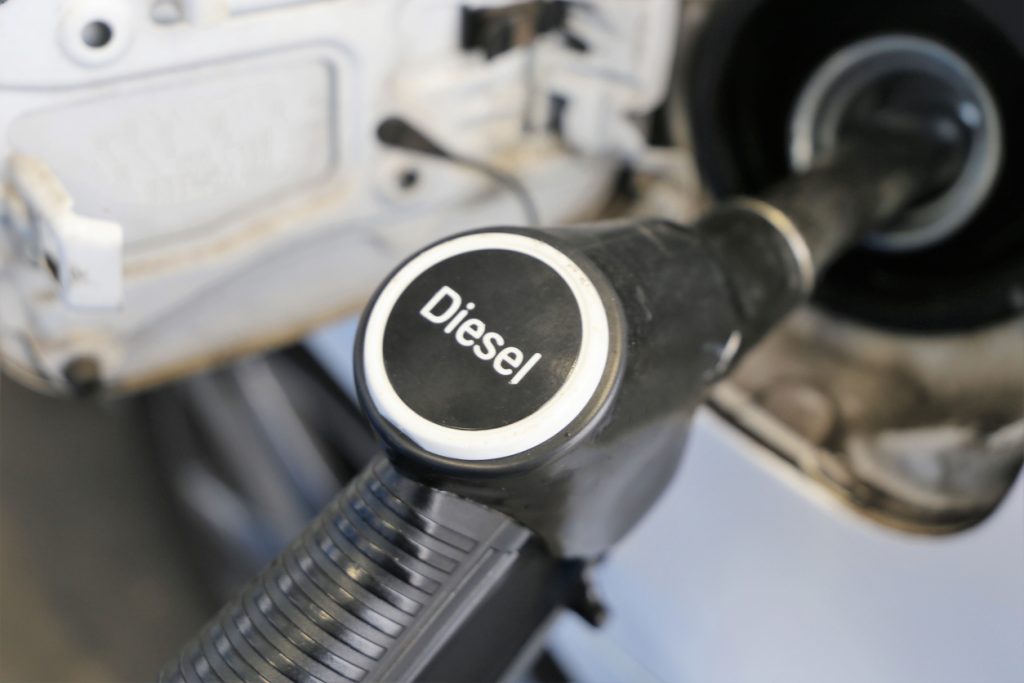
Diesel price in Nigeria today remains a key concern for businesses, transport operators, manufacturers, logistics companies, and households that rely on diesel-powered generators. As diesel prices fluctuate due to global oil market conditions, exchange rates, local refining capacity, and distribution costs, staying informed helps individuals and businesses make better purchasing decisions.
If you’re searching for diesel price Nigeria today, this guide explains the current market trends, factors affecting diesel prices, and how businesses can manage fuel costs more effectively.
What Is the Diesel Price in Nigeria Today?
Diesel, also known as Automotive Gas Oil (AGO), is widely used across Nigeria for:
- Commercial transportation
- Logistics and delivery fleets
- Manufacturing plants
- Construction equipment
- Agricultural machinery
- Backup power generators
- Marine operations
Diesel prices vary daily depending on several market factors, including crude oil prices, exchange rates, depot prices, transportation costs, and regional demand.
Because prices change frequently, businesses should confirm current pump or depot prices with trusted fuel suppliers before making large purchases.
Why Diesel Prices Change in Nigeria
Several factors influence diesel prices across Nigeria, including:
Global Crude Oil Prices
International crude oil prices directly affect the cost of refined petroleum products, including diesel.
Exchange Rate
Since Nigeria still imports some refined petroleum products, fluctuations in the naira exchange rate can impact diesel prices.
Local Refining Capacity
Improved local refining can increase supply and help stabilize diesel prices over time.
Transportation and Distribution
Moving diesel from depots to filling stations across Nigeria adds logistics costs that may differ by region.
Market Demand
Periods of increased industrial activity, farming seasons, or higher generator usage often increase diesel demand.
Diesel Prices Across Nigeria
Diesel prices are not always the same nationwide. Prices may differ between:
- Lagos
- Abuja
- Port Harcourt
- Kano
- Ibadan
- Benin City
- Enugu
- Kaduna
- Warri
- Onitsha
Differences usually result from transportation costs, depot pricing, local competition, and fuel availability.
Industries That Depend on Diesel
Diesel remains essential for many sectors of the Nigerian economy, including:
- Logistics and transportation
- Construction
- Manufacturing
- Agriculture
- Healthcare facilities
- Telecommunications
- Hospitality
- Commercial real estate
Reliable access to diesel helps businesses maintain operations during electricity shortages.
Tips for Managing Diesel Costs
Businesses can reduce operating expenses by:
- Monitoring diesel price trends regularly
- Purchasing from reputable fuel suppliers
- Planning fuel purchases when prices are relatively stable
- Maintaining generators and vehicles for better fuel efficiency
- Optimizing delivery routes to reduce fuel consumption
- Tracking fleet fuel usage
These measures can improve operational efficiency while helping to control fuel expenses.
How Diesel Prices Affect Logistics
Diesel prices have a significant impact on logistics operations because fuel represents one of the largest transportation expenses.
Higher diesel prices may increase:
- Delivery charges
- Freight rates
- Distribution costs
- Warehousing expenses
- Supply chain costs
Businesses that depend on regular deliveries often monitor fuel prices closely when planning logistics budgets.
How Travo.ng Supports Businesses
Travo.ng helps businesses and individuals move goods efficiently across Nigeria through dependable logistics services, including:
- Nationwide pickup and delivery
- Business logistics solutions
- Last-mile delivery
- Cargo transportation
- Fleet transportation support
- Commercial delivery services
As fuel prices fluctuate, efficient route planning and dependable logistics partners can help businesses improve operational efficiency and manage transportation costs.
Conclusion
Diesel price in Nigeria today continues to influence transportation, logistics, manufacturing, and business operations nationwide. While market prices fluctuate based on supply, demand, exchange rates, and refining capacity, staying informed helps businesses make smarter purchasing decisions and better manage operating costs.
Whether you’re managing a logistics fleet, running a manufacturing business, or operating backup generators, monitoring diesel price trends is an important part of controlling expenses and maintaining efficient operations.
