


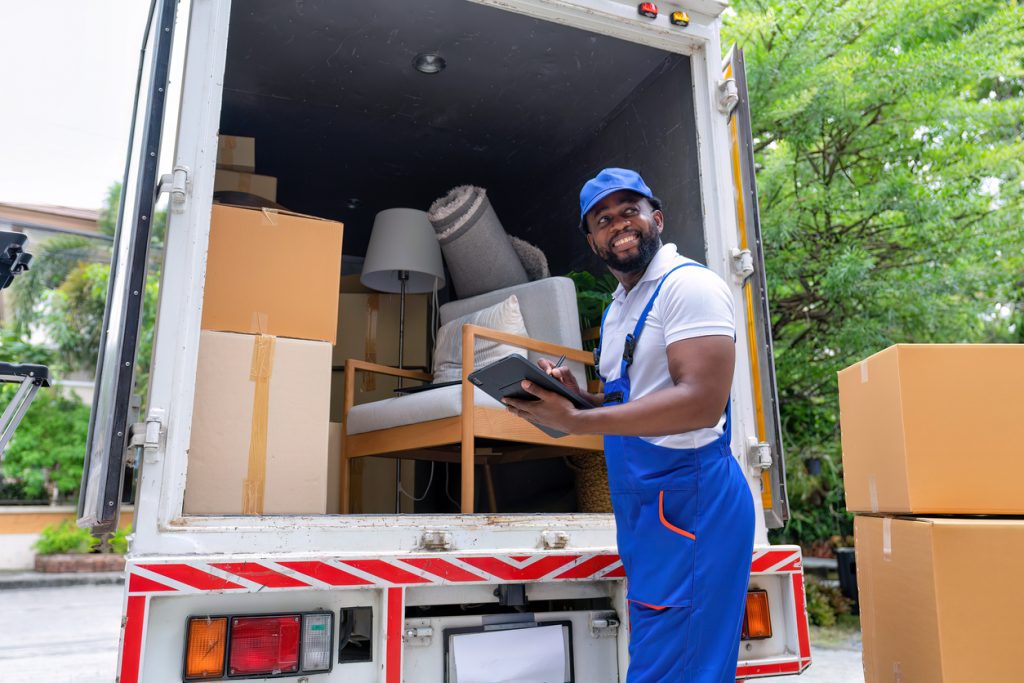
Freight forwarding in Nigeria refers to the process of organizing and managing the movement of goods across international borders on behalf of importers and exporters. A freight forwarder does not usually own ships or aircraft. Instead, they act as a logistics coordinator between shipping lines, airlines, customs, terminals, and transport providers to ensure cargo moves smoothly from origin to destination.
In Nigeria, freight forwarding is especially important because import processes involve multiple stages—customs clearance, port handling, documentation, inspections, trucking, and regulatory approvals.
What a freight forwarder actually does in Nigeria
A freight forwarder in Nigeria typically handles:
- Booking cargo space with shipping lines or airlines
- Preparing shipping and customs documentation
- Coordinating import and export clearance
- Working with Nigeria Customs Service and other agencies
- Arranging port pickup and inland transportation
- Tracking shipments from origin to delivery
In simple terms:
they don’t move your cargo directly—they organize everyone and everything that moves it.
Main types of freight forwarding services in Nigeria
1. Sea freight forwarding
This is the most common in Nigeria and involves container shipments through ports like:
- Apapa Port
- Tin Can Island Port
- Onne Port
- Lekki Deep Sea Port
Used for:
- Bulk imports
- Containers (FCL & LCL)
- Heavy machinery
- Commercial goods
2. Air freight forwarding
Handled through airports such as:
- Murtala Muhammed International Airport (Lagos)
- Nnamdi Azikiwe International Airport (Abuja)
Used for:
- Urgent shipments
- High-value goods
- Small-volume imports
- Time-sensitive deliveries
3. Road and inland freight forwarding
This covers movement within Nigeria and across West Africa:
- Lagos to Abuja cargo movement
- Port-to-warehouse distribution
- Cross-border trade (Benin, Ghana, Togo, Niger)
4. Customs brokerage (very important in Nigeria)
Most freight forwarders in Nigeria also handle customs clearance, including:
- Form M processing
- PAAR documentation
- HS code classification
- Duty payment coordination
- Cargo release procedures
This is often where delays happen if not properly managed.
Why freight forwarding is important in Nigeria
Freight forwarding is essential because Nigerian imports involve:
- Multiple government agencies
- Complex documentation requirements
- Port congestion (especially Lagos ports)
- FX-related import regulations
- Trucking and evacuation challenges
Without a freight forwarder, importers would have to deal with every stage themselves—which is difficult and time-consuming.
Common challenges in Nigerian freight forwarding
1. Port congestion
Apapa and Tin Can ports often experience:
- container backlog
- truck delays
- slow evacuation cycles
2. Customs delays
Delays can occur due to:
- documentation errors
- inspection requirements
- regulatory agency holds
3. High logistics costs
Costs can increase due to:
- demurrage charges
- storage fees
- trucking shortages
- currency fluctuations
4. Infrastructure limitations
Road congestion around port corridors remains a major challenge for inland movement.
How freight forwarders reduce delays
Experienced freight forwarders help by:
- preparing documents before cargo arrival
- using correct HS codes to avoid inspection issues
- coordinating truck booking early
- managing customs relationships efficiently
- tracking cargo in real time
- planning evacuation from port in advance
Where Travo.ng fits in freight forwarding operations
Freight forwarding doesn’t end at the port—it involves people and coordination
Even when cargo is properly managed, businesses still need movement support for:
- import managers traveling between airports and ports
- clearing agents coordinating inspections
- suppliers visiting Nigeria for delivery and setup
- logistics teams moving between warehouse and terminals
- urgent business travel tied to shipments
How Travo.ng supports logistics and freight operations
Travo.ng supports freight forwarding activities in Nigeria by handling the movement side of operations:
- Airport pickup and executive transport
- Port-to-warehouse transportation coordination
- Hotel booking for international logistics partners
- Corporate travel and mobility support
- Time-sensitive transport during clearance operations
While freight forwarders manage cargo flow, Travo.ng helps ensure that people and operations connected to that cargo move efficiently across Nigeria’s logistics network.
