


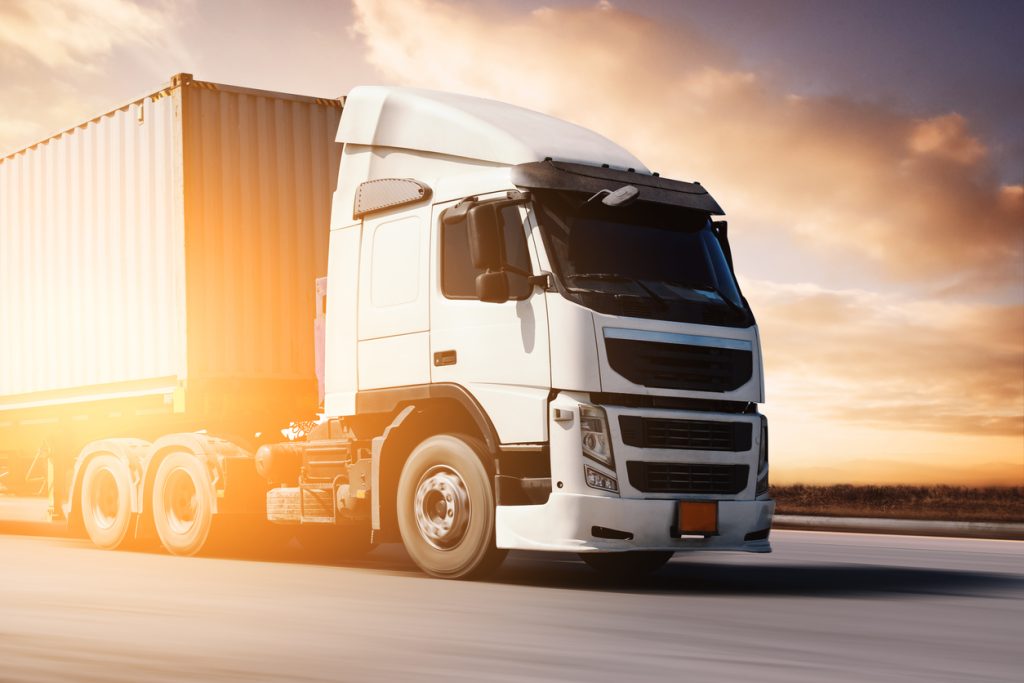
Transport fleet monitoring in Nigeria is a GPS and telematics-based system used by logistics companies, haulage operators, and transport businesses to track and manage their vehicles in real time. It provides live visibility of fleet movement, driver behavior, fuel usage, and route performance to improve efficiency and security.
In major logistics hubs like Lagos, transport fleet monitoring is essential for companies handling deliveries, interstate haulage, corporate transport, and commercial mobility services.
What transport fleet monitoring is
It is a system that allows businesses to:
- Track all vehicles in real time
- Monitor driver behavior and safety
- Optimize routes and reduce delays
- Manage fuel consumption and costs
- Prevent vehicle theft and misuse
- Improve dispatch and delivery operations
How transport fleet monitoring works
The system uses connected technologies:
- GPS trackers installed in vehicles collect live data
- Data is transmitted via mobile networks
- Cloud platforms process and store information
- Fleet managers access dashboards or mobile apps
- Alerts and reports are generated automatically
Key features of transport fleet monitoring systems
1. Real-Time GPS Tracking
- Live map view of all vehicles
- Instant location updates
2. Route Monitoring
- Tracks planned vs actual routes
- Detects route deviations
3. Driver Behavior Monitoring
- Overspeed alerts
- Harsh braking and acceleration detection
- Idle time tracking
4. Fuel Monitoring
- Tracks fuel usage and efficiency
- Detects fuel theft or irregular consumption
5. Geofencing Alerts
- Notifications when vehicles enter or exit zones
- Useful for depots, warehouses, and delivery areas
6. Fleet Performance Reports
- Analytics on trips, fuel, and driver performance
- Helps improve decision-making
Benefits of transport fleet monitoring
Improved Efficiency
Optimizes routes and reduces delivery delays.
Lower Operating Costs
Reduces fuel waste and maintenance expenses.
Enhanced Security
Prevents theft and improves recovery response time.
Better Customer Service
Ensures timely deliveries and accurate tracking.
Increased Accountability
Drivers are more careful knowing they are monitored.
Why it is important in Nigeria logistics
In cities like Lagos, transport businesses face:
- Heavy traffic congestion
- High fuel costs
- Vehicle theft risks
- Poor route discipline
- Difficulty managing large fleets
Fleet monitoring helps solve these challenges with real-time intelligence.
Common use cases
Transport fleet monitoring is used in:
- Logistics and courier companies
- Haulage and trucking businesses
- Corporate staff transport services
- E-commerce delivery fleets
- Construction transport operations
- Public transport and shuttle services
Problems solved by fleet monitoring
Without proper systems, companies face:
- Delayed deliveries
- High fuel consumption
- Poor driver accountability
- Lack of fleet visibility
- Inefficient dispatching
Common mistakes companies make
- Using basic GPS trackers without analytics
- Ignoring driver behavior data
- Not using route optimization tools
- Poor maintenance scheduling
- Failing to act on alerts
Integration with transport systems
Fleet monitoring platforms integrate with:
- Transport management systems (TMS)
- Fuel management systems
- Logistics and dispatch software
- Mobile tracking applications
- ERP and business analytics tools
- Dashcam and video telematics systems
How Travo.ng supports transport fleet monitoring
Modern transport operations require smart, connected systems.
Travo.ng supports businesses through:
- Real-time transport fleet tracking systems
- Driver behavior and fuel monitoring tools
- Route optimization and dispatch intelligence
- Geofencing and security alert systems
- Logistics analytics dashboards
- End-to-end fleet management solutions across Nigeria
Final thoughts
Transport fleet monitoring in Nigeria is essential for improving efficiency, reducing costs, and increasing security in logistics operations. It provides full visibility and control over all vehicles in real time.
In busy transport environments like Lagos, it is a core technology for modern fleet-driven businesses.
