


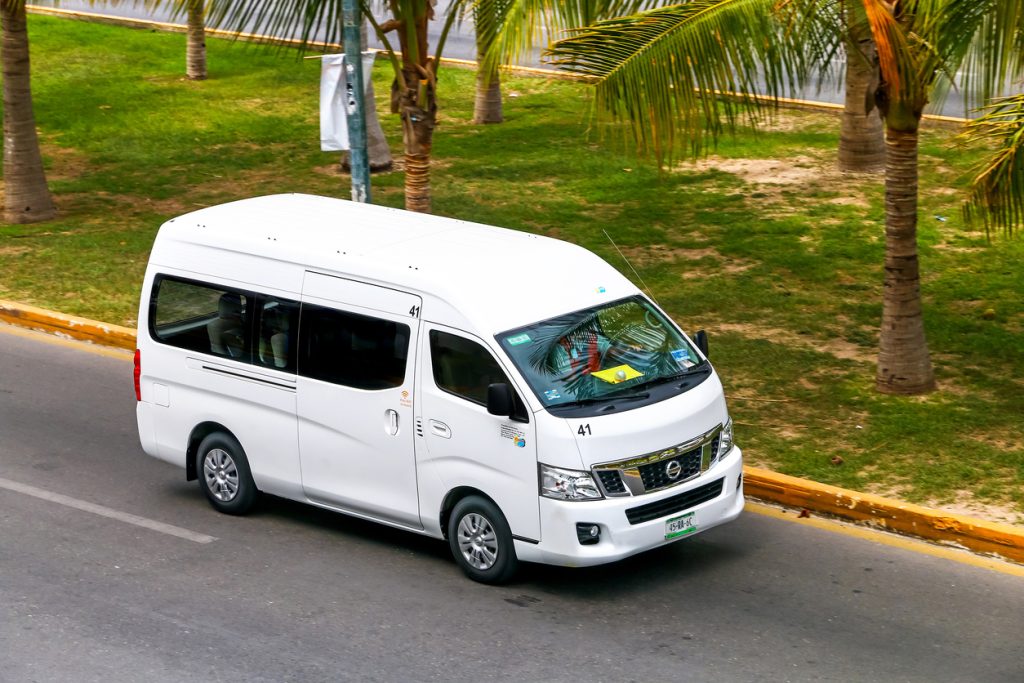
Tracking a vehicle location remotely means using GPS technology to see the exact position of a car, truck, or fleet vehicle from anywhere using a phone, tablet, or computer. It gives real-time visibility of movement, routes, speed, and stops without being physically near the vehicle.
In busy logistics environments like Lagos, remote tracking is widely used because vehicles are constantly moving across traffic-heavy routes and multiple delivery locations.
What remote vehicle tracking means
It allows you to:
- See live vehicle location on a map
- Monitor movement in real time
- Check route history and stops
- Track multiple vehicles at once
- Receive instant alerts and updates
- Manage fleets from anywhere
How remote vehicle tracking works
The system uses:
- GPS tracker installed in the vehicle
- Mobile network (SIM data) for transmission
- Cloud-based tracking platform
- Mobile app or web dashboard
- Real-time mapping and alerts
Once installed, the vehicle continuously sends its location to your dashboard.
Key features of remote vehicle tracking
1. Live Location Map
- Shows exact vehicle position in real time
- Updates movement continuously
2. Route History
- Displays where the vehicle has been
- Helps analyze driver behavior
3. Speed Monitoring
- Tracks driving speed
- Sends alerts for overspeeding
4. Geofencing Alerts
- Notifies when vehicles enter or leave specific zones
- Useful for warehouses and delivery points
5. Ignition and Movement Alerts
- Detects when a vehicle starts moving
- Helps prevent unauthorized use
6. Multi-Vehicle Tracking
- Monitor entire fleet from one screen
- Ideal for logistics businesses
Benefits of tracking vehicle location remotely
Full Visibility Anytime
You can see your vehicles wherever they are.
Better Security
Helps prevent theft and unauthorized movement.
Improved Efficiency
Optimizes routes and reduces delays.
Faster Decision Making
Managers can respond instantly to issues.
Reduced Costs
Less fuel waste and better fleet control.
Why it is important in Nigeria
In cities like Lagos, remote tracking is essential because:
- Traffic causes unpredictable delays
- Fuel costs are high
- Vehicle theft risk is significant
- Logistics operations are fast-paced
- Businesses manage multiple delivery points
Who uses remote vehicle tracking
- Logistics and courier companies
- Delivery startups and e-commerce businesses
- Haulage and trucking companies
- Corporate fleet operators
- Schools and transport services
- NGOs and field organizations
Problems solved by remote tracking
Without it, businesses face:
- No visibility of vehicles
- Delayed or missed deliveries
- Fuel misuse and inefficiency
- Poor driver accountability
- Slow response to emergencies
Common mistakes businesses make
- Using trackers without live tracking apps
- Ignoring alerts and notifications
- Poor system configuration
- Not training staff on dashboards
- Using outdated GPS devices
Integration with fleet systems
Remote tracking integrates with:
- Fleet management dashboards
- Transport Management Systems (TMS)
- Logistics dispatch software
- Fuel monitoring systems
- Mobile tracking applications
- Customer delivery portals
How Travo.ng supports remote vehicle tracking
Modern logistics requires reliable real-time visibility.
Travo.ng provides:
- Real-time remote vehicle tracking systems
- Mobile and web-based fleet dashboards
- Driver behavior and fuel monitoring tools
- Route optimization and dispatch solutions
- Geofencing and security alert systems
- End-to-end logistics tracking solutions across Nigeria
Final thoughts
Tracking vehicle location remotely gives businesses full control and visibility over their fleet from anywhere in the world. It improves security, efficiency, and decision-making.
In fast-moving cities like Lagos, it is a core requirement for modern logistics and transport operations.
