


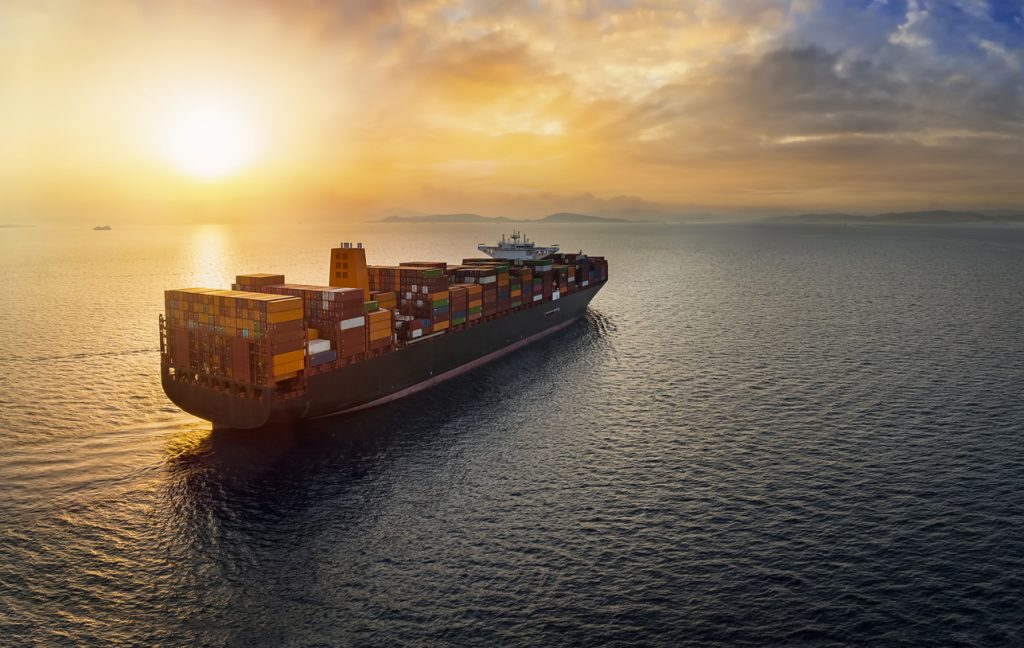
Ship management software is a digital system used to manage the operations, maintenance, crew, safety, and performance of ships and maritime vessels. It is essential for shipping companies, port operators, and maritime logistics businesses that operate cargo ships, tankers, container vessels, and offshore support vessels.
It helps ensure ships operate safely, comply with regulations, and run efficiently across global trade routes.
What Ship Management Software Does
It helps shipping companies:
- Track vessel location and movements
- Manage ship maintenance and repairs
- Handle crew scheduling and payroll
- Monitor fuel (bunker) consumption
- Ensure maritime safety compliance
- Manage cargo operations and documentation
- Optimize voyage planning and routes
Key Features
1. Vessel Tracking
- Real-time ship position tracking via GPS/AIS
- Voyage history and route monitoring
- ETA (estimated time of arrival) updates
2. Maintenance Management
- Planned maintenance schedules
- Repair tracking and dry-dock planning
- Equipment and engine service logs
3. Crew Management
- Crew assignment and rotation
- Certification and compliance tracking
- Payroll and contract management
4. Fuel (Bunker) Management
- Fuel consumption tracking
- Efficiency monitoring per voyage
- Cost optimization reports
5. Cargo Management
- Cargo loading and unloading coordination
- Container tracking
- Documentation handling (bills of lading, manifests)
6. Compliance and Safety
- Maritime regulation compliance (IMO standards)
- Safety inspection logs
- Incident reporting and audits
7. Voyage Planning
- Route optimization for fuel efficiency
- Weather-based navigation planning
- Port scheduling coordination
Benefits of Ship Management Software
1. Improved Operational Efficiency
Ensures ships run smoothly across long voyages.
2. Lower Operating Costs
Reduces fuel usage and maintenance expenses.
3. Better Safety Compliance
Helps avoid maritime violations and penalties.
4. Enhanced Cargo Visibility
Improves tracking of goods across global routes.
5. Efficient Crew Management
Simplifies staffing and scheduling operations.
Types of Ship Management Systems
1. Basic Tracking Systems
- Simple vessel location tracking
- Manual maintenance logs
- Basic reporting tools
2. Integrated Fleet Management Platforms
- Maintenance + crew + cargo management
- Real-time monitoring dashboards
- Voyage optimization tools
Examples:
- Veson Nautical
- ShipNet
- Danaos
- ABS Nautical Systems
3. Advanced Maritime ERP Systems
- Full shipping company management
- AI-driven route optimization
- Predictive maintenance analytics
- Global fleet coordination
Who Uses It
- Shipping companies
- Cargo and container operators
- Oil and gas maritime fleets
- Port and terminal operators
- Offshore drilling companies
- Freight forwarding companies
Why It Matters in Global Trade
Ship management software is critical because:
- Over 80% of global trade moves by sea
- Shipping routes are long and complex
- Fuel costs are extremely high
- Compliance rules are strict and international
- Cargo visibility is essential for supply chains
Challenges Without Ship Management Software
- Delayed voyages and poor scheduling
- High fuel consumption
- Poor maintenance leading to breakdowns
- Compliance risks and penalties
- Inefficient crew and cargo operations
Ship Management vs Fleet Management
| Ship Management Software | Fleet Management Software |
|---|---|
| Maritime vessels | Road vehicles |
| Global ocean routes | Land-based logistics |
| Port-to-port operations | Door-to-door delivery |
| Heavy compliance focus | Transport efficiency focus |
How It Improves Logistics Operations
- Ensures timely global cargo delivery
- Reduces shipping costs
- Improves route planning efficiency
- Enhances supply chain visibility
- Strengthens international trade reliability
How Travo.ng Fits Into Maritime Logistics Ecosystems
Ship management software handles vessel operations and ocean transport, while logistics platforms manage land-based cargo movement and delivery execution.
Travo.ng supports operations through:
- Port-to-inland cargo coordination
- Freight dispatch from ports to warehouses
- Trucking and last-mile delivery support
- Logistics planning for imported goods
- Supply chain execution after shipment arrival
- Integration of maritime cargo into ground transport systems
This ensures goods are not only shipped globally but also efficiently delivered after port arrival.
Conclusion
Ship management software is essential for modern maritime operations. It improves efficiency, reduces costs, and ensures safe, compliant, and well-coordinated global shipping operations.
