


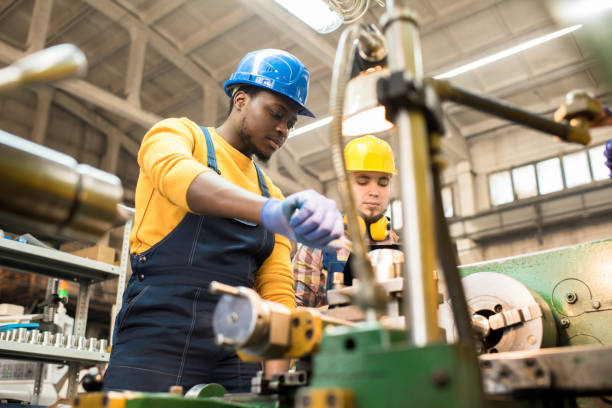
Learning how to repair and maintain vehicles can provide a strong foundation for a career in Nigeria’s automotive industry. Mechanic training in Nigeria can range from traditional workshop apprenticeships to structured technical programmes covering vehicle diagnostics, automotive electrical systems and modern vehicle technology.
For beginners, the most useful training is usually practical. Understanding how to inspect a vehicle, identify faults and carry out repairs is more valuable than simply memorising mechanical terms.
What Do You Learn During Mechanic Training?
A good automotive training programme can introduce you to several major vehicle systems, including:
- Engine servicing and repair
- Transmission systems
- Brakes and suspension
- Steering systems
- Cooling systems
- Fuel systems
- Battery and charging systems
- Automotive electrical systems
- Vehicle diagnostics
- Preventive maintenance
- Fault troubleshooting
As vehicles become more electronically controlled, diagnostic and electrical skills are becoming increasingly important for mechanics.
Practical Workshop Experience Matters
Mechanic training is most effective when learners get hands-on experience.
A trainee may begin by assisting with basic servicing before progressing to more complicated jobs such as brake repairs, suspension work, engine troubleshooting and diagnostic testing.
For example, a beginner may first learn how to safely use a jack, inspect engine fluids and change filters. With more experience, they can learn how to test sensors, interpret diagnostic fault codes and troubleshoot electrical problems.
Vehicle Diagnostics Should Be Part of Modern Training
Traditional mechanical knowledge remains important, but modern vehicles require technicians who understand electronic systems.
Training in vehicle diagnostics can include:
- Using OBD diagnostic scanners
- Reading and interpreting fault codes
- Testing sensors
- Using a multimeter
- Checking electrical circuits
- Understanding engine control systems
- Diagnosing starting and charging problems
- Troubleshooting electronic faults
These skills can help a mechanic move beyond basic servicing into more specialised technician roles.
How Long Does Mechanic Training Take?
There is no single training period for mechanics in Nigeria. The duration depends on the type of programme and the level of practical experience involved.
An informal workshop apprenticeship can take considerably longer because the trainee learns gradually while working with an experienced mechanic. Structured technical courses may be shorter and concentrate on particular areas such as diagnostics, automotive electrical systems or general vehicle maintenance.
The important thing is not simply completing a course but gaining enough practical experience to work safely and confidently.
Where Can You Get Mechanic Training in Nigeria?
Potential training routes include:
- Automotive workshops
- Technical and vocational training centres
- Automotive institutes
- Vehicle dealerships
- Fleet maintenance operations
- Private automotive training schools
- Apprenticeship programmes
Training opportunities are available in major automotive markets such as Lagos, Abuja, Port Harcourt, Ibadan, Kano and other Nigerian cities.
What Should Beginners Look For?
Before choosing a mechanic training programme, check whether it provides genuine practical exposure.
Look for training that includes:
- Hands-on workshop sessions
- Experienced instructors
- Modern diagnostic equipment
- Automotive electrical training
- Engine and transmission practice
- Safety procedures
- Fault diagnosis
- Preventive maintenance
- Practical assessments
A programme that allows students to work on actual vehicles can provide a stronger foundation than one based entirely on classroom theory.
Mechanic Training Can Lead to Different Careers
Automotive training does not have to end with becoming a general mechanic.
With additional experience, you can specialise as a:
- Vehicle diagnostic technician
- Automotive electrician
- Fleet mechanic
- Mobile mechanic
- Engine technician
- Transmission technician
- Hybrid vehicle technician
- Electric vehicle technician
- Vehicle maintenance technician
This is particularly useful as Nigerian vehicle fleets gradually include more electronically controlled, hybrid and electric vehicles.
What Should You Put on Your CV?
If you’re applying for a mechanic training or trainee opportunity, don’t exaggerate your experience. Clearly state what you already know and what you are hoping to learn.
Your CV can include:
- Educational qualifications
- Technical training
- Workshop experience
- Apprenticeship experience
- Basic mechanical skills
- Tools you can operate
- Diagnostic experience
- Automotive electrical knowledge
- Relevant certifications
- Areas of automotive interest
Even limited workshop experience can be useful if you explain the actual tasks you performed.
Applications and CV Submission
Candidates interested in mechanic training and trainee opportunities should prepare an updated CV showing their education, practical experience, technical skills and willingness to learn.
Applications and CVs should be sent to jobs@wigmoretrading.com.
Use Mechanic Training Application as the email subject and include your phone number, qualifications and relevant workshop experience in your CV.
Preparing for a Mechanic Training Interview
If you’re applying for a training position, you may be asked basic questions such as:
- Why do you want to become a mechanic?
- What vehicle systems do you understand?
- Have you previously worked in a workshop?
- What tools have you used?
- What would you check if a vehicle would not start?
- What do you know about vehicle diagnostics?
- Are you comfortable learning from experienced technicians?
You don’t need to pretend to know everything. Training opportunities are designed to develop your skills, so demonstrate curiosity, discipline, willingness to learn and respect for workshop safety.
Building a Career Through Mechanic Training
Mechanic training in Nigeria can be the first step towards a long-term automotive career. Combining hands-on mechanical experience with diagnostics, automotive electrical skills and modern vehicle technology can make a technician much more versatile.
For anyone starting out, the best training is one that gives you real workshop experience and teaches you how to diagnose problems properly rather than simply replace parts.
