


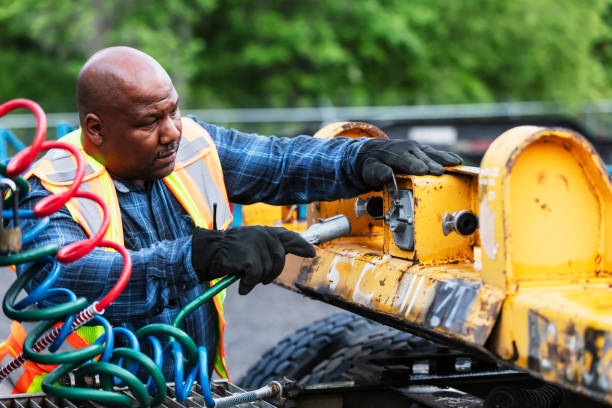
Mechanic skills training in Nigeria provides practical knowledge for people who want to work in automobile repair, diesel maintenance, fleet servicing, heavy equipment and other mechanical fields.
Modern mechanic training goes beyond engine repairs. The National Skills Qualification curriculum for Automobile Mechanics includes workshop safety, vehicle systems, tools and equipment, basic computer skills and periodic maintenance.
What Does Mechanic Skills Training Cover?
A good mechanic training programme should combine classroom instruction with extensive hands-on workshop practice.
Common areas include:
- Engine maintenance
- Engine repair
- Transmission systems
- Brake systems
- Steering and suspension
- Cooling systems
- Fuel systems
- Vehicle electrical systems
- Computerised diagnostics
- Preventive maintenance
- Workshop safety
- Fault diagnosis
- Automotive tools and equipment
Automobile Mechanic Training
Automobile mechanics learn how to inspect, service and repair passenger cars, SUVs and commercial vehicles.
Training can include:
- Engine servicing
- Engine overhaul
- Oil and filter changes
- Brake repairs
- Suspension repairs
- Steering repairs
- Transmission maintenance
- Cooling-system repairs
- Fuel-system maintenance
- Vehicle inspections
The Nigerian National Skills Qualification curriculum specifically includes vehicle layout and systems, automotive service tools, workshop organisation and periodic maintenance.
Automotive Diagnostic Skills
Modern vehicles contain sophisticated electronic systems, making diagnostic training increasingly important.
Technicians can learn:
- OBD diagnostics
- Fault-code interpretation
- Sensor testing
- ECU diagnostics
- Electrical fault finding
- Wiring diagnosis
- Starting-system testing
- Charging-system testing
- ABS diagnostics
- Electronic engine management
The updated Nigerian automotive training framework was developed partly to address gaps in mechanics’ understanding of modern electrical and electronic vehicle systems and systematic fault-finding.
Diesel Mechanic Training
Diesel training is useful for mechanics interested in trucks, buses, generators, construction machinery and industrial equipment.
Important areas include:
- Diesel engine servicing
- Fuel injection
- Injector systems
- Turbochargers
- Cooling systems
- Lubrication
- Engine diagnostics
- Electronic engine controls
- Engine overhaul
- Preventive maintenance
Diesel skills can create opportunities in transportation, logistics, construction, agriculture and industrial maintenance.
Heavy-Duty Mechanic Training
Mechanics who want to work on trucks and large commercial vehicles can develop additional heavy-duty skills.
Training may cover:
- Truck engines
- Heavy-duty transmissions
- Clutch systems
- Air brakes
- Suspension
- Steering
- Differential systems
- Electrical systems
- Fleet maintenance
- Breakdown repairs
This type of training can prepare technicians for truck workshops, transport companies and fleet-management businesses.
Heavy Equipment Mechanic Training
Mechanics can also specialise in construction and earthmoving machinery.
Training areas can include:
- Excavators
- Wheel loaders
- Bulldozers
- Graders
- Cranes
- Rollers
- Forklifts
- Dump trucks
- Mining equipment
Additional knowledge of hydraulics, diesel engines, electrical systems and equipment diagnostics is particularly useful.
Hydraulic Systems Training
Hydraulic knowledge is important for mechanics working on heavy machinery.
Training can cover:
- Hydraulic pumps
- Hydraulic motors
- Hydraulic cylinders
- Control valves
- Hydraulic hoses
- Pressure testing
- Hydraulic filters
- Leak detection
- Hydraulic fault diagnosis
Hydraulic skills can help technicians qualify for construction, mining, quarrying and industrial maintenance positions.
Automotive Electrical Training
Automotive electrical skills can significantly improve a mechanic’s capabilities.
Technicians can learn:
- Battery systems
- Alternators
- Starters
- Vehicle wiring
- Sensors
- Relays
- Fuses
- Lighting systems
- Charging systems
- Electronic control units
- Electrical diagnostics
Automobile Electrical Works is also recognised as a technical trade within Nigeria’s technical examination system.
Where Can You Receive Mechanic Skills Training?
Training opportunities can be found through:
- Technical colleges
- Accredited vocational centres
- Skills training centres
- Apprenticeships
- Automotive training institutes
- Industry training programmes
- Manufacturer training programmes
- Government TVET programmes
The National Board for Technical Education oversees vocational and skills-development structures, including apprenticeship, National Skills Qualifications and technical trades.
Government TVET Mechanic Training
The Federal Ministry of Education’s TVET Initiative currently includes Automobile Mechanic among its training areas.
The initiative states that selected trainees can receive tuition-free training, monthly stipends, hands-on instruction and recognised certification, subject to the programme’s eligibility and selection arrangements.
The programme also lists automobile CNG conversion and maintenance, motorcycle and tricycle repair, auto-body works and mechanised-agriculture mechanics among its available skill areas.
Apprenticeship Mechanic Training
Apprenticeship remains an important way to develop practical mechanical skills in Nigeria.
An apprentice can learn directly in a working workshop under an experienced mechanic.
Training can involve:
- Identifying vehicle faults
- Using workshop tools
- Servicing vehicles
- Removing and installing components
- Engine repairs
- Electrical troubleshooting
- Brake repairs
- Transmission work
- Preventive maintenance
- Workshop safety
The strongest approach is usually to combine apprenticeship with structured technical training and recognised certification.
Mechanic Certification After Training
After developing practical skills, mechanics can pursue formal qualifications such as:
- National Skills Qualification
- NABTEB National Technical Certificate
- Advanced National Technical Certificate
- Modular Trade Certificate
- Other recognised technical qualifications
NABTEB’s examination system includes National Technical Certificates, Advanced National Technical Certificates and Modular Trade Certificates.
The National Skills Qualification framework is designed to recognise skills and competencies regardless of whether they were acquired through classroom learning, workplace training or less formal routes.
Free and Industry-Based Mechanic Training
Some organisations also run practical automotive training programmes.
For example, Simba Training School says it provides vocational training for mechanics, electricians, technicians and engineers and has conducted automotive mechanic training programmes over the years.
Industry-linked programmes can be particularly useful because they combine technical instruction with practical workshop exposure.
Skills Employers Look For
A well-trained mechanic should ideally have:
- Strong mechanical knowledge
- Engine repair skills
- Diagnostic ability
- Electrical troubleshooting
- Diesel knowledge
- Transmission knowledge
- Brake-system knowledge
- Suspension knowledge
- Preventive-maintenance skills
- Computerised diagnostic skills
- Hydraulic knowledge
- Workshop safety awareness
- Problem-solving ability
Mechanic Skills Training for Beginners
Someone starting from scratch can follow this pathway:
Basic mechanical training → Workshop apprenticeship → Automotive diagnostics → Electrical training → Certification → Specialist training → Professional employment
Beginners should prioritise practical training rather than relying entirely on classroom theory.
Mechanic Skills Training for Experienced Mechanics
Experienced mechanics can focus on upgrading their existing skills.
Useful areas include:
- Computerised diagnostics
- Automotive electronics
- Diesel diagnostics
- Automatic transmissions
- Hybrid vehicle systems
- Electric vehicle systems
- Hydraulic systems
- Heavy equipment
- Fleet maintenance
- Advanced engine management
Continuous training is increasingly important as vehicle technology changes.
Mechanic Training in Lagos
Lagos offers a large market for automotive and mechanical skills because of its transportation, logistics, commercial vehicle and industrial sectors.
Training and practical experience can be sought through:
- Automobile workshops
- Truck workshops
- Fleet operators
- Transport companies
- Logistics businesses
- Car dealerships
- Construction companies
- Equipment workshops
- Industrial maintenance businesses
The Nigerian automotive industry skills network includes organisations and training stakeholders in Lagos such as Toyota Nigeria, Coscharis Group, Auto Medics, ITF and other industry bodies.
Mechanic Training in Other Nigerian Cities
Mechanic training opportunities are not limited to Lagos.
Depending on the programme, opportunities can be found in cities such as:
- Abuja
- Ibadan
- Benin City
- Kano
- Kaduna
- Port Harcourt
- Enugu
- Onitsha
- Aba
- Nnewi
- Ilorin
The Federal TVET Initiative reports training centres across Nigeria’s six geopolitical zones, including federal and state technical colleges and registered private vocational centres.
Jobs After Mechanic Skills Training
After gaining sufficient training and experience, candidates can apply for:
- Automobile Mechanic
- Automotive Technician
- Diesel Mechanic
- Diagnostic Technician
- Fleet Mechanic
- Truck Mechanic
- Heavy-Duty Mechanic
- Heavy Equipment Technician
- Hydraulic Technician
- Workshop Technician
- Field Service Technician
- Vehicle Maintenance Technician
- Plant Mechanic
- Service Technician
How to Build a Strong Mechanic Career
To become more competitive:
- Get structured mechanical training.
- Gain extensive hands-on workshop experience.
- Learn computerised diagnostics.
- Develop automotive electrical skills.
- Learn diesel-engine systems.
- Add hydraulic skills if interested in heavy equipment.
- Obtain a recognised technical qualification.
- Specialise in an area with strong demand.
- Build a professional CV.
- Continue learning new vehicle technologies.
What Travo.ng Can Do
Travo.ng provides transportation, mobility and logistics solutions for individuals and businesses. Reliable vehicles and properly maintained equipment are important for efficient transportation and logistics operations.
Skilled mechanics help reduce breakdowns, improve vehicle reliability and support efficient business operations.
Why Choose Travo.ng?
Travo.ng focuses on practical transportation and logistics solutions designed around the needs of individuals and businesses.
Reliable transportation operations depend on properly maintained vehicles and competent technical personnel. Travo.ng understands the importance of dependable mobility and operational reliability.
Career Progression
Mechanic skills training can lead to a career path such as:
Trainee → Apprentice → Junior Mechanic → Certified Mechanic → Senior Technician → Specialist Technician → Lead Technician → Workshop Supervisor → Workshop Manager → Fleet Maintenance Manager
Specialising in diagnostics, diesel engines, heavy equipment, hydraulics, automotive electronics or fleet maintenance can create additional career opportunities.
Final Thoughts
Mechanic skills training in Nigeria offers a practical route into a wide range of technical careers. The best training combines hands-on workshop experience, structured technical education, recognised certification and continuous skills development.
For mechanics looking to remain competitive, learning diagnostics, automotive electronics, diesel systems and modern vehicle technology can be especially valuable.
