


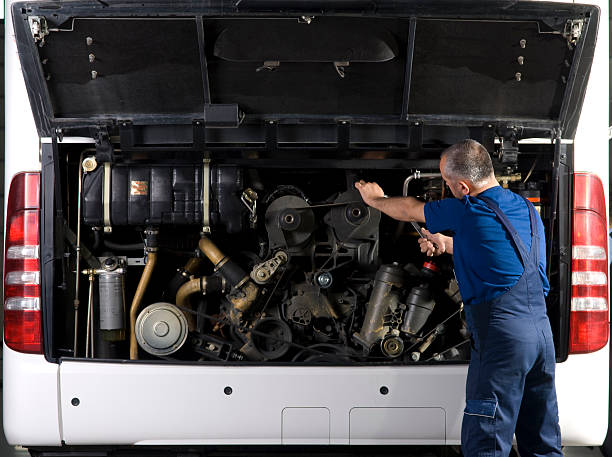
Mechanics are essential to Nigeria’s transportation, logistics, construction, manufacturing and industrial sectors. Companies with vehicles, machinery and equipment regularly need skilled professionals who can carry out repairs, servicing, inspections and preventive maintenance.
Mechanic recruitment in Nigeria can cover opportunities for apprentices, junior mechanics, automobile technicians, diesel mechanics, heavy-duty mechanics, fleet technicians and experienced workshop professionals.
Types of Mechanics Recruited in Nigeria
Employers may recruit mechanics for different areas, including:
- Automobile mechanics
- Diesel mechanics
- Truck mechanics
- Bus mechanics
- Fleet mechanics
- Heavy-duty mechanics
- Generator mechanics
- Motorcycle mechanics
- Plant mechanics
- Equipment mechanics
- Industrial mechanics
- Mechanical maintenance technicians
The required skills depend on the vehicles, machinery and equipment operated by the company.
What Does a Mechanic Do?
Mechanics are responsible for keeping vehicles and mechanical equipment in good working condition.
Typical duties include:
- Diagnosing mechanical faults
- Servicing engines
- Repairing transmissions
- Maintaining braking systems
- Repairing suspension systems
- Troubleshooting electrical faults
- Replacing worn components
- Performing preventive maintenance
- Inspecting vehicles and equipment
- Responding to breakdowns
- Testing vehicles after repairs
- Maintaining maintenance records
Skills Employers Look For
During mechanic recruitment, employers may look for candidates with practical skills such as:
- Engine diagnostics
- Petrol and diesel engine repair
- Transmission repairs
- Brake maintenance
- Suspension repairs
- Electrical troubleshooting
- Preventive maintenance
- Vehicle inspection
- Diagnostic scanner operation
- Hydraulic-system maintenance
- Pneumatic-system knowledge
- Fleet maintenance
Mechanics who can accurately diagnose faults and complete repairs efficiently can have an advantage during recruitment.
Entry-Level Mechanic Recruitment
People starting their careers can apply for:
- Mechanic apprentice
- Mechanic trainee
- Junior mechanic
- Assistant mechanic
- Workshop assistant
- Automotive trainee
- Entry-level technician
Apprenticeships and vocational training can provide valuable hands-on experience and help candidates progress into professional mechanic roles.
Experienced Mechanic Recruitment
Experienced professionals can target positions such as:
- Senior mechanic
- Master technician
- Lead mechanic
- Fleet mechanic
- Diesel technician
- Heavy-duty mechanic
- Workshop supervisor
- Maintenance technician
- Equipment technician
Experience with commercial vehicles, trucks, buses and industrial equipment can increase your opportunities.
Qualifications for Mechanic Recruitment
Requirements vary depending on the employer and position.
Common qualifications include:
- Technical college training
- Motor Vehicle Mechanics
- Automotive Technology
- Mechanical Engineering
- OND Mechanical Engineering
- HND Mechanical Engineering
- Trade Test certification
- NABTEB
- Vocational mechanic training
- Practical apprenticeship experience
For practical positions, employers often place significant value on hands-on experience.
What Should You Put on Your CV?
Your CV should clearly demonstrate your technical abilities and practical experience.
Include:
- Years of experience
- Vehicle or equipment types handled
- Engine repair experience
- Transmission repairs
- Brake and suspension maintenance
- Electrical troubleshooting
- Diagnostic tools used
- Preventive maintenance
- Fleet maintenance
- Technical qualifications
- Apprenticeship experience
For example:
“Four years’ experience in vehicle maintenance and repair, specialising in engine diagnostics, transmission repairs, brake and suspension systems, electrical troubleshooting and preventive maintenance.”
Related Job Titles to Search
Don’t search only for “mechanic recruitment Nigeria.”
Also search for:
- Mechanic jobs Nigeria
- Mechanic vacancies Nigeria
- Mechanic hiring Nigeria
- Automobile mechanic jobs Nigeria
- Automotive technician jobs Nigeria
- Diesel mechanic jobs Nigeria
- Truck mechanic jobs Nigeria
- Fleet mechanic jobs Nigeria
- Heavy-duty mechanic jobs Nigeria
- Vehicle technician jobs Nigeria
- Mechanical technician jobs Nigeria
- Workshop technician jobs Nigeria
- Equipment mechanic jobs Nigeria
- Maintenance mechanic jobs Nigeria
Searching related job titles can help you find more relevant opportunities.
What Travo.ng Can Do
Travo.ng provides practical transportation, mobility and logistics solutions for individuals and businesses. These services depend on reliable vehicles and properly maintained transportation equipment.
Businesses operating fleets can benefit from skilled mechanics who help reduce vehicle downtime, maintain roadworthiness and keep transportation operations running efficiently.
Why Choose Travo.ng?
Travo.ng focuses on practical transportation and logistics solutions designed around the needs of individuals and businesses.
Reliable transportation depends on properly maintained vehicles and organised mobility services. Travo.ng understands the importance of dependable transportation for businesses and everyday users.
How to Apply for Mechanic Recruitment Opportunities
Candidates interested in mechanic opportunities should prepare an updated CV that clearly shows their qualifications, practical experience and technical skills.
Applications and CVs should be sent to jobs@wigmoretrading.com.
Use Mechanic Application – Nigeria as the email subject and include your phone number, years of experience, qualifications, vehicle or equipment types handled and areas of specialisation.
How to Stand Out During Recruitment
Employers want mechanics who can identify problems accurately and complete repairs efficiently.
Highlight your ability to:
- Diagnose mechanical faults
- Perform preventive maintenance
- Repair engines
- Service transmissions
- Troubleshoot electrical systems
- Maintain brakes and suspension
- Inspect vehicles
- Maintain fleets
- Use diagnostic equipment
- Keep accurate maintenance records
Reliability, attention to detail and good communication can also help candidates stand out.
Safety Is Important
Mechanics work around fuel, electrical systems, moving machinery, hydraulic pressure and heavy components.
Important safety practices include:
- Using appropriate PPE
- Proper vehicle and equipment isolation
- Safe lifting and jacking
- Battery safety
- Fuel-handling procedures
- Hydraulic-pressure safety
- Correct use of tools
- Safe equipment testing
- Proper workshop housekeeping
Vehicles and equipment should be properly inspected after repairs before being returned to service.
Preparing for the Interview
Candidates may be asked practical questions such as:
- How would you diagnose a vehicle that will not start?
- What can cause an engine to overheat?
- How would you diagnose a transmission problem?
- What causes poor braking performance?
- How would you troubleshoot an electrical fault?
- What is preventive maintenance?
- How would you respond to a vehicle breakdown?
- What checks should be completed before releasing a vehicle?
- How would you identify the cause of repeated mechanical failures?
- What safety procedures should you follow during repairs?
Use practical examples from your previous workshop, apprenticeship or maintenance experience.
Where Can Mechanics Work in Nigeria?
Potential employers include:
- Transport companies
- Logistics companies
- Haulage companies
- Construction companies
- Manufacturing companies
- Agricultural businesses
- Oil and gas companies
- Mining companies
- Fleet operators
- Automotive workshops
- Vehicle dealerships
- Equipment-service companies
Career Progression
A mechanic can progress through:
Apprentice → Junior Mechanic → Mechanic → Senior Mechanic → Lead Technician → Workshop Supervisor → Fleet Maintenance Manager
Mechanics can also specialise in diesel engines, heavy-duty vehicles, vehicle diagnostics, fleet maintenance, hydraulics, industrial machinery or automotive electronics.
With practical experience, technical training and continuous learning, mechanics can build long-term careers across Nigeria’s automotive, transportation, logistics and industrial sectors.
