


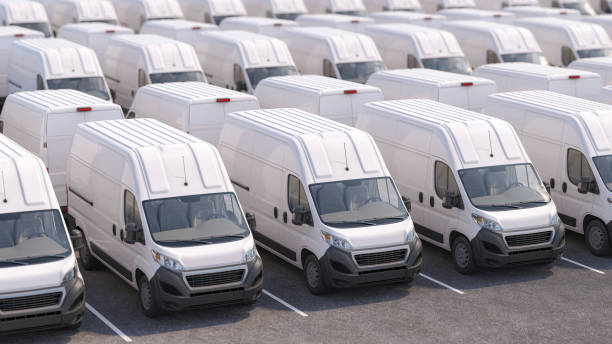
Government fleet management software is a digital system used by public institutions to manage, monitor, and control government-owned vehicles and transport assets. These fleets are used for administration, security, emergency services, public works, health services, and official mobility.
The software helps governments improve transparency, reduce costs, prevent misuse, and ensure efficient use of public assets.
What Government Fleet Management Software Does
It helps government agencies:
- Track all government vehicles in real time
- Control fuel usage and prevent fraud
- Schedule maintenance and servicing
- Assign vehicles to departments or officials
- Monitor driver behavior and accountability
- Manage emergency response fleets
- Generate audit and compliance reports
Key Features
1. Real-Time GPS Tracking
- Live location of all government vehicles
- Route history and movement logs
- Alerts for unauthorized use
2. Fuel Management and Control
- Fuel consumption monitoring
- Detection of fuel theft or misuse
- Fuel card integration (in advanced systems)
3. Maintenance Scheduling
- Preventive servicing reminders
- Breakdown tracking and repair logs
- Asset lifecycle management
4. Driver Management
- Driver assignment records
- Behavior monitoring (speeding, idling, harsh driving)
- Compliance and disciplinary tracking
5. Trip and Dispatch Management
- Official trip authorization
- Vehicle booking system for departments
- Emergency vehicle prioritization
6. Reporting and Transparency
- Audit-ready reports
- Cost tracking per department
- Usage transparency dashboards
7. Security and Compliance
- Unauthorized usage alerts
- Geofencing for restricted movement
- Policy compliance tracking
Benefits of Government Fleet Management Software
1. Reduced Corruption and Misuse
Prevents unauthorized use of government vehicles and fuel fraud.
2. Lower Operational Costs
Optimizes fuel usage and maintenance spending.
3. Improved Accountability
Tracks who uses each vehicle and when.
4. Better Public Service Delivery
Ensures vehicles are available for emergency and essential services.
5. Data-Driven Decision Making
Helps governments plan fleet expansion and budgeting.
Types of Government Fleet Systems
1. Basic Tracking Systems
- GPS monitoring only
- Manual reporting
- Simple dashboards
2. Integrated Government Fleet Platforms
- Fuel + maintenance + tracking integration
- Department-level access control
- Automated reporting
Examples:
- Geotab Government Solutions
- Samsara Public Sector
- Verizon Connect Government Fleet
3. Smart Government Mobility Systems
- AI-powered analytics
- Predictive maintenance
- Smart allocation of vehicles
- City-wide transport integration
Who Uses It
- Ministries and government departments
- Police and security agencies
- Fire and emergency services
- Public health transportation systems
- Municipal transport authorities
- Public works and infrastructure agencies
Why It Matters for Governments (Especially in Nigeria and Similar Markets)
It helps solve:
- Fuel subsidy fraud and leakage
- Poor vehicle accountability
- Inefficient use of public assets
- Lack of real-time visibility
- High maintenance and repair costs
- Weak coordination across departments
Challenges Without Fleet Management
- Misuse of government vehicles
- Untracked fuel consumption
- Poor maintenance leading to breakdowns
- Lack of accountability in transport operations
- Inefficient emergency response systems
Government Fleet vs Private Fleet Management
| Government Fleet Management | Private Fleet Management |
|---|---|
| Public accountability focus | Profit and efficiency focus |
| Strict compliance rules | Flexible operations |
| Multi-department usage | Single organization usage |
| Audit-heavy reporting | Business analytics focus |
How It Improves Public Sector Operations
- Ensures transparent vehicle usage
- Improves emergency response efficiency
- Reduces corruption in fleet operations
- Optimizes taxpayer-funded resources
- Enhances service delivery
How Travo.ng Fits Into Government Mobility Ecosystems
Government fleet software focuses on tracking, compliance, and internal control, while logistics platforms handle external transport execution and mobility coordination.
Travo.ng supports operations through:
- Government transport coordination support
- Emergency and bulk movement logistics
- Fleet dispatch assistance for public services
- Inter-agency mobility and transport planning
- Logistics execution for public sector projects
- Support for large-scale transport operations across regions
This ensures government mobility systems are not only monitored but also effectively executed in real-world transport operations.
Conclusion
Government fleet management software is essential for transparency, efficiency, and accountability in public transportation systems. It reduces costs, prevents misuse, and ensures better delivery of public services.
