


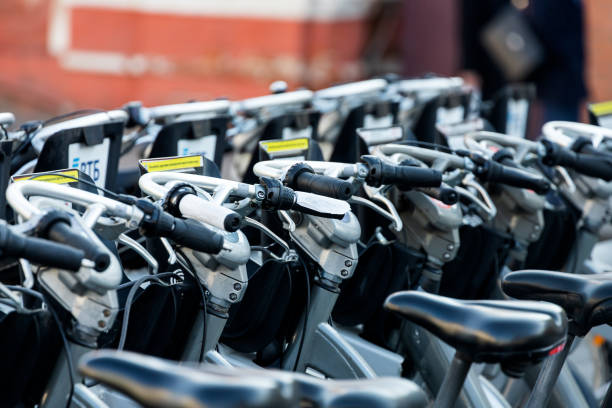
Fleet ownership without operational responsibilities refers to an investment model where individuals or institutions own transportation assets such as motorcycles, vans, trucks, or other logistics vehicles, while a professional management company handles all day-to-day operations, maintenance, deployment, and revenue generation.
This model is designed for investors who want exposure to logistics income without actively managing drivers, riders, dispatch, or maintenance.
What fleet ownership without operational responsibilities means
This system separates ownership from operations completely.
It typically includes:
- Investor purchases or funds fleet assets
- A third-party operator manages daily logistics activities
- Vehicles are deployed into delivery or freight networks
- Maintenance, fuel, and repairs are handled externally
- Income is generated through logistics operations
- Investors receive passive income or structured returns
In simple terms, you own the fleet, but you don’t run it.
Why this model is important
Operating a fleet directly requires logistics expertise, time, and infrastructure.
Without outsourcing operations, investors may face:
- High operational complexity
- Poor asset utilization
- Inefficient dispatch systems
- Maintenance challenges
- Unpredictable income
- Management overload
This model removes operational burden while keeping ownership benefits.
Core components of passive fleet ownership models
1. Asset acquisition and structuring
Ensures proper investment setup.
This includes:
- Selecting durable and revenue-generating vehicles
- Structuring purchase or financing agreements
- Insurance and regulatory compliance
- Initial inspection and onboarding
- Ownership documentation and asset tracking
2. Professional fleet operations
All daily logistics activities are handled externally.
This includes:
- Dispatch and delivery coordination
- Driver or rider management
- Route optimization and scheduling
- Order allocation systems
- Peak demand handling
3. Maintenance and asset protection
Ensures asset longevity and reliability.
This includes:
- Preventive maintenance scheduling
- Repair coordination with workshops
- Predictive diagnostics
- Spare parts management
- Breakdown response systems
4. Revenue generation and income distribution
Ensures investors earn returns.
This includes:
- Revenue collection from logistics operations
- Profit-sharing arrangements
- Fixed return structures (in some models)
- Transparent payout systems
- Financial reconciliation and reporting
5. Real-time tracking and transparency
Provides visibility for investors.
This includes:
- GPS tracking of fleet assets
- Live operational dashboards
- Utilization reporting
- Performance monitoring
- Financial transparency tools
6. Cost and efficiency management
Improves profitability of the fleet.
This includes:
- Fuel monitoring and optimization
- Cost-per-trip tracking
- Driver behavior analysis
- Maintenance cost control
- Operational efficiency improvements
Key performance indicators (KPIs)
Fleet ownership without operational responsibility is measured using:
- Return on investment (ROI)
- Asset utilization rate
- Revenue per asset
- Cost per delivery or trip
- Maintenance cost ratio
- Downtime rate
- Net profit per asset
- Payback period
Benefits of passive fleet ownership
True passive income
Investors earn without managing daily operations.
Professional management
Experts handle logistics, drivers, and maintenance.
Scalable investment model
Easy to expand fleet size over time.
Reduced operational risk
Management handles operational complexity.
Transparent reporting
Clear visibility into performance and earnings.
Challenges in this model
Despite benefits, challenges include:
- Dependence on management company performance
- Asset depreciation over time
- Fuel and maintenance cost fluctuations
- Market demand variability
- Limited direct operational control
Risks of unmanaged or poorly structured systems
Without strong management frameworks, investors may experience:
- Low or inconsistent returns
- Poor asset utilization
- High maintenance costs
- Lack of transparency
- Weak ROI or financial losses
Technology used in passive fleet ownership systems
Modern systems rely on:
- GPS tracking and telematics
- Fleet management software
- Mobile driver applications
- Fuel monitoring systems
- Route optimization tools
- Predictive maintenance systems
- Financial analytics dashboards
These tools ensure efficiency, accountability, and investor confidence.
Where logistics coordination fits into this model
Passive fleet ownership operates within broader logistics ecosystems such as:
- E-commerce delivery networks
- Courier and express logistics
- Freight and cargo transport systems
- Urban last-mile delivery
- Supply chain logistics operations
Efficient coordination ensures high asset utilization and profitability.
How Travo.ng supports logistics coordination
While passive fleet ownership focuses on investor returns, logistics coordination ensures smooth movement of goods across transport systems.
Travo.ng supports logistics operations through:
- Cargo consolidation and freight coordination
- Intercity and interstate delivery services
- Port-to-destination logistics support
- Supply chain coordination across Nigeria
- End-to-end logistics execution for cargo movement
This improves fleet utilization and strengthens overall investment performance.
Final thoughts
Fleet ownership without operational responsibilities provides a structured way to earn from logistics assets without being involved in daily operations. By combining professional management, technology, and asset deployment, investors can achieve steady returns while minimizing operational stress.
In modern logistics, success depends not just on owning assets, but on how effectively they are managed by experienced operators.
