


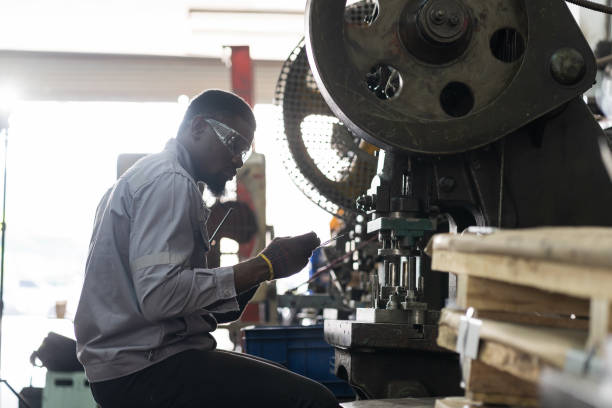
An electronic diagnostics mechanic combines traditional automotive repair knowledge with modern vehicle electronics. Instead of relying only on physical inspection, the technician uses diagnostic scanners, electrical testing equipment and vehicle computer systems to identify faults.
As more vehicles on Nigerian roads use electronic control units, sensors and computerised systems, mechanics with strong diagnostic skills can be valuable to workshops, dealerships, fleet operators and transport businesses.
What Does an Electronic Diagnostics Mechanic Do?
The job involves finding the actual cause of a vehicle problem and confirming the fault before repairs are carried out.
Common responsibilities include:
- Scanning vehicles for diagnostic trouble codes
- Diagnosing engine and transmission faults
- Testing sensors and actuators
- Troubleshooting wiring and electrical circuits
- Checking batteries, alternators and starting systems
- Diagnosing ECU-related problems
- Using multimeters and professional scan tools
- Carrying out pre-repair and post-repair scans
- Performing road tests when necessary
- Documenting faults and recommended repairs
A fault code is not always proof that the component itself has failed. A good diagnostic mechanic investigates the complete system before recommending a replacement.
Skills Needed for Electronic Vehicle Diagnostics
Employers looking for electronic diagnostics mechanics may expect candidates to understand both mechanical and electrical systems.
Useful skills include:
- OBD diagnostic scanning
- Automotive electrical troubleshooting
- Engine management systems
- Sensor testing
- ECU diagnostics
- Wiring diagram interpretation
- CAN-Bus systems
- Battery and charging-system testing
- Transmission diagnostics
- Computerised vehicle systems
Experience with professional equipment such as Launch, Autel, Bosch or manufacturer-specific diagnostic systems can also strengthen a candidate’s CV.
Vehicle Brands and Practical Experience
Working on different makes and models can give a diagnostics mechanic an advantage.
Experience with Toyota, Lexus, Mercedes-Benz, Honda, Ford, Hyundai, Kia and other commonly used vehicles can be useful, particularly in busy Nigerian workshops.
Technicians with experience handling newer hybrid and electric vehicles may also be able to develop into more specialised diagnostic roles as these technologies become more common.
Where Can an Electronic Diagnostics Mechanic Work?
Possible workplaces include:
- Automobile workshops
- Vehicle dealerships
- Fleet maintenance companies
- Logistics companies
- Transport operators
- Car rental businesses
- Automotive service centres
- Vehicle maintenance companies
In fleet operations, fast and accurate diagnosis is particularly important because a vehicle sitting in a workshop can disrupt deliveries, transportation schedules or other business activities.
What to Include on Your CV
If you are applying for an electronic diagnostics mechanic position, avoid submitting a CV that only says you are a mechanic.
Show your actual technical capabilities.
Include:
- Years of automotive experience
- Diagnostic equipment you can use
- Vehicle brands you have worked on
- Electrical and mechanical skills
- ECU diagnostic experience
- Types of faults you regularly handle
- Technical qualifications and certifications
- Previous workshops or employers
- Experience with modern electronic vehicle systems
If you can diagnose both electrical and mechanical faults, make this clear because it demonstrates that you can approach vehicle problems from more than one angle.
Applications and CV Submission
Candidates interested in available electronic diagnostics mechanic opportunities should prepare an updated CV highlighting their practical experience, diagnostic skills and technical qualifications.
Applications and CVs should be sent to jobs@wigmoretrading.com.
Use Electronic Diagnostics Mechanic Application as the email subject and ensure your CV contains your current contact details.
Preparing for a Technical Interview
An employer may give you a practical scenario rather than simply asking about your qualifications.
For example, you could be asked how you would diagnose:
- A vehicle that cranks but does not start.
- An engine warning light that keeps returning.
- An intermittent electrical fault.
- A vehicle with poor acceleration.
- A transmission displaying a fault code.
- A sensor that appears to be giving incorrect readings.
Explain your diagnostic process clearly. Start with the customer’s complaint and symptoms, scan the vehicle where appropriate, carry out physical and electrical tests, identify the root cause, repair the fault and verify the vehicle afterwards.
Building a Career in Vehicle Diagnostics
Electronic vehicle diagnostics is becoming an increasingly specialised area of automotive work. Mechanics who continue learning about ECU systems, vehicle networks, advanced electrical systems, hybrid vehicles and other modern technologies can expand their career options.
For anyone pursuing an electronic diagnostics mechanic role, the strongest combination is practical workshop experience, good electrical knowledge and the ability to use diagnostic equipment intelligently.
