


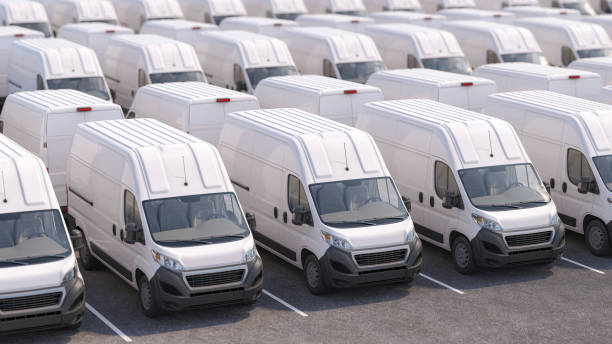
Commercial fleet acquisition and management refers to the end-to-end process of purchasing, structuring, deploying, and operating a group of commercial transport assets—such as motorcycles, vans, trucks, buses, or specialized logistics vehicles—and ensuring they generate consistent revenue through efficient management.
It combines asset procurement with professional fleet operations to maximize utilization, reduce costs, and improve return on investment (ROI).
What commercial fleet acquisition and management means
This system covers two major functions:
1. Fleet acquisition
The process of sourcing and purchasing vehicles for commercial use.
2. Fleet management
The ongoing operation, maintenance, and optimization of those vehicles to ensure profitability.
In simple terms, it is the full lifecycle management of transport assets from purchase to profit generation.
Why commercial fleet acquisition and management is important
Transport fleets are capital-intensive and require structured systems to remain profitable.
Without proper acquisition and management, businesses may face:
- Poor vehicle selection and high depreciation
- Low utilization of assets
- High fuel and maintenance costs
- Inefficient dispatch operations
- Weak or unstable revenue streams
- Low return on investment (ROI)
A structured system ensures efficiency from day one.
Core components of fleet acquisition and management
1. Fleet acquisition and procurement strategy
Ensures the right assets are purchased for the right purpose.
This includes:
- Selecting appropriate vehicle types (bikes, vans, trucks, etc.)
- Evaluating total cost of ownership
- Supplier and dealer negotiations
- Financing or leasing arrangements
- Registration and compliance setup
2. Fleet deployment and activation
Turns purchased assets into working logistics units.
This includes:
- Assigning vehicles to delivery or transport operations
- Integration into logistics networks
- Demand-based deployment strategies
- Geographic or zone-based allocation
- Initial operational onboarding
3. Driver and operator management
Human capital drives fleet performance.
This includes:
- Recruitment and onboarding
- Training for safety and efficiency
- Shift scheduling and supervision
- Performance monitoring
- Incentive and disciplinary systems
4. Maintenance and asset lifecycle management
Ensures long-term reliability and value retention.
This includes:
- Preventive maintenance scheduling
- Predictive diagnostics and monitoring
- Repair coordination with workshops
- Spare parts management
- Replacement and upgrade planning
5. Fuel and operational cost control
Reduces unnecessary expenses.
This includes:
- Fuel consumption tracking
- Driver behavior monitoring
- Cost-per-trip analysis
- Route optimization
- Budget control systems
6. Dispatch and logistics optimization
Improves delivery speed and efficiency.
This includes:
- Smart order assignment
- Route planning and optimization
- Multi-stop delivery sequencing
- Real-time rerouting
- Load balancing across fleet units
7. Real-time tracking and fleet visibility
Ensures transparency and accountability.
This includes:
- GPS tracking of all assets
- Live movement monitoring
- Geofencing and zone management
- Operational dashboards
- Utilization analytics
8. Financial performance and ROI tracking
Measures profitability of the fleet.
This includes:
- Revenue per asset tracking
- Cost breakdown analysis
- Net profit calculations
- Maintenance cost ratios
- ROI and payback period analysis
Key performance indicators (KPIs)
Commercial fleet acquisition and management is measured using:
- Asset utilization rate
- Cost per delivery or trip
- Revenue per asset
- Fuel efficiency
- Maintenance cost ratio
- Downtime rate
- Delivery success rate
- Return on investment (ROI)
Benefits of commercial fleet acquisition and management
Higher profitability
Ensures assets generate consistent income.
Improved efficiency
Optimized operations reduce waste and delays.
Better asset utilization
Vehicles remain active in revenue-generating tasks.
Reduced operational costs
Fuel, maintenance, and inefficiencies are minimized.
Scalable logistics model
Easy to expand fleet size and operations.
Challenges in fleet acquisition and management
Despite benefits, challenges include:
- High initial capital requirements
- Asset depreciation over time
- Fuel price volatility
- Maintenance unpredictability
- Driver behavior inconsistencies
- Market demand fluctuations
Risks of poorly managed fleet systems
Without structured management, companies may face:
- Low or inconsistent income
- High operational costs
- Frequent breakdowns
- Poor customer satisfaction
- Weak ROI
- Asset underutilization
Technology used in fleet acquisition and management
Modern systems rely on:
- GPS tracking and telematics
- Fleet management software
- AI-based route optimization
- Predictive maintenance systems
- Mobile driver applications
- Fuel monitoring tools
- Real-time analytics dashboards
These technologies improve efficiency, transparency, and decision-making.
Where logistics coordination fits in
Fleet acquisition and management operates within broader logistics ecosystems such as:
- E-commerce fulfillment networks
- Courier and express delivery systems
- Freight and cargo transportation
- Urban last-mile logistics
- Supply chain distribution networks
Efficient coordination ensures maximum asset productivity and profitability.
How Travo.ng supports logistics coordination
While commercial fleet acquisition and management focuses on asset procurement and operational efficiency, logistics coordination ensures smooth movement of goods across supply chains.
Travo.ng supports logistics operations through:
- Cargo consolidation and freight coordination
- Intercity and interstate delivery services
- Port-to-destination logistics support
- Supply chain coordination across Nigeria
- End-to-end logistics execution for cargo movement
This improves fleet utilization and strengthens overall logistics performance.
Final thoughts
Commercial fleet acquisition and management is a complete system for building and operating profitable transport networks. By combining strategic procurement, operational control, and performance optimization, businesses can turn transport assets into sustainable income-generating systems.
In modern logistics, success depends not only on acquiring fleets, but on how effectively they are managed throughout their entire lifecycle.
