


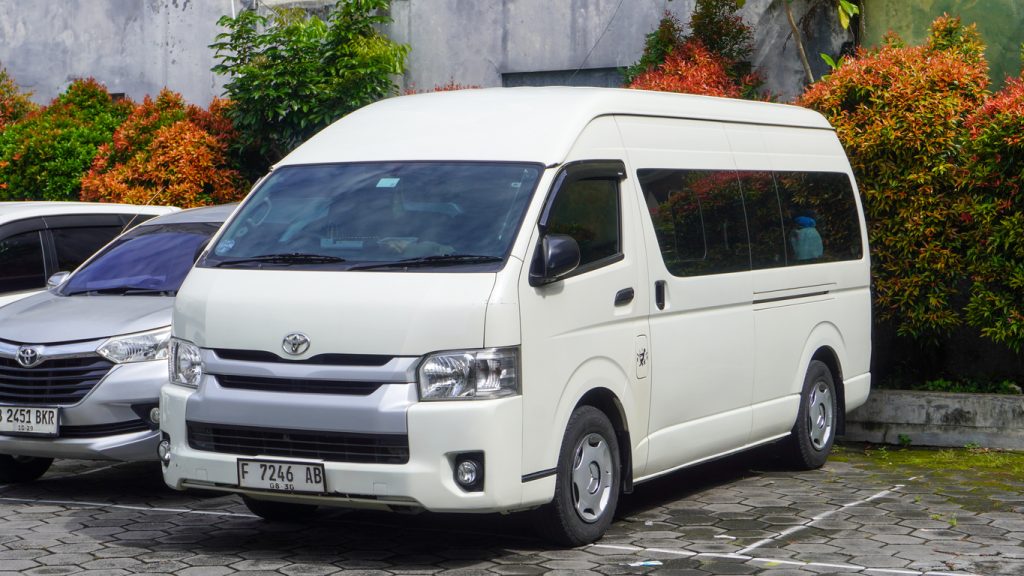
Bus tracker installation involves fitting a GPS tracking device into a bus so the vehicle can be monitored in real time. It is widely used for school buses, staff buses, interstate transport fleets, and logistics shuttle services to improve security, safety, and operational control.
In high-traffic cities like Lagos, bus tracking installation is especially important for transport companies, schools, and corporate fleets that need full visibility of vehicle movement.
What bus tracker installation is
It is the process of installing a GPS device inside a bus that enables:
- Real-time location tracking
- Route monitoring and playback
- Driver behavior monitoring
- Emergency alerts (panic button)
- Engine ignition tracking
- Fleet management reporting
The system connects the bus to a live tracking dashboard or mobile app.
Types of GPS installation for buses
1. Hardwired Installation (Most common)
- Connected directly to bus battery and ignition
- Provides continuous tracking
- Supports advanced features like engine cut-off and alerts
2. Plug-and-Play Installation
- Plugged into diagnostic or power port
- Easier and faster installation
- Suitable for temporary or smaller fleets
3. Hidden Security Installation
- Tracker is concealed inside the bus
- Used mainly for theft prevention
- Harder for drivers or thieves to detect
Step-by-step bus tracker installation process
1. Device selection
Choose a GPS tracker that supports:
- Real-time tracking
- Geofencing
- Ignition alerts
- Panic button (for safety)
2. Positioning the tracker
Install the device in hidden or protected areas such as:
- Under dashboard
- Inside fuse box area
- Under driver seat (secured properly)
3. Wiring connection (for hardwired systems)
Connect to:
- Vehicle battery (power)
- Ignition wire (engine detection)
- Ground wire (stability)
4. SIM card activation
- Insert SIM card with data plan
- Ensure network connectivity (2G/3G/4G depending on device)
5. System activation
- Register device on tracking platform
- Link bus to dashboard or mobile app
- Configure alerts and geofences
6. Testing
- Start engine and verify ignition alerts
- Move bus and confirm live tracking
- Test mobile app or web dashboard
Key features of installed bus tracking systems
Once installed, bus trackers provide:
- Live GPS location tracking
- Speed monitoring and overspeed alerts
- Route history playback
- Engine ignition ON/OFF alerts
- Geofencing (route boundaries)
- Panic button emergency alerts
- Driver behavior monitoring
Benefits of installing trackers on buses
Improved passenger safety
Especially important for school and staff buses.
Theft prevention and recovery
Real-time tracking helps locate stolen buses quickly.
Better route control
Ensures buses follow assigned routes without deviation.
Reduced fuel misuse
Tracks idle time, speed, and unauthorized usage.
Improved fleet management
Helps operators coordinate multiple buses efficiently.
Why bus tracking installation is important in Nigeria
In cities like Lagos, bus operators face:
- Heavy traffic delays
- Fuel theft and inefficiency
- Security risks on routes
- Poor driver accountability
- Difficulty managing multiple buses
Tracking installation helps solve these operational challenges.
Common use cases
Bus tracker installation is used for:
- School bus fleets
- Staff transport services
- Interstate travel companies
- Corporate shuttle buses
- Logistics and cargo buses
- Tourism and charter buses
Common mistakes during installation
- Poor hidden placement of device
- Incorrect wiring (leading to power failure)
- No activation of alerts and geofencing
- Using low-quality SIM/network
- Not linking system to proper dashboard
Integration with fleet systems
Bus trackers integrate with:
- Fleet management software
- Transport management systems
- Driver behavior monitoring tools
- Fuel monitoring systems
- Emergency response systems
- Mobile fleet apps
How Travo.ng supports bus tracking installation
Modern transport operations require full visibility and control.
Travo.ng supports businesses through:
- Bus GPS tracker installation and setup
- Real-time fleet tracking dashboards
- Driver behavior and safety monitoring
- Geofencing and route control systems
- Emergency alerts and fleet analytics
- End-to-end fleet management solutions across Nigeria
Final thoughts
Bus tracker installation is essential for modern transport operations in Nigeria. It improves safety, enhances accountability, and gives operators real-time control over their fleet.
In busy cities like Lagos, installing GPS trackers on buses is no longer optional—it is a core part of efficient and secure fleet management.
