


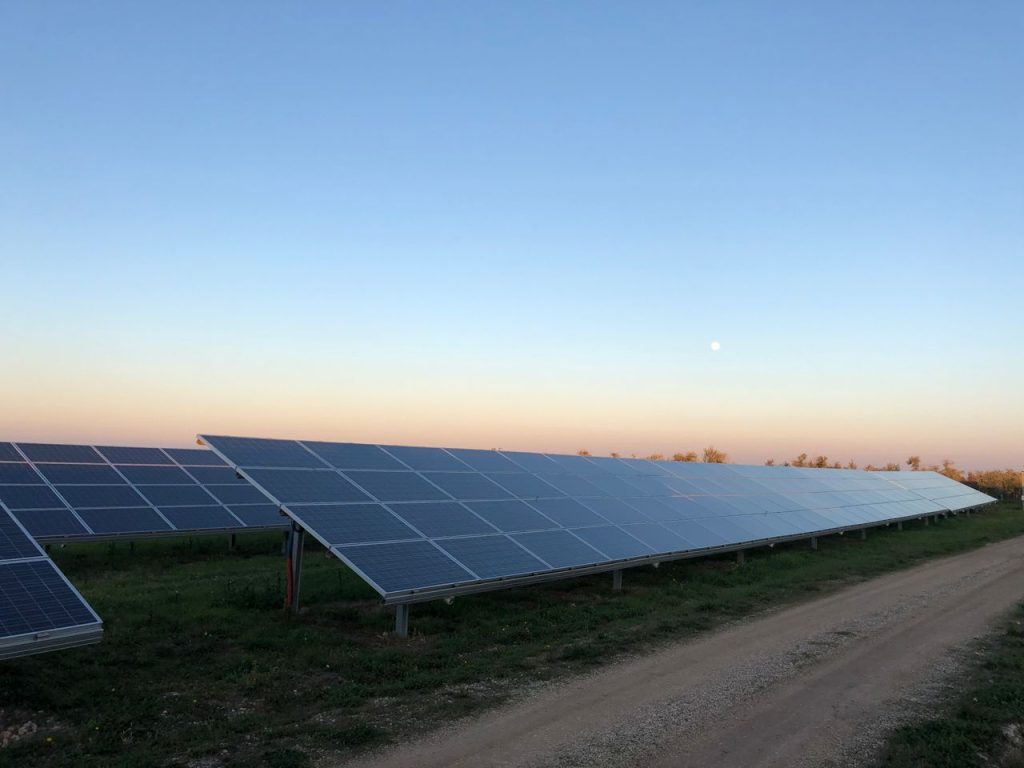
For many homes and businesses in Lagos, moving away from constant generator use makes financial sense, but the upfront cost of buying a complete solar system can be difficult to absorb. Zero capital solar leasing in Lagos provides another route: instead of paying for panels, batteries, inverters, installation, and supporting equipment at once, users can access a solar power system through a structured leasing arrangement.
This model is particularly useful for businesses that need predictable electricity but would rather preserve their working capital for stock, salaries, expansion, or daily operations. Travo.ng can help coordinate practical energy leasing arrangements alongside the logistics needed to deliver and position solar equipment across Lagos.
How Zero Capital Solar Leasing Actually Works
A zero-capital arrangement generally means the customer does not purchase the full solar system upfront.
The process usually begins with an assessment of the property’s electricity requirements. A small office in Ikeja running laptops, lighting, routers, and air conditioning will require a different setup from a supermarket in Lekki operating refrigerators, freezers, POS systems, and security equipment.
Once the expected load is established, a suitable solar and battery system can be proposed. The equipment is then supplied under agreed leasing terms, allowing the customer to spread the cost through periodic payments instead of making a large initial investment.
Before accepting any offer, customers should confirm:
- What equipment is included
- Monthly or periodic lease payments
- Contract duration
- Maintenance responsibilities
- Battery replacement conditions
- Installation charges, if any
- What happens at the end of the lease
These details matter because two offers advertised as “zero capital” may have very different long-term costs.
Why Lagos Businesses Are Looking Beyond Generators
Generator dependence is expensive beyond the cost of buying fuel.
Businesses also deal with servicing, engine oil, replacement parts, noise, fumes, fuel storage, and interruptions when diesel or petrol is unavailable. For a shop that must keep refrigerators running or an office that depends heavily on internet connectivity, even a short power interruption can affect revenue.
Solar leasing can make power costs easier to plan because the business knows its agreed payment structure rather than constantly reacting to fuel purchases.
It can be especially practical for:
- Restaurants and small supermarkets
- Pharmacies
- Salons and barbershops
- Offices and coworking spaces
- Schools and training centres
- Clinics
- Short-let apartments
- Retail stores
- Warehouses with moderate electricity requirements
Your Electricity Load Should Be Checked Before Installation
One mistake people make is choosing solar equipment based only on the number of panels or battery capacity advertised.
The more important question is what appliances need to run and for how long.
A proper assessment should consider equipment such as air conditioners, refrigerators, pumps, computers, television sets, security systems, lighting, and industrial appliances.
For example, a business in Surulere that operates mostly during daylight hours may be able to rely heavily on direct solar production. A 24-hour operation may require significantly more battery storage.
Correct sizing prevents customers from paying for an oversized system or leasing equipment that cannot support their actual electricity demand.
Equipment Delivery Across Lagos Needs Proper Coordination
Solar installations involve more than electrical work. Panels, batteries, inverters, mounting structures, cables, and other components must reach the property safely.
Moving equipment into areas such as Lekki, Ajah, Victoria Island, Ikeja, Yaba, or Lagos Mainland can require careful scheduling, particularly when larger batteries or mounting materials are involved.
Traffic also matters. Deliveries planned during heavy morning or evening congestion can delay installers and increase the time required to complete a project.
Travo.ng can support the movement and coordination of solar equipment through its transport and logistics services, helping suppliers and customers arrange deliveries at practical times.
Check the Lease Terms Before You Commit
A good solar leasing agreement should be clear about ownership, servicing, payment responsibilities, and system performance.
Do not choose a provider simply because the advertisement says there is no upfront payment. Ask whether maintenance is included and who is responsible if a battery, inverter, or other major component develops a fault.
Businesses should also compare the proposed lease payment with their current generator operating costs. The goal is not simply to install solar; it is to create a power arrangement that makes financial and operational sense over time.
Get Zero Capital Solar Leasing in Lagos Through Travo.ng
For businesses and households that want solar power without tying up a large amount of cash in equipment, zero capital solar leasing in Lagos can provide a practical alternative.
Travo.ng can help customers coordinate suitable solar leasing solutions while supporting equipment delivery and transport requirements across Lagos.
Whether you operate an office in Ikeja, a shop in Lekki, a restaurant in Yaba, or a residential property in Ajah, the first step is understanding your electricity load and selecting a leasing arrangement that matches how you actually use power.
With the right system size, clear contract terms, and properly coordinated installation logistics, solar leasing can reduce dependence on generators without requiring a major upfront equipment purchase.
