


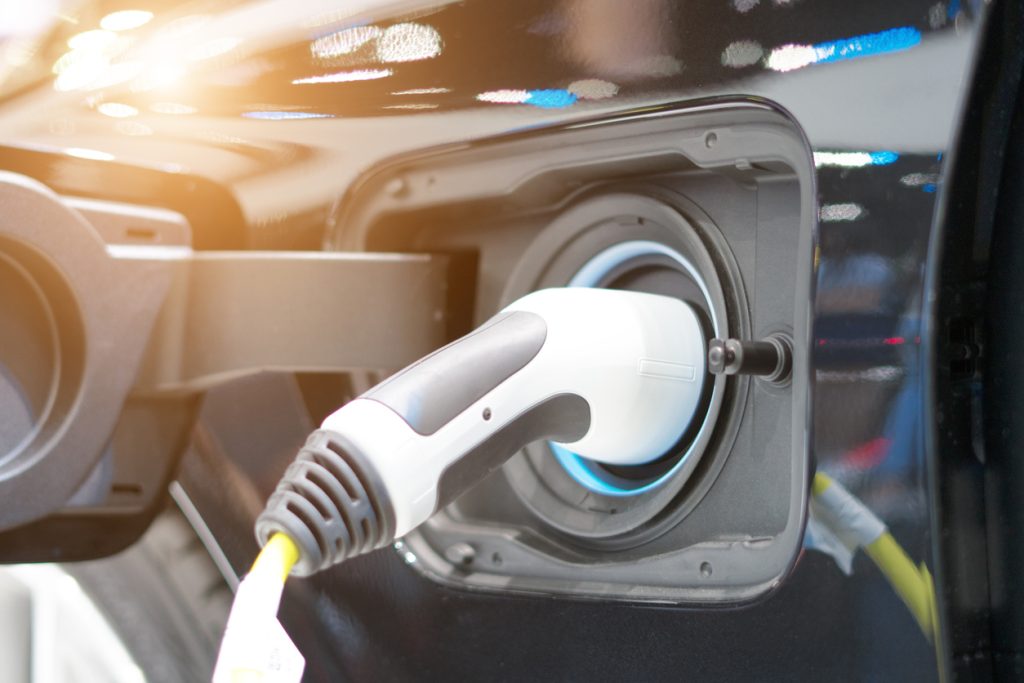
For Nigerian businesses running several vehicles every day, fuel is no longer a small operating expense. Delivery vans, sales vehicles, staff buses and service cars can consume significant amounts of petrol, especially when they spend hours moving through Lagos traffic.
This is why more fleet operators are considering how to switch fleet from petrol to electric without creating new operational problems. The important part is not simply buying electric vehicles. A successful transition requires planning around daily mileage, charging locations, vehicle availability, maintenance and the actual routes your drivers cover.
For most businesses, changing the entire fleet at once is rarely the most practical approach.
Start With the Vehicles That Cost You the Most to Run
Before replacing anything, study how your existing vehicles are being used.
A company with 20 vehicles may discover that five delivery cars operating around Ikeja, Yaba, Surulere and Lagos Island consume considerably more petrol than vehicles assigned to occasional interstate journeys.
These high-use urban vehicles are often sensible candidates for an initial EV rollout.
Fleet managers should review:
- Daily kilometres travelled
- Monthly petrol expenditure
- Typical routes and traffic conditions
- Number of trips per vehicle
- Overnight parking locations
- Maintenance and repair costs
- How long vehicles remain idle between trips
This gives the business an operational baseline against which electric vehicles can be compared.
Switch Fleet From Petrol to Electric in Stages
Trying to replace 30 petrol vehicles simultaneously can create unnecessary capital and operational pressure.
A better approach may be to begin with three to five vehicles on predictable routes.
For example, a company making regular deliveries from a warehouse in Ikeja to customers around Maryland, Yaba and Victoria Island can test EVs on those routes before introducing them to longer journeys.
During the pilot period, monitor charging frequency, kilometres completed per charge, driver behaviour, downtime and electricity consumption.
Once the numbers make operational sense, additional petrol vehicles can be replaced as they reach the end of their useful life.
Charging Must Be Planned Before the Vehicles Arrive
One of the biggest mistakes businesses can make is purchasing electric vehicles before deciding where and how they will charge them.
A fleet that returns to the same office, warehouse or depot every evening has an advantage because charging can be centralized.
Businesses should assess available electrical capacity, parking arrangements, charger installation requirements and the number of vehicles that may need power simultaneously.
Power reliability also matters in Nigeria. Depending on the facility, charging infrastructure may need to work alongside grid electricity, solar installations, battery storage or other backup power arrangements.
The charging plan should match vehicle operations rather than forcing drivers to change productive routes simply to find electricity.
Compare Total Operating Cost Instead of Purchase Price Alone
Electric vehicles may have a higher initial purchase cost than some petrol alternatives, so comparing showroom prices alone can be misleading.
Fleet managers should calculate the cost of operating each vehicle over several years.
Consider petrol expenditure, electricity costs, routine servicing, engine-related repairs, replacement parts, insurance, charging equipment and expected resale value.
A petrol vehicle travelling extensively every working day may accumulate significant fuel and maintenance expenses. An electric replacement could offset some of those costs over time, particularly on predictable high-mileage urban routes.
The calculation should be based on your actual fleet records rather than generic savings estimates.
Keep Interstate Requirements Separate From City Operations
Not every vehicle needs to become electric immediately.
A business handling deliveries within Lagos has different requirements from a company regularly sending vehicles between Lagos, Abuja, Benin City or Port Harcourt.
Where charging availability along a route remains uncertain, businesses can retain petrol vehicles for specific long-distance assignments while deploying EVs for urban operations.
This mixed-fleet approach allows the company to gain practical experience without affecting important customer deliveries or staff movements.
How Travo.ng Can Support Your Fleet Transition
Businesses planning to switch fleet from petrol to electric need more than vehicle procurement. They need the new vehicles integrated into existing transport operations.
Travo.ng can support companies with vehicle sourcing and transport coordination, fleet movement, charging-related logistics, business delivery planning and other mobility requirements connected to an EV transition.
The objective should be a fleet that still completes deliveries, moves staff and serves customers efficiently while reducing dependence on petrol.
For many Nigerian businesses, the smartest transition will not happen overnight. It will begin with good fleet data, the right vehicles, reliable charging arrangements and a gradual rollout built around real daily operations.
