


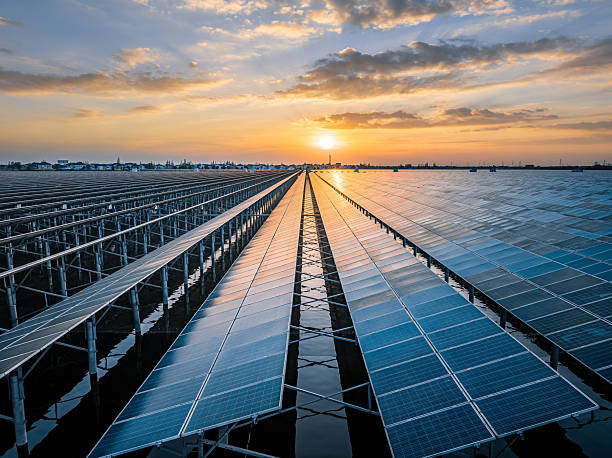
Running a data centre in Lagos means planning for one problem that cannot be ignored: uninterrupted electricity. Servers, cooling equipment, network systems and security infrastructure must keep working whether grid power is available or not. This is why solar power for data centres Lagos is increasingly being considered alongside generators, batteries and other backup energy systems.
For data centre operators, however, installing solar is more complicated than putting a few panels on a commercial building. The size of the electrical load, available roof or ground space, battery requirements, equipment transportation and installation schedule all have to work together.
Travo.ng can support the logistics side of these projects by coordinating equipment movement, vehicle hire, delivery and transportation requirements across Lagos and other parts of Nigeria.
Why Data Centres Cannot Depend on Lagos Grid Power Alone
A residential building can tolerate a short outage. A data centre cannot.
Even a brief interruption can affect servers, connectivity and customer systems. Cooling is another major consideration because racks of computing equipment generate significant heat throughout the day.
For this reason, many facilities combine several energy sources, such as:
- Grid electricity
- Solar panels
- Battery energy storage
- Inverters
- Diesel or gas generators
- Automatic backup systems
Solar usually works best as part of this wider energy arrangement rather than as an isolated power source.
During daylight hours, a properly designed system can offset part of the facility’s electricity demand while batteries store energy for later use. Generators can then remain available for periods when additional backup is required.
Space and Power Demand Must Be Checked Before Installation
One mistake businesses make is discussing the number of solar panels before calculating their actual electrical load.
A data centre consuming hundreds of kilowatts continuously will require a very different installation from a smaller server facility supporting a few racks.
Engineers normally need to assess the facility’s existing consumption, cooling load, peak demand, available installation space and expected future expansion.
Roof space can also become a limitation in areas such as Ikeja, Victoria Island or Lekki where commercial buildings may have significant power requirements but limited available surface area.
Where roof capacity is insufficient, operators may consider adjacent land, carport-mounted panels or hybrid energy arrangements.
Moving Solar Equipment Around Lagos Requires Proper Planning
Large renewable-energy projects create their own logistics challenges.
Solar panels may arrive in pallets, while batteries, inverter cabinets, mounting systems, transformers and electrical components can require separate vehicles.
Transporting them during Lagos traffic without proper coordination can create delays between suppliers, installers and the data centre site.
For example, equipment moving from a warehouse around Apapa to a project site in Lekki may encounter significant traffic around port corridors and major junctions. Deliveries are often easier when vehicle dispatch, loading and site access are planned before installation crews arrive.
Travo.ng can coordinate cargo logistics, delivery services, truck transportation and vehicle hire for businesses moving solar and electrical equipment across Lagos.
Battery Storage Is Critical for Reliable Solar Power
Solar panels produce electricity when sufficient sunlight is available, but data centres operate 24 hours a day.
Battery storage therefore becomes an important part of the design.
The required capacity depends on how much of the facility’s load the batteries need to support and for how long. Some installations may use batteries primarily to smooth short interruptions, while others may be designed to support substantial loads for longer periods.
Batteries are also heavy and expensive equipment. Transportation should account for weight, handling requirements, unloading equipment and secure delivery.
For larger projects, staggered deliveries may be more practical than sending every component to the site at once.
Planning Solar Power for Data Centres in Lagos
Businesses considering solar power for data centres in Lagos should start with an energy audit rather than immediately purchasing equipment.
A practical project normally involves assessing power consumption, selecting the appropriate solar and battery capacity, checking installation space, preparing the site and arranging equipment delivery.
Logistics should be planned at the same stage as installation. Panels arriving too early may require temporary storage, while late battery or inverter deliveries can leave technicians waiting on site.
Travo.ng helps businesses coordinate the movement behind these projects through cargo transportation, scheduled deliveries, vehicle hire and business logistics support.
For Lagos data centres looking to reduce generator dependence and build a more diversified power system, solar can be a practical part of the solution when the engineering, storage and logistics are properly coordinated.
