


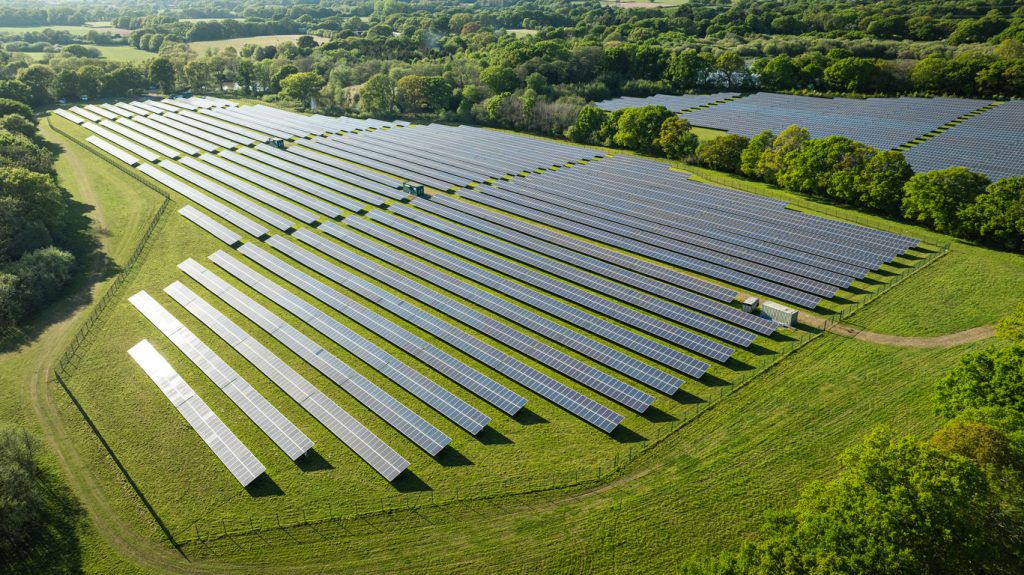
Solar equipment leasing in Lagos is becoming a practical option for homes and businesses that want reliable electricity without paying the full cost of a solar installation at once. With diesel prices, generator maintenance and inconsistent grid supply affecting daily operations, many Lagos residents are looking for alternatives that reduce both disruption and upfront spending.
Instead of purchasing panels, batteries, inverters and other components outright, leasing allows customers to use a properly sized solar system while spreading the cost over an agreed period.
For businesses especially, this can make the switch from generator-dependent power much easier to manage.
What You Actually Get When Leasing Solar Equipment
A solar lease should be based on the amount of electricity you genuinely use, not simply on the number of panels available.
A small office in Ikeja running laptops, lighting, internet equipment and fans will have different requirements from a supermarket in Lekki operating refrigerators, freezers, CCTV systems and point-of-sale machines.
Depending on the arrangement, leased equipment may include:
- Solar panels
- Hybrid or solar inverters
- Battery storage
- Mounting equipment
- Cables and electrical protection
- Monitoring equipment
Some arrangements may also include installation, inspection and ongoing maintenance.
Before committing, customers should request a proper energy assessment. Installing an undersized system usually leads to frustration because the batteries drain faster than expected.
Solar Equipment Leasing in Lagos Can Reduce Upfront Costs
A complete solar installation can require a substantial initial investment.
For a household, shop or small office, purchasing quality batteries and inverters alone can take a large part of the budget. Larger businesses with refrigeration, machinery or extended operating hours may require considerably more capacity.
Leasing changes the financial structure.
Instead of paying the entire equipment cost immediately, the customer can make agreed periodic payments. This helps businesses protect working capital for salaries, stock, expansion and other operational expenses.
It is particularly useful for businesses that currently spend heavily on diesel but cannot comfortably fund a large solar project in one payment.
Lagos Location and Building Conditions Still Matter
Solar installations in Lagos are not identical.
A detached property in Ajah may have enough roof space for several panels, while an office inside a commercial building on Lagos Island may have limited access to suitable installation space.
Technicians also need to consider shading from neighbouring buildings, roof condition and the distance between panels, batteries and the main electrical distribution point.
Businesses in areas such as Victoria Island, Ikeja, Yaba, Surulere and Lekki should therefore arrange a site assessment before agreeing to a system size.
A proper inspection helps avoid paying for equipment that cannot perform effectively at the location.
Calculate Your Current Generator Expenses First
One useful step before leasing is to calculate what unreliable electricity already costs you.
Include:
- Monthly diesel or petrol purchases
- Generator servicing
- Engine oil and spare parts
- Generator repairs
- Time lost during breakdowns
- Business interruptions caused by unavailable power
A restaurant spending heavily each month to keep refrigerators, lighting and kitchen equipment running may discover that a solar lease provides more predictable energy expenses.
The comparison should be based on total operating cost rather than fuel alone.
Check the Lease Agreement Carefully
Not every solar leasing arrangement works the same way.
Before signing, confirm who handles maintenance, damaged components and battery replacement. You should also know whether the equipment remains the provider’s property throughout the contract or whether ownership eventually transfers to you.
Ask about early termination, relocation and equipment upgrades as well.
This becomes important for tenants and growing businesses. A company leasing an office in Gbagada today may move to a larger facility in Ikeja within two years. The agreement should explain what happens if the system needs to be transferred.
Travo.ng Can Help Coordinate Solar Equipment Leasing in Lagos
Travo.ng helps customers access practical energy solutions while also supporting the logistics involved in getting equipment where it needs to go.
For businesses, moving solar panels, batteries and inverter equipment requires careful transport coordination because many components are heavy, fragile or expensive. Delivery timing may also need to match technicians arriving at the installation location.
Travo.ng can support equipment movement, delivery coordination and related business logistics where required, helping reduce the complications of arranging several service providers separately.
For customers considering solar equipment leasing in Lagos, the best starting point is a realistic assessment of electricity consumption, available installation space and current generator expenses.
A properly planned lease can provide more predictable power without the financial pressure of purchasing an entire solar system upfront. With the right equipment size and dependable logistics support, homes and businesses can reduce generator dependence while maintaining the electricity needed for everyday operations.
