


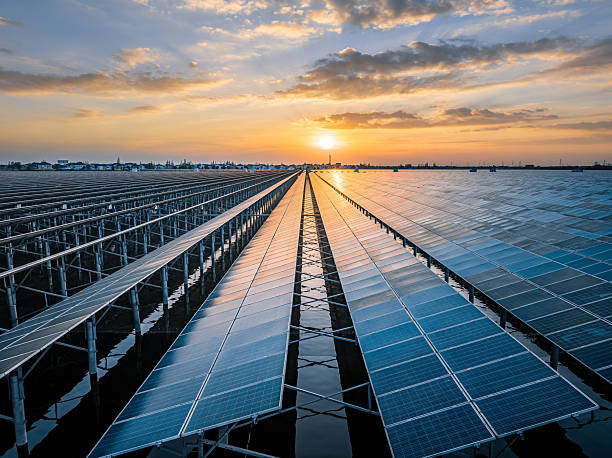
Running a diesel generator in Lagos can become expensive very quickly, especially for businesses, shops, offices, estates, and homes that need electricity for several hours every day. Between buying diesel, servicing the generator, replacing parts, and dealing with noise, many users are now considering a solar alternative to diesel generator in Lagos.
Solar does not necessarily mean removing your generator immediately. In many Lagos properties, the more practical approach is to install enough solar panels, battery storage, and inverter capacity to handle everyday electricity needs while keeping the generator available for unusual periods of heavy demand.
The right setup depends heavily on what you actually want to power.
Start With the Appliances You Use Every Day
One mistake people make when moving from diesel to solar is buying equipment before calculating their electricity load.
A small office in Ikeja running laptops, lights, Wi-Fi routers, fans, printers, and a television will need a very different system from a supermarket in Lekki operating refrigerators, freezers, air conditioners, and other commercial equipment.
Before choosing a system, list your essential appliances and how many hours they operate.
For example:
- Lights and fans may run for 8–12 hours.
- Internet equipment may need continuous power.
- Refrigerators cycle throughout the day.
- Air conditioners create significantly higher electricity demand.
- Pumps and machinery can require high starting power.
A proper assessment makes it easier to determine the required inverter size, battery capacity, and number of solar panels.
Where Solar Can Reduce Diesel Spending Fastest
Businesses that run generators for long daytime periods often have a strong opportunity to reduce diesel consumption.
Lagos receives useful daylight for solar generation, meaning panels can supply electricity during business hours while also charging batteries for later use.
Consider a small business that normally operates a generator from morning until evening because electricity supply is inconsistent. Rather than running the generator continuously, a properly sized solar system can handle routine loads such as computers, lighting, POS terminals, CCTV cameras, internet equipment, and fans.
The generator can then be reserved for unusually heavy loads or extended periods when battery capacity is insufficient.
This hybrid approach is often more practical than expecting solar to replace every source of power from the first day.
Choosing Battery Capacity for Lagos Conditions
Battery storage determines how long your appliances can operate when solar panels are no longer producing enough electricity.
This becomes especially important at night and during periods of heavy cloud cover.
Lithium batteries have become popular because they generally offer deeper usable capacity and longer service life than traditional lead-acid batteries when properly managed. However, system quality still depends on correct sizing, installation, ventilation, protection, and inverter compatibility.
Installing a large inverter with inadequate battery capacity can leave you with a system that looks powerful on paper but shuts down much earlier than expected.
Solar Rental or Leasing Can Reduce the Initial Cost
The upfront cost of a commercial solar installation can discourage businesses that would otherwise benefit from switching away from diesel.
Solar rental, leasing, and structured payment arrangements can make the transition easier.
Instead of paying the entire equipment cost immediately, a business may be able to spread payments over an agreed period while using the installed system.
This can be particularly useful for offices, restaurants, retail stores, clinics, warehouses, and SMEs trying to control operating expenses without tying up large amounts of capital.
Travo.ng can help customers explore practical energy and logistics arrangements where solar equipment sourcing, delivery, transport coordination, or installation support is required.
Installation Location Matters More Than Many People Expect
Lagos buildings can present unusual installation challenges.
A property in Surulere may have limited roof space. A commercial building in Victoria Island may have multiple businesses sharing the same rooftop. Warehouses around Ikeja or Amuwo-Odofin may have larger roof areas but require careful cable routing and equipment positioning.
Before installation, technicians should check:
- Available roof or ground space
- Direction and shading around the panels
- Roof strength and accessibility
- Safe battery location
- Cable distances
- Existing electrical distribution
- Future electricity demand
Skipping this assessment can lead to disappointing solar performance.
Moving From Diesel to Solar Without Disrupting Operations
Businesses do not always need to shut down their existing power arrangement before installing solar.
A phased transition can be safer.
Start by moving predictable loads such as lighting, internet equipment, computers, CCTV systems, and smaller appliances to solar. Monitor actual electricity consumption and battery performance before adding heavier equipment.
Travo.ng can support businesses coordinating equipment movement, delivery, vehicle hire, and logistics required for solar installations across Lagos.
For anyone searching for a solar alternative to diesel generator in Lagos, the most important step is not simply buying panels. It is designing a power system around actual daily consumption.
A properly planned solar and battery setup can reduce generator running hours, lower dependence on diesel, reduce noise, and provide businesses and households with a more predictable way to manage everyday electricity needs.
