


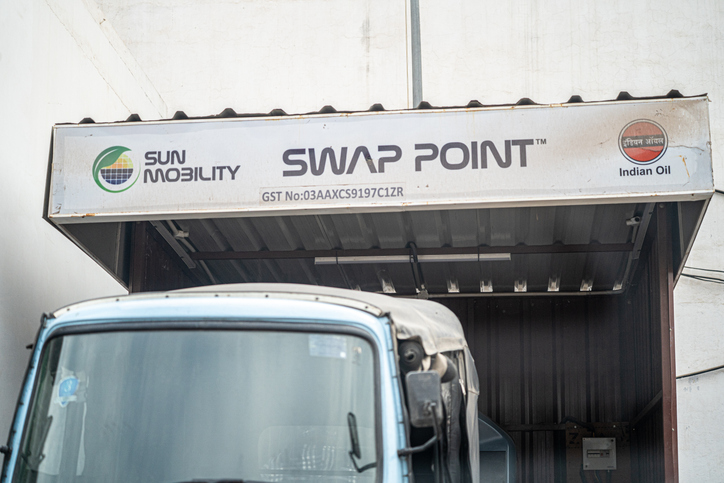
Battery swapping in Africa is becoming a practical solution for electric motorcycles, delivery bikes, and commercial transport operators looking to reduce charging delays. Instead of waiting hours for an electric vehicle to recharge, drivers can exchange a depleted battery for a charged one at a designated swapping station.
In cities like Lagos, Nairobi, Kigali, and Kampala, where commercial motorcycles and delivery vehicles operate throughout the day, this approach could make electric mobility more convenient.
For logistics businesses, the attraction is simple. Less time charging means more time moving goods, completing deliveries, and serving customers.
How Battery Swapping Works for Electric Vehicles
Battery swapping allows drivers to replace discharged batteries with fully charged units without waiting for conventional charging.
A typical process involves:
- Riding to an approved battery swapping station.
- Removing or exchanging the depleted battery.
- Receiving a compatible, fully charged replacement.
- Continuing the journey after the exchange.
Some operators use subscription plans or pay-per-swap arrangements, depending on vehicle type and service provider.
However, batteries are not universally interchangeable. Drivers must use stations supporting their vehicle’s battery specifications and approved safety systems.
Where Battery Swapping in Africa Makes Commercial Sense
Electric motorcycles are among the strongest candidates for battery swapping because they often use smaller, removable battery packs.
In Lagos, dispatch riders covering Ikeja, Yaba, Surulere, and Victoria Island may complete several deliveries daily. Spending hours charging between assignments could affect productivity.
A properly located swapping station could reduce these interruptions.
Similar opportunities exist in Nairobi and Kigali, where electric motorcycle operations have attracted growing commercial interest.
For Nigerian businesses considering electric delivery fleets, station availability matters as much as vehicle affordability.
What Nigerian Delivery Businesses Should Calculate
Switching to electric motorcycles involves more than comparing petrol prices with electricity costs.
Fleet operators should consider:
- Battery swapping subscription or transaction charges.
- Distance between swapping stations and delivery routes.
- Battery availability during peak operating hours.
- Vehicle maintenance and replacement parts.
- Battery ownership, warranties, and replacement responsibilities.
- Downtime when swapping stations experience electricity shortages.
For example, a dispatch company handling deliveries between Lekki Phase 1 and Victoria Island needs reliable battery access along its operating corridor.
If the nearest compatible station requires a lengthy diversion, potential savings could disappear through wasted time.
Businesses should calculate their actual cost per kilometre before committing to a swapping arrangement.
Electricity Supply Remains a Practical Challenge
Unreliable electricity infrastructure can complicate battery swapping operations across African markets.
Stations need sufficient charging capacity, battery inventory, and dependable power management.
In Nigeria, operators may require solar installations, battery storage, or backup electricity systems to maintain operations during grid interruptions.
These arrangements increase initial investment but can improve service continuity.
Battery safety also requires attention. Poor storage conditions, incompatible chargers, and inadequate temperature management can damage equipment or create serious hazards.
How Travo.ng Supports Changing Transport Needs
As electric mobility develops, businesses still need dependable delivery coordination, cargo movement, and transport support.
Travo.ng helps customers arrange courier services, business logistics, vehicle hire, and transport coordination across Nigeria.
For companies gradually introducing electric delivery vehicles, combining suitable electric routes with conventional logistics support can help maintain service coverage.
This is particularly useful when electric fleet capacity is limited or delivery destinations fall outside available swapping networks.
Planning for Electric Logistics Across Africa
Battery swapping will not immediately replace conventional vehicle charging or petrol-powered transport.
Its success depends on affordable batteries, compatible vehicles, accessible stations, and dependable operating infrastructure.
For African logistics companies, the sensible approach is to assess daily routes, compare operating costs, and introduce electric vehicles where the numbers work.
Businesses requiring dependable delivery and transport arrangements can contact Travo.ng to coordinate practical logistics solutions while exploring emerging electric mobility options.
