


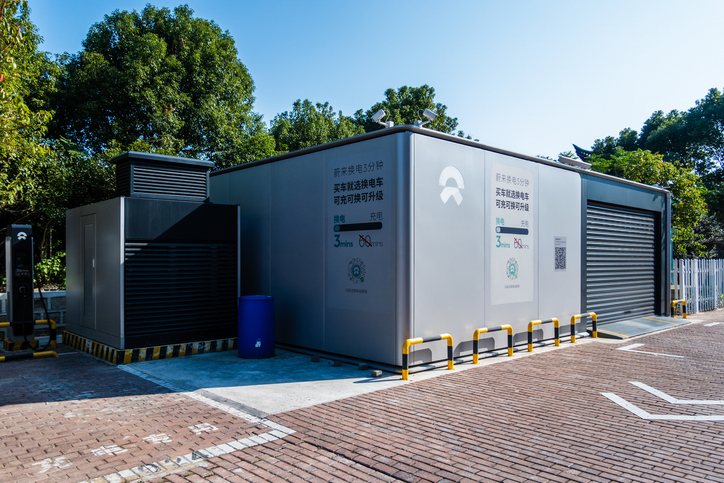
Battery swap stations in Africa are changing how electric motorcycles, delivery bikes, and commercial vehicles operate. Instead of waiting hours for a battery to recharge, drivers can exchange a depleted battery for a charged one and return to work within minutes.
For African cities dealing with rising fuel costs, unreliable electricity, and increasing transport demand, battery swapping offers a practical alternative to conventional vehicle charging.
In Nigeria, Kenya, Rwanda, and other emerging electric mobility markets, this technology is attracting attention from delivery businesses, motorcycle operators, and transport companies looking to reduce operating expenses.
How Battery Swap Stations in Africa Actually Work
A battery swapping station stores charged batteries that drivers can exchange for depleted ones.
The process is straightforward:
- An electric motorcycle arrives with a low battery.
- The operator removes the depleted battery.
- A charged, compatible battery is installed.
- The driver completes payment or uses an existing subscription.
- The vehicle returns to operation.
The exchange can take just a few minutes, depending on the vehicle and station design.
However, batteries are not universally interchangeable. Drivers must use stations compatible with their vehicle’s battery system.
Where Battery Swapping Is Growing Across Africa
Kenya
Nairobi has become an important market for electric motorcycles and battery swapping. Companies such as Roam and Ampersand have developed electric motorcycle solutions, while swapping networks support commercial riders.
Rwanda
Kigali has seen electric motorcycle adoption supported by battery swapping infrastructure. Commercial motorcycle taxis are particularly suitable because drivers frequently cover long distances throughout the day.
Nigeria
In Lagos and Abuja, electric mobility presents opportunities for courier businesses, corporate fleets, and commercial transport operators.
However, limited swapping infrastructure, inconsistent electricity supply, and vehicle compatibility remain important challenges.
Ghana
Accra’s growing interest in electric transportation creates potential opportunities for battery swapping, particularly for delivery motorcycles and commercial fleets.
Availability remains dependent on individual operators and their infrastructure.
Can Battery Swapping Reduce Delivery Costs in Nigeria?
Consider a dispatch business operating 20 motorcycles across Ikeja, Lekki, and Victoria Island.
Petrol expenses, maintenance, and daily traffic delays can significantly affect profitability.
Switching to compatible electric motorcycles with accessible swapping stations could reduce fuel-related expenses and time spent waiting for charging.
However, businesses must calculate the full operating cost, including:
- Battery swapping subscriptions or exchange fees
- Electric motorcycle purchase or leasing costs
- Distance between delivery routes and swapping stations
- Battery availability during busy periods
- Vehicle maintenance and replacement parts
A cheaper energy cost does not automatically guarantee lower delivery expenses if riders must travel long distances to exchange batteries.
Challenges Facing Battery Swap Stations in Africa
Reliable electricity remains one of the biggest operational concerns.
Stations require consistent charging capacity, backup power arrangements, and sufficient batteries to meet demand.
Other challenges include expensive initial infrastructure, battery standardisation, limited station coverage, and battery safety management.
For interstate logistics operators, availability becomes even more important. A motorcycle operating within Lagos may access a swapping network, while longer routes could have limited support.
Planning Electric Delivery Operations With Travo.ng
Businesses exploring electric mobility should first evaluate their delivery routes, vehicle requirements, and available charging infrastructure.
Travo.ng supports businesses through courier services, delivery coordination, cargo logistics, and transport arrangements across Nigeria.
For companies managing deliveries in Lagos, Abuja, or Port Harcourt, reliable logistics planning remains essential regardless of whether vehicles use petrol or electricity.
Battery swap stations in Africa could become an important part of commercial transportation as networks expand.
For businesses considering electric delivery fleets, the practical starting point is identifying compatible vehicles, checking station coverage, and calculating operating costs before investing.
Is this conversation helpful so far?
