


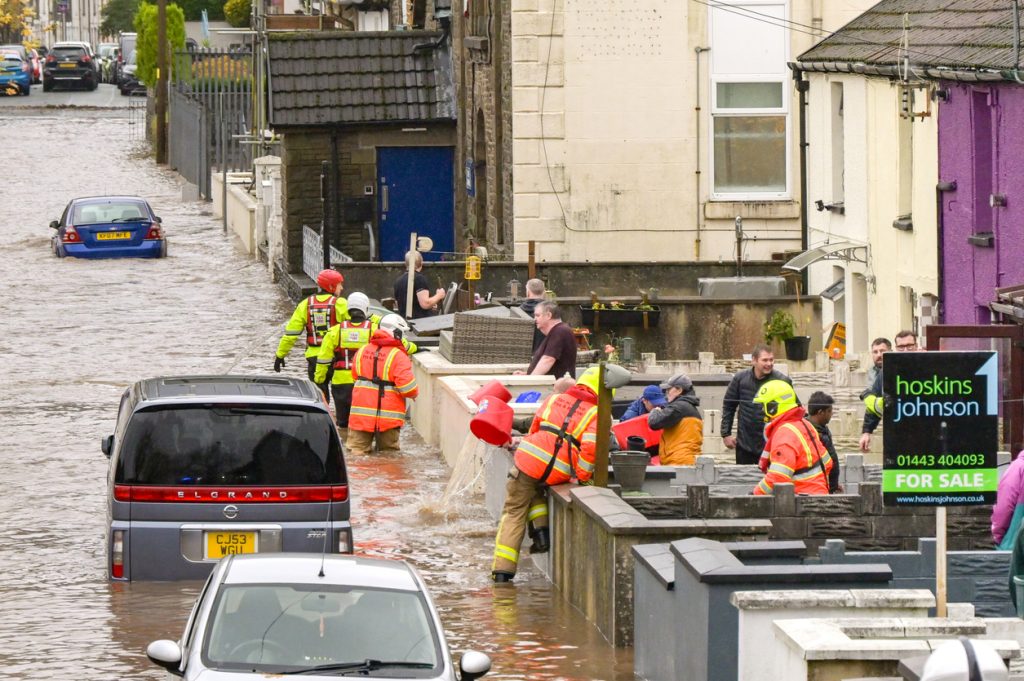
Flooding in Kogi can turn a normal delivery or transport plan into an emergency within hours. Roads that worked in the morning may become difficult to pass later, communities can be cut off, and vehicles carrying food, medicine, water, or business supplies may need to change routes at short notice.
Good Kogi flood emergency logistics is therefore less about moving fast at all costs and more about knowing what can still move safely, which routes are practical, and how to coordinate vehicles, drivers, cargo, and recipients when conditions are changing.
For households, businesses, NGOs, and relief teams, having a workable logistics plan before dispatch can prevent wasted trips and dangerous delays.
Check the Route Before Sending Any Vehicle
During serious flooding, a familiar road should never be treated as automatically usable.
Lokoja is especially important because it sits along major north-south transport corridors. Disruption around Lokoja can affect vehicles moving between Abuja and southern Nigeria, as well as deliveries heading toward towns elsewhere in Kogi.
Before dispatch, confirm:
- Current pickup and delivery locations
- Whether the normal road is still passable
- Alternative meeting or drop-off points
- Vehicle type required for the road condition
- Contact details for someone at the destination
- Whether daylight delivery is safer than late-night movement
A driver should not be pressured to enter heavily flooded sections simply because a parcel is urgent.
Prioritise Essential Cargo During Flood Emergencies
When transport capacity becomes limited, not every shipment should receive the same priority.
Emergency logistics normally works better when food, drinking water, medicines, hygiene supplies, emergency equipment, and critical business items are separated from cargo that can wait.
For example, a supermarket or distributor supplying communities around Lokoja may need to move drinking water and packaged food first while postponing non-essential stock.
Travo.ng can help coordinate cargo logistics and delivery arrangements when businesses or organisations need to organise multiple urgent movements instead of relying on separate last-minute drivers.
Use Smaller Delivery Stages When Direct Access Is Difficult
One common mistake during flooding is assuming one vehicle must complete the entire journey.
Sometimes the safer approach is to move cargo to an accessible staging point, transfer it to another suitable vehicle, or arrange collection from a location both parties can reach.
For instance, goods coming from Abuja toward an affected Kogi community may first be moved to a secure point near Lokoja rather than sending a heavily loaded vehicle directly into an uncertain road section.
This type of transport coordination can reduce vehicle breakdowns, cargo damage, and time lost repeatedly attempting inaccessible routes.
Protect Cargo From Water Before Dispatch
Flood logistics is not only a road problem. Cargo protection matters too.
Cartons that are perfectly acceptable for ordinary interstate delivery may fail quickly when exposed to rain, standing water, or repeated loading and unloading.
Important items should be sealed properly. Documents, medicines, clothing, electronics, and relief materials may need waterproof internal packaging even when they are travelling inside a covered vehicle.
Businesses moving stock should also label packages clearly so priority items can be identified quickly if cargo has to be transferred between vehicles.
Keep Drivers and Receivers in Constant Contact
Flood conditions can change faster than a normal delivery schedule.
Drivers should have working phone numbers for dispatch teams and recipients. Receivers should also be prepared for revised arrival times or alternative collection points.
This is particularly important where network coverage is unreliable or where a driver may have to turn back because water levels have increased.
Instead of promising an unrealistic fixed delivery time, emergency logistics teams should work with practical checkpoints: vehicle dispatched, route confirmed, staging point reached, cargo transferred, and delivery completed.
Kogi Flood Emergency Logistics Checklist Before Movement
Before an emergency trip begins, confirm that:
- The latest practical route has been checked
- The driver understands alternative routes
- The vehicle matches the road and cargo requirements
- Essential goods have been prioritised
- Cargo is protected against water
- Fuel is sufficient for possible diversions
- Driver and receiver phone numbers are confirmed
- A backup delivery or meeting point is available
- Night travel has been avoided where conditions are uncertain
- Someone is monitoring the movement until delivery
These checks can save more time than rushing a vehicle onto a road that later becomes impassable.
Coordinate Flood-Affected Transport With Travo.ng
Emergency movement requires flexibility. One delivery may need a different vehicle, another may require cargo transfer, while a family or organisation may need transport support rather than parcel delivery alone.
Travo.ng can support Kogi flood emergency logistics through cargo movement, courier and delivery coordination, vehicle hire, transport arrangements, relocation support, and business logistics where these services fit the situation.
When flooding disrupts normal routes, planning every movement around actual access conditions is more useful than simply looking for the fastest vehicle available. The priority should always be getting people and essential goods where they need to go without creating another emergency along the way.
