


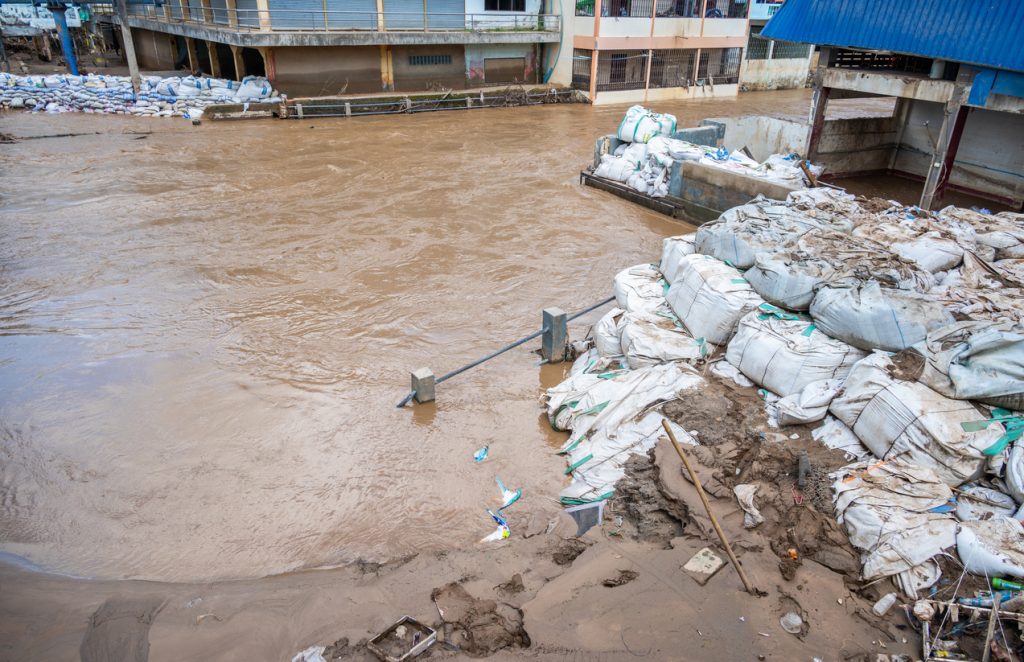
When heavy rainfall floods major roads, hospitals cannot simply stop operating. Patients still need treatment, medical supplies have to arrive, staff must reach their shifts, and urgent items may need to move between facilities. This is where dependable flood emergency services for hospitals become an important part of emergency preparedness.
In cities such as Lagos, Port Harcourt, Benin City and parts of Abuja, severe rainfall can quickly make familiar routes difficult or completely inaccessible. For a hospital, the real challenge is not only the water itself. It is maintaining movement when normal transport and delivery arrangements begin to fail.
What Hospitals Usually Need When Flooding Disrupts Access
Hospital emergency logistics can involve several movements happening at the same time.
A facility may urgently need to:
- Move medicines and medical consumables from a supplier
- Transport essential staff to or from the hospital
- Deliver laboratory samples between facilities
- Move food, water and other operational supplies
- Arrange alternative transport when normal vehicles cannot reach the premises
- Coordinate urgent pickups from warehouses or pharmacies
- Transfer non-emergency equipment between locations
Timing becomes especially important because a delivery that normally takes 45 minutes can take several hours when roads are flooded and traffic is diverted.
Travo.ng can support hospitals with transport coordination, courier services, delivery arrangements and other practical logistics services when normal movement becomes difficult.
Route Planning Matters More Than Distance During a Flood
During normal conditions, the shortest route may be the obvious choice. During flooding, it can be the worst option.
For example, a hospital receiving supplies from Ikeja to Victoria Island may normally plan around distance and Lagos traffic. After prolonged rainfall, however, the logistics team must also consider flooded junctions, drainage conditions, vehicle suitability and alternative roads.
The same principle applies in Port Harcourt, where heavy rainfall can affect access to particular neighbourhoods and industrial areas.
Good emergency transport coordination means checking the route before dispatching a vehicle rather than sending a driver into a known problem area and trying to solve the situation afterwards.
Hospitals Should Prioritise Deliveries Before Vehicles Leave
One common mistake during emergencies is treating every hospital delivery as equally urgent.
A better approach is to classify movements according to operational importance.
Critical medicines, laboratory materials, oxygen-related supplies or urgently required equipment should normally receive priority over routine stock replenishment. Staff transport may also become critical when essential personnel cannot reach the hospital because public transport has been disrupted.
This allows available vehicles and drivers to be used where they have the greatest operational impact.
Travo.ng’s business logistics support can help coordinate these movements rather than leaving different hospital departments to organise separate vehicles independently.
Vehicle Selection Can Determine Whether a Delivery Arrives
Flood conditions can make an ordinary delivery vehicle unsuitable for a particular route.
Before dispatch, hospitals and logistics coordinators should consider:
- The expected water level along the route.
- The type and size of cargo being transported.
- Whether alternative access roads are available.
- Whether the vehicle can safely reach the collection and delivery points.
- Whether the movement should be postponed because conditions are unsafe.
No delivery is important enough to justify deliberately driving through dangerously deep or fast-moving floodwater.
Where access remains safe, appropriate vehicle hire and coordinated drivers can help hospitals continue essential movements.
Prepare Before the Next Heavy Rainfall
The best time to organise flood emergency services for hospitals is before access roads become difficult.
Hospitals should identify essential suppliers, alternative collection points, priority medical items and staff transport requirements in advance. It is also useful to know which entrances remain accessible during heavy rain and which nearby roads frequently flood.
Travo.ng can provide practical transport, courier, vehicle hire and logistics coordination support for hospitals that need to keep essential operations moving during severe weather.
When flooding disrupts everyday transportation, having one coordinated logistics arrangement can make it easier to move critical supplies, organise urgent pickups and maintain access to the services a hospital needs to continue operating.
