


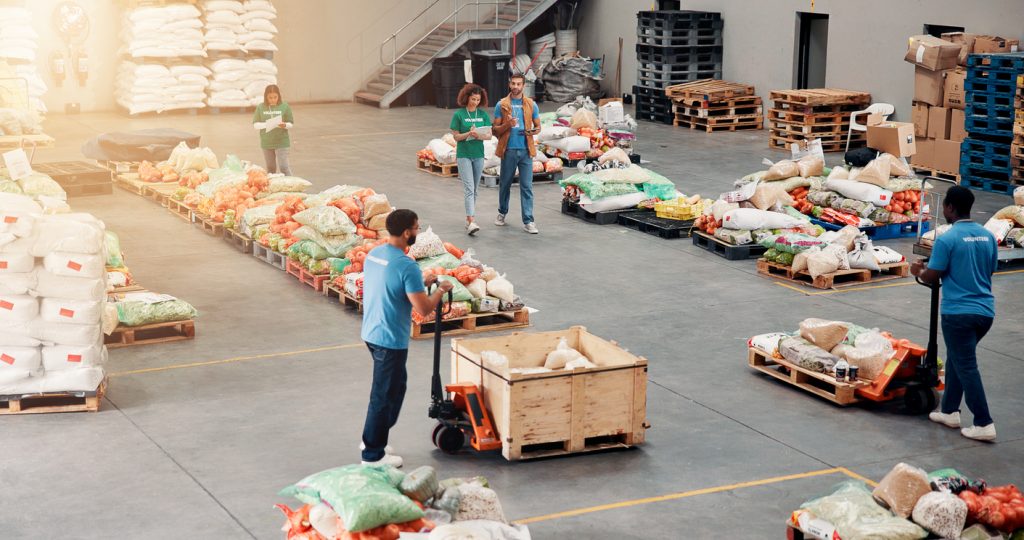
When flooding cuts off roads, bridges become unsafe, or riverine communities are isolated, moving people and relief supplies quickly becomes an operational challenge. Disaster relief ferry services Nigeria can provide an important transport option in areas where conventional road vehicles can no longer reach affected communities.
This is particularly relevant during the rainy season in states with extensive rivers, creeks and flood-prone settlements. Emergency agencies in Nigeria already rely on coordinated boat operations, local responders and waterways authorities during flood and search-and-rescue situations. Recent NEMA operations have involved collaboration with NIWA, state emergency agencies and local divers, showing how important organised water transport can become during serious incidents.
For organisations arranging humanitarian movement, Travo.ng can support the transport and logistics coordination needed around these operations, including passenger movement, relief cargo, vehicles and onward deliveries.
When Ferry Transport Becomes Necessary During a Disaster
Flooding does not have to completely submerge a town before transport becomes difficult.
A road may still be visible but unsafe for trucks. A bridge approach may wash out. Villages along the Niger, Benue or other waterways may become accessible only by boat for several days.
This can create immediate transport requirements for:
- evacuation of residents from isolated locations;
- movement of food, drinking water and medical supplies;
- transportation of emergency personnel and volunteers;
- delivery of temporary shelter materials;
- movement of generators, equipment and essential cargo;
- transfers between riverbank collection points and relief centres.
NEMA has specifically advised flood-prone communities to act early during periods of heavy rainfall and move to safer ground where necessary.
That makes transport planning before roads become completely unusable especially important.
How Disaster Relief Ferry Services Nigeria Should Be Planned
Emergency water transport is different from arranging an ordinary passenger boat trip.
The first question is usually not simply, “How many passengers are travelling?” Coordinators need to know what is being moved, where people or cargo will board, where they will disembark, the condition of the waterway and how onward transportation will continue from the landing point.
For example, relief supplies moving from Abuja towards a flooded community in Kogi may travel most of the journey by truck. If the final road connection becomes impassable, the cargo may need to be transferred at a safe staging point to suitable water transport.
This creates a multi-stage logistics operation rather than a simple ferry booking.
Travo.ng can help coordinate the connected movements, including road transport, cargo logistics, vehicle hire and delivery arrangements before or after the water crossing.
Safety Has to Come Before Speed
During emergencies, there is understandable pressure to move quickly. That should never lead to overloaded boats, unsuitable vessels or unsafe night operations.
NEMA has identified overloading, poor vessel maintenance, limited life-jacket use and night travel among recurring risks associated with inland water transport.
Before deploying any ferry or boat for relief transportation, organisers should confirm passenger capacity, appropriate safety equipment, experienced operators and suitable boarding locations.
Weather and water levels also matter. A route that worked in the morning may become considerably more difficult after several hours of heavy rainfall.
Moving Relief Supplies Without Creating a Bottleneck
Getting a boat to an affected community solves only part of the problem.
Relief cargo still has to reach the jetty or loading point.
Suppose an NGO needs to move bottled water, rice, mattresses and medical materials towards communities affected by flooding around Anambra. Large trucks may carry the supplies from Lagos or another distribution centre, but smaller vehicles may be needed near the river because access roads are narrow or damaged.
The boat capacity also needs to match the delivery schedule. Sending three truckloads of supplies to a riverbank where only a small quantity can cross at a time creates congestion and unnecessary handling.
A better operation coordinates:
road transport → staging point → ferry movement → receiving team → final distribution.
Travo.ng’s cargo logistics and transport coordination services can help organisations arrange these connected movements rather than treating each journey separately.
Preparing Before Flooding Reaches Its Peak
The best time to arrange emergency transport is often before the emergency reaches its worst stage.
Nigeria’s disaster agencies increasingly emphasise early preparation and coordinated response during the flood season. NEMA has conducted flood preparedness exercises involving evacuation, boat rescue and emergency response in vulnerable communities.
Companies, NGOs, community organisations and project teams operating around riverine locations can take the same practical approach.
Identify possible evacuation points. Estimate how many people may need transportation. Know where essential supplies will come from. Plan alternative road and water routes.
When disaster relief ferry services Nigeria are required, having these details ready can reduce delays considerably.
Travo.ng can support emergency and humanitarian transport planning through ferry or boat coordination where available, cargo movement, vehicle hire, interstate logistics and onward delivery arrangements. The objective is simple: create a workable transport chain that helps people and essential supplies reach the places where they are needed safely and efficiently.
