


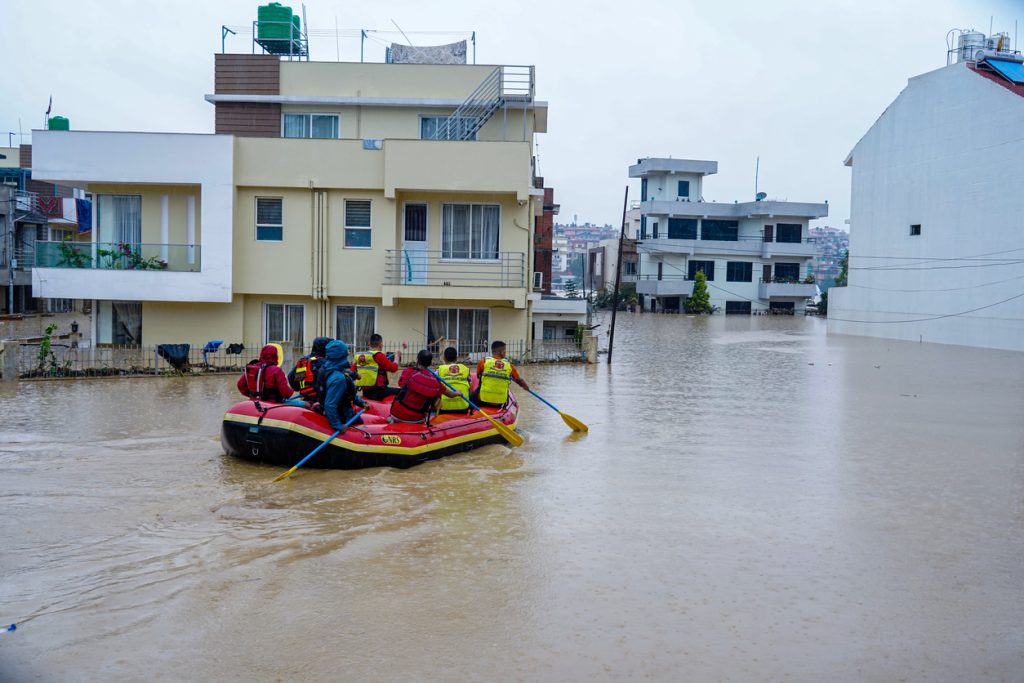
Coastal flooding can disrupt an entire neighbourhood within hours. Roads become difficult to use, vehicles get stranded, businesses cannot move stock, and families may suddenly need transport to safer accommodation. In areas such as Lagos Island, Lekki, Victoria Island, Ikoyi and other low-lying coastal communities, heavy rainfall combined with poor drainage and high water levels can quickly create serious movement problems.
Reliable coastal flooding emergency services in Nigeria therefore involve more than rescue alone. People may also need evacuation transport, emergency deliveries, vehicle coordination, temporary relocation support and logistics assistance while normal routes remain inaccessible.
Nigeria’s National Emergency Management Agency has intensified flood preparedness during the 2026 rainy season, including activating its National Emergency Operations Centre to support monitoring and coordinated response. NEMA has also advised people in flood-prone communities to act early when warnings are issued and move to safer ground where necessary.
What Usually Goes Wrong When Coastal Roads Flood
Flooding creates different problems depending on where you are.
A family living around Lekki may discover that the estate access road is already submerged while the main expressway is still passable. A business in Victoria Island may need to move important equipment before water enters its premises. Someone travelling to the airport may need an alternative pickup point because the normal route is blocked.
Typical urgent needs include:
- Moving people from flooded properties to safer locations
- Delivering food, water, medication or household essentials
- Relocating luggage and important personal belongings
- Finding vehicles that can safely operate on accessible routes
- Moving business stock before floodwater causes damage
- Arranging temporary transport and accommodation
The safest response is usually to move early rather than wait until water levels make evacuation difficult.
How Coastal Flooding Emergency Services in Nigeria Should Be Coordinated
Flood response should begin with confirming the actual situation on the ground.
The pickup location, depth of flooding, road accessibility, number of passengers and destination all matter when arranging transport. Sending an ordinary saloon car into a badly flooded street, for example, can create another emergency instead of solving one.
Travo.ng can support customers with transport coordination, vehicle hire, urgent delivery and relocation logistics where routes remain safe and accessible.
For someone evacuating from Lekki to Ikeja, for example, the job may involve arranging a suitable vehicle, confirming an accessible meeting point and coordinating luggage movement. Businesses may require vans or logistics vehicles to remove stock, computers, documents or equipment from vulnerable premises.
Official emergency agencies should still handle situations involving rescue from dangerous floodwaters, trapped persons or threats to life.
Do Not Drive Through Floodwater Just to Save Time
One of the most dangerous decisions during severe flooding is assuming a familiar road is still safe because other vehicles are attempting to cross it.
Water can hide open drains, damaged road surfaces and unexpected currents. NEMA specifically advises people not to walk or drive through floodwaters during flood emergencies.
If the road directly outside your property is unsafe, arranging a pickup from a nearby dry location may be more practical. In some cases, walking to another pickup point is also unsafe, so guidance from local emergency authorities should take priority.
Nigeria’s 2026 flood advisories have highlighted increased risk in low-lying communities, urban areas with inadequate drainage and coastal locations after periods of persistent rainfall.
Businesses Need a Flood Logistics Plan Before the Rain Gets Worse
Companies operating near Lagos coastal areas should not wait until water enters their premises before deciding what to move.
Important documents, stock, electronics and delivery vehicles can often be repositioned earlier when heavy rainfall or flooding is expected.
A simple emergency logistics plan should identify:
- Which goods or equipment must be moved first.
- Where they can be temporarily stored.
- Which staff members require transport.
- Alternative pickup and delivery locations.
- Suitable vehicles for the available routes.
Travo.ng can assist with business logistics support, cargo movement, courier deliveries and vehicle coordination when companies need to reposition essential items quickly.
Arrange Transport Before Access Roads Become Impassable
Flooding conditions can change rapidly, particularly after several hours of continuous rain.
If evacuation is recommended, moving before roads become severely flooded usually gives families and businesses more transport options. Temporary hotel reservations, airport pickups, relocation transport and essential deliveries can also be coordinated as part of the wider movement plan.
For immediate danger, trapped persons or active rescue situations, contact the appropriate government emergency authorities. For practical transport, delivery and relocation needs around a flooding incident, Travo.ng can help coordinate available logistics and mobility services so people and essential items can be moved as safely and efficiently as conditions allow.
