


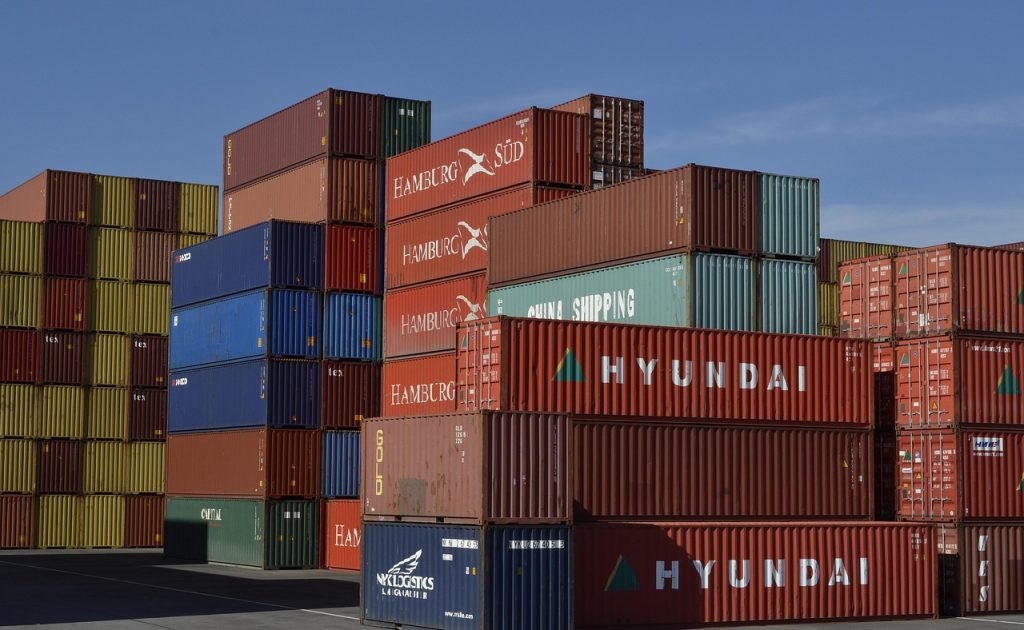
Importing from Dubai to Nigeria has become one of the most popular trade routes for small and medium-scale importers in Lagos, Abuja, and Port Harcourt. For many traders, Dubai is not the final production point — it is a sourcing and consolidation hub where goods from China, Turkey, India, and Europe are collected and shipped into Nigeria.
What makes this route attractive is speed, accessibility, and the ability to physically inspect goods before shipping. But the same convenience is also where many importers quietly lose money through hidden costs, poor supplier choices, and weak logistics planning.
Why Dubai Is a Major Import Hub for Nigerian Traders
Dubai functions as a global redistribution center. Goods arrive in bulk, are stored in warehouses or free zones, then resold or re-exported.
For Nigerian importers, Dubai offers:
- Easy access to multiple product categories in one location
- English-speaking trade environment
- Faster buying cycles compared to China factory sourcing
- Ability to inspect goods physically before payment or shipment
- Flexible consolidation of mixed goods into one shipment
A typical Lagos trader who would struggle to source directly from multiple Chinese factories can instead visit Dubai markets or warehouses and buy everything in one coordinated transaction.
What Nigerians Commonly Import from Dubai
The Dubai–Nigeria route is active across several fast-moving product categories:
- Fashion items and boutique clothing
- Perfumes and cosmetics
- Electronics and phone accessories
- Small home appliances
- Auto parts and vehicle accessories
- Building materials and interior fittings
- Solar and energy products
- Household goods and kitchenware
Most of these products are not made in Dubai. They are re-exported goods originally manufactured in China, Turkey, India, or Europe.
How Import from Dubai to Nigeria Actually Works
The process usually follows a structured trade flow:
- Goods are sourced globally and shipped into Dubai
- Items are stored in warehouses or free zones
- Trading companies sort, repackage, or consolidate goods
- Nigerian buyers purchase in bulk or mixed categories
- Cargo is shipped from Dubai to Nigeria via air or sea freight
Main shipping options include:
- Air freight (3–7 days, faster but more expensive)
- Sea freight (20–40 days, cheaper for bulk goods)
- Door-to-door cargo services (popular for SMEs and small traders)
Many importers prefer consolidated cargo where multiple buyers share container space to reduce costs.
Real Costs of Importing from Dubai to Nigeria
One of the biggest mistakes importers make is underestimating total landed cost.
Beyond product price, you must factor:
- Supplier markup in Dubai (since goods are re-exported)
- Warehouse handling and storage fees
- Consolidation and repackaging charges
- Air or sea freight costs
- Nigerian customs duties and clearance charges
- Local transport from Lagos ports to final destination
A product that costs $10 at origin (China or Turkey) may land in Nigeria at $15–$20 depending on the Dubai supply chain layers involved.
Why Many Importers Prefer Dubai Over Direct China Sourcing
Even though China is cheaper at factory level, many Nigerian traders still choose Dubai because of operational simplicity.
Key reasons include:
1. Faster Buying Cycle
No need for long factory negotiation or production timelines.
2. Physical Inspection
Buyers can see goods before committing.
3. Easier Communication
Most Dubai traders understand African market expectations and speak fluent English.
4. Mixed Product Access
One trip can cover fashion, electronics, cosmetics, and more.
Common Mistakes Importers Make When Buying from Dubai
Despite its convenience, many importers still lose money due to avoidable errors:
- Assuming Dubai suppliers are manufacturers
- Not checking original country of production
- Overpaying due to multiple trading layers
- Ignoring quality differences in similar-looking goods
- Poor cargo consolidation decisions
- Lack of documentation planning before shipping
A common Lagos scenario: an importer buys “premium electronics” in Dubai only to later find identical items cheaper directly from China, because Dubai added extra trading margins.
Shipping and Timeline Reality from Dubai to Nigeria
The import process is usually predictable when properly managed:
- Air freight: 3–7 days
- Sea freight: 20–40 days
- Lagos port clearance: 2–14 days depending on inspection
- Final delivery: 1–5 days depending on location
Delays often occur due to:
- Incorrect documentation
- Misclassified HS codes
- Port congestion in Apapa or Tin Can Island
- Random customs inspections
Proper paperwork is just as important as product selection in this route.
Dubai vs China: Which Route Makes More Sense?
Both routes serve different types of importers:
Dubai is better when:
- You need fast restocking
- You want physical inspection before buying
- You import small to medium mixed goods
- You are testing new products
China is better when:
- You want factory-level pricing
- You need customization or OEM branding
- You are importing in large bulk
- You are building long-term supply chains
Many experienced Nigerian importers combine both routes depending on urgency and product type.
How Smart Importers Manage Risk in Dubai Imports
Experienced importers treat Dubai as a sourcing and consolidation hub, not just a buying location.
They typically:
- Verify product origin before purchase
- Compare Dubai prices with direct China alternatives
- Inspect goods physically before payment
- Consolidate shipments to reduce freight cost
- Align imports with Nigerian market demand cycles
On the Nigeria side, logistics execution becomes critical — especially for importers distributing goods across Lagos, Abuja, and other commercial hubs.
This is where structured logistics coordination platforms like Travo.ng help businesses manage cargo movement, delivery scheduling, and last-mile distribution after goods arrive from Dubai into Nigeria.
Final Insight: Dubai Is a Trade Shortcut, Not a Production Source
Importing from Dubai to Nigeria is not about factory production — it is about access, speed, and consolidation.
Dubai’s strength lies in organizing global goods into a simplified trade experience for African buyers.
The importers who succeed are not those chasing the cheapest product, but those who understand how Dubai fits into the global supply chain — and use it strategically.
