


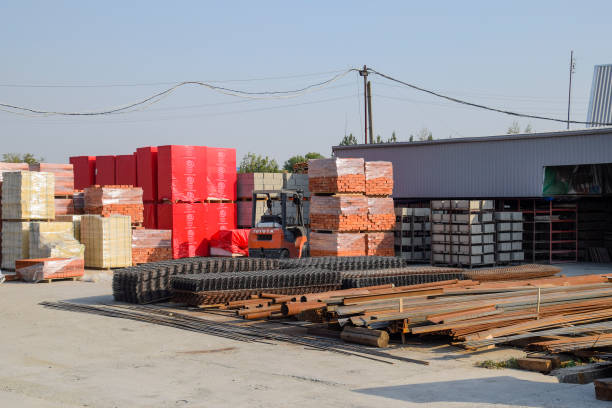
Importing building materials from China has quietly become one of the most important supply channels for Nigeria’s construction industry. Walk through new estates in Lagos, hotel projects in Abuja, or commercial buildings in Port Harcourt, and you’ll find a large portion of finishing materials, fittings, and even structural components originally sourced from Chinese manufacturers.
But while the opportunity is huge, this is also one of the easiest import categories to miscalculate—because building materials behave differently from electronics or general goods. You are not just importing products; you are importing materials that directly affect safety, durability, and project timelines.
Why Chinese Building Materials Dominate Nigerian Construction Projects
The construction industry in Nigeria relies heavily on imported materials for three main reasons:
- Local production cannot yet meet full demand at scale
- China offers a wide range of price-quality tiers for different project budgets
- Availability of both bulk structural materials and luxury finishing products
Commonly imported building materials include:
- Ceramic and porcelain tiles
- Sanitary ware (toilets, sinks, bathroom fittings)
- Doors, windows, and aluminum profiles
- Ceiling materials (PVC, gypsum boards)
- Lighting fixtures and electrical fittings
- Kitchen cabinets and modular fittings
- Steel, roofing sheets, and structural components
For many contractors in Lagos and Abuja, importing is not optional—it is how they meet client expectations for modern finishes at competitive prices.
The Real Difference Between Cheap and Reliable Building Materials
One of the biggest mistakes importers make is assuming all building materials that look similar perform the same way.
For example:
Two containers of “polished porcelain tiles” may look identical in photos, but:
- One may be double-fired and highly durable
- The other may chip easily under pressure or moisture
- One may maintain color consistency
- The other may fade after installation
In Nigeria’s humid and high-traffic environments, these differences become visible quickly—often after installation, when replacement becomes expensive and disruptive.
A contractor in Lekki once completed a high-end apartment project using low-grade imported tiles. Within six months, multiple units had visible cracks and discoloration, leading to client disputes and renovation costs that wiped out profit margins.
Why Many Importers Misjudge Building Material Quality from China
Most sourcing mistakes happen before goods even leave China.
Common issues include:
- Ordering based on catalog images without physical samples
- Ignoring thickness, density, or material grade specifications
- Not confirming water absorption rate for tiles
- Overlooking weather resistance for exterior materials
- Accepting “similar” products instead of exact specifications
In China, suppliers often present multiple quality levels of the same product category. Without proper verification, importers unknowingly select lower-grade versions that are not suitable for Nigerian conditions.
Shipping Building Materials: Why Logistics Becomes a Major Cost Factor
Unlike electronics or clothing, building materials are heavy, bulky, and often fragile. This makes logistics one of the biggest cost drivers.
Typical realities include:
- Sea freight is almost always required for cost efficiency
- Containers must be carefully packed to avoid breakage
- Weight affects shipping rates significantly
- Breakage during transit directly impacts profitability
Estimated timelines:
- Factory production: 15–40 days depending on order size
- Sea freight from China to Lagos: 30–55 days
- Port clearance in Nigeria: 5–20 days depending on documentation and inspection
- Final delivery to site: 1–7 days depending on location
Delays often happen at Nigerian ports when documentation is incomplete or cargo is randomly selected for inspection.
Hidden Costs That Surprise First-Time Importers
Many people calculate only product cost and shipping, but building materials come with additional costs that can significantly affect project budgets.
These include:
- Customs duties and import levies
- Port handling and demurrage charges
- Inland transportation to construction sites
- Storage costs if delivery is delayed
- Replacement costs for damaged goods
- Currency fluctuation between order and payment
A Lagos importer who budgets only $20,000 for tiles may end up spending significantly more after clearance, transport, and handling costs are added.
Which Building Materials Perform Best in the Nigerian Market
Not all imported materials perform equally well under Nigerian conditions.
High-demand and stable-performing categories include:
- Ceramic and porcelain tiles (mid to high grade)
- PVC ceiling panels and decorative ceilings
- Aluminum windows and doors
- Stainless steel kitchen and bathroom fittings
- LED lighting systems
- Prefabricated interior fittings
These materials are popular because they balance durability, aesthetics, and cost efficiency for residential and commercial projects.
Why Quality Control Matters More Than Price in Construction Imports
In building materials, poor quality is not just a financial loss—it becomes a structural problem.
Common failures include:
- Tiles cracking under pressure
- Bathroom fittings rusting quickly
- Doors warping due to humidity
- Electrical fittings overheating or failing
- Poor adhesive compatibility during installation
Unlike fast-moving consumer goods, construction materials cannot easily be “resold” once installed. A mistake at the import stage often turns into a permanent structural issue.
How Experienced Importers Manage Risk in Building Material Imports
Professional importers don’t rely on trust alone. They build systems around verification and logistics.
They typically:
- Request physical samples before bulk orders
- Conduct factory verification or use sourcing agents in China
- Inspect goods before shipment
- Consolidate multiple building material orders into one container
- Match materials to specific project requirements (residential vs commercial)
- Plan shipping timelines around construction phases
On the Nigeria side, logistics coordination becomes critical—especially when materials need to move from Lagos ports directly to construction sites in places like Abuja, Ibadan, or emerging estates in Epe and Ibeju-Lekki.
This is where structured logistics coordination platforms like Travo.ng help importers manage cargo movement, delivery scheduling, and last-mile transportation so construction timelines are not disrupted by port delays or fragmented handling.
Final Insight: Building Material Importation Is a Project Management Decision
Importing building materials from China is not just procurement—it is project planning.
Every decision affects:
- Construction timelines
- Structural quality
- Client satisfaction
- Profit margins
- Long-term reputation of contractors and developers
The most successful importers in Nigeria are not the ones who find the cheapest suppliers—they are the ones who align sourcing, logistics, and project execution into one controlled system.
When that system is in place, importing building materials becomes a scalable advantage in Nigeria’s fast-growing construction market.
