


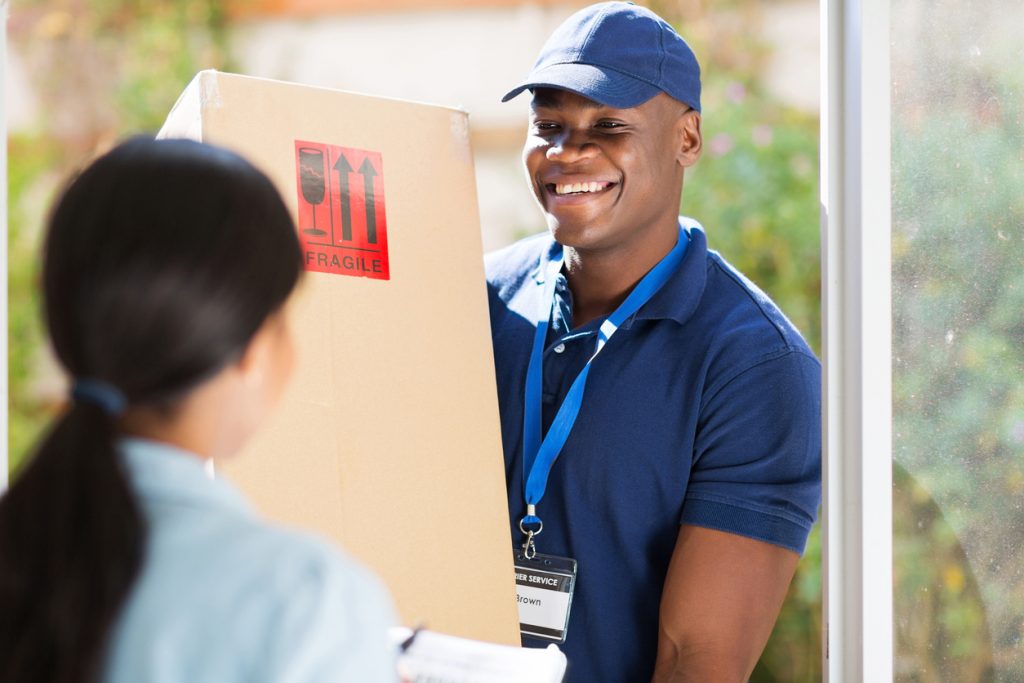
Market delivery service in Nigeria refers to the transportation of goods from local markets directly to homes, offices, restaurants, shops, or warehouses using dispatch riders, vans, and courier networks.
This service has become essential in cities like Lagos, Abuja, Ibadan, Port Harcourt, Kano, and Onitsha, where crowded markets, heavy traffic, and long travel times make physical shopping stressful and time-consuming.
Travo.ng explains this as part of a market-to-door logistics system that connects traditional market trading with modern last-mile delivery operations.
1. What Is a Market Delivery Service?
It is a logistics process where:
- Goods are sourced or picked up from a market
- Items are packaged and prepared for transport
- A courier or delivery vehicle moves them directly to the customer
👉 Customers can shop remotely without physically visiting the market.
2. Types of Market Delivery Services in Nigeria
🛒 Foodstuff market delivery
- Rice, beans, yam, garri
- Vegetables and fresh produce
- Palm oil, spices, and groceries
👗 Fashion and textile market delivery
- Clothing materials
- Shoes and bags
- Wholesale fashion items
🔧 Spare parts and equipment delivery
- Auto parts
- Electrical supplies
- Plumbing and building materials
📦 Wholesale and SME supply delivery
- Bulk stock movement
- Retail shop restocking
- Restaurant and hotel supply logistics
3. How Market Delivery Works
- Customer sends order or shopping list
- Market vendor or procurement agent prepares goods
- Dispatch rider or delivery vehicle is assigned
- Goods are picked up from the market
- Delivery is routed to customer location
- Customer confirms receipt upon arrival
4. Major Markets Commonly Used for Delivery
Lagos
- Mile 12 Market
- Balogun Market
- Oyingbo Market
- Trade Fair Complex
- Ladipo Market
Abuja
- Wuse Market
- Garki Market
Other cities
- Onitsha Main Market
- Ariaria Market (Aba)
- Bodija Market (Ibadan)
- Sabon Gari Market (Kano)
5. Delivery Vehicles Used
🏍️ Motorcycles
- Best for small and urgent orders
- Fast in congested urban traffic
🚗 Cars
- Used for medium-sized and fragile goods
- Better security and item protection
🚐 Vans and trucks
- Used for wholesale and bulk market deliveries
- Common for SME and commercial logistics
6. Benefits of Market Delivery Services
- Saves time and transport stress
- Reduces exposure to crowded markets
- Supports remote and online shopping
- Enables faster restocking for businesses
- Improves convenience for households and SMEs
7. Challenges in Market Logistics
- Traffic congestion around major markets
- Difficulty locating shops or vendors
- Product substitution or pricing changes
- Packaging damage during transport
- Weather delays during rainy seasons
8. Who Uses Market Delivery Services?
- Families and households
- Restaurants and food vendors
- Retail shop owners
- Online sellers and e-commerce vendors
- Wholesalers and distributors
- Busy professionals and students
9. Best Practices for Reliable Market Delivery
- Provide accurate vendor or shop details
- Confirm item quantity and pricing in advance
- Use secure packaging for fragile items
- Schedule pickups early in the day
- Track deliveries for accountability and transparency
10. Travo.ng Logistics Insight
From a logistics perspective, market delivery services are a major part of Nigeria’s urban commerce infrastructure, where:
- Traditional markets function as decentralized supply hubs
- Dispatch riders connect markets to end consumers
- Last-mile delivery determines customer convenience
- Efficient routing reduces delivery time and cost
Travo.ng supports this ecosystem by enabling structured market sourcing, reliable dispatch coordination, and fast door-to-door delivery across Nigeria’s commercial cities.
