


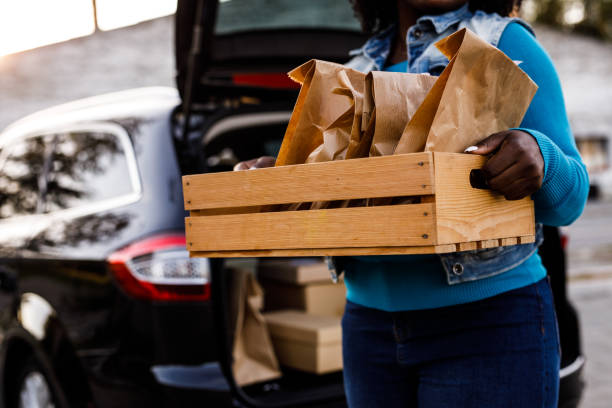
Food delivery logistics in Nigeria is not as simple as picking up food and dropping it off. Anyone who has tried to move hot meals across Lagos traffic, deliver groceries in Abuja, or send bulk food items from one city to another knows that timing, packaging, rider coordination, and route planning all matter.
For restaurants, food vendors, supermarkets, caterers, and online food businesses, a late delivery can mean more than an unhappy customer. It can mean spoiled food, refund requests, bad reviews, and lost repeat business. That is why working with a delivery partner that understands Nigerian roads, customer expectations, and food handling is important.
Travo.ng supports individuals and businesses with practical delivery and logistics services that make food movement easier, safer, and more reliable.
What Makes Food Delivery Different From Normal Parcel Delivery
Food is time-sensitive. A phone accessory can sit in traffic for three hours and still arrive in good condition. A plate of jollof rice, small chops, soup bowl, frozen chicken, or birthday food tray cannot be treated the same way.
Food delivery requires attention to:
- Pickup timing
- Proper packaging
- Heat retention or cold storage needs
- Spill prevention
- Fast route selection
- Customer availability
- Clear delivery instructions
In cities like Lagos, Abuja, Port Harcourt, Ibadan, and Benin, delays can happen quickly. Rain, fuel queues, road repairs, estate gate checks, and traffic around areas like Lekki, Ikeja, Wuse, Gwarinpa, or Gbagada can affect delivery times.
This is why food delivery logistics in Nigeria works best when it is planned properly, not handled casually.
Common Food Delivery Problems Nigerian Businesses Face
Many food vendors start by using random riders or calling dispatch services only when orders come in. This may work for a few orders, but it becomes stressful as demand grows.
Common issues include:
- Riders arriving late for pickup
- Food spilling because packaging was not secured
- Customers refusing cold meals
- Poor communication between vendor, rider, and customer
- Deliveries getting delayed during peak traffic
- No clear plan for multiple orders in different locations
- Difficulty handling bulk or corporate food deliveries
For example, a vendor in Yaba sending lunch packs to Victoria Island must consider Third Mainland Bridge traffic, pickup time, and whether the customer needs delivery before 1pm. A caterer sending food trays from Surulere to Lekki Phase 1 needs a delivery option that can protect the food and arrive within a realistic time window.
How Travo.ng Helps With Food Delivery Logistics
Travo.ng provides delivery and logistics support for food vendors, businesses, and individuals who need dependable movement of meals, groceries, and food-related items.
Depending on the delivery need, Travo.ng can assist with:
- Same-day food delivery
- Scheduled meal dispatch
- Grocery delivery
- Bulk food movement
- Corporate lunch deliveries
- Event food logistics
- Delivery coordination for restaurants and vendors
- Intercity cargo support for packaged food items
This is useful for businesses that do not want to manage riders directly but still need reliable delivery support. Instead of struggling with last-minute dispatch arrangements, vendors can schedule movement more confidently.
Realistic Delivery Timing in Nigerian Cities
A good food delivery plan should be honest about timing. Not every delivery can arrive in 20 minutes, especially in major Nigerian cities.
In Lagos, short-distance food delivery within the same area may take 30 to 60 minutes, depending on traffic and pickup readiness. Cross-city movement, such as Ajah to Ikeja or Surulere to Lekki, may take 1 to 2 hours or more during peak periods.
In Abuja, routes are often smoother, but distance still matters. Deliveries from Gwarinpa to Central Area or Lugbe to Wuse need proper scheduling.
For bulk orders, it is better to prepare earlier and arrange pickup before heavy traffic periods. Morning deliveries, office lunch orders, and evening food movement should not be treated the same way.
Tips Before Sending Food for Delivery
Before handing food over for dispatch, vendors and customers should check a few things:
- Use tight, spill-resistant packaging
- Separate soups, sauces, and drinks properly
- Label multiple orders clearly
- Confirm the customer’s phone number and address
- Avoid vague locations like “near the gate” without details
- Schedule early for office, event, or bulk deliveries
- Tell the logistics provider if the food is fragile, frozen, or hot
Small details like these reduce failed deliveries and customer complaints.
When Businesses Should Use Professional Food Logistics
If you only send one or two food orders a week, informal delivery may seem enough. But once orders become frequent, professional support becomes necessary.
You should consider structured food delivery logistics if you:
- Run a food business with daily orders
- Deliver to offices or corporate clients
- Handle catering jobs
- Sell frozen foods or groceries
- Need scheduled deliveries
- Receive complaints about late arrivals
- Want to serve customers outside your immediate area
Travo.ng gives businesses a more organized way to move food items without wasting time chasing riders or explaining routes repeatedly.
Making Food Delivery Easier Across Nigeria
Food delivery logistics in Nigeria requires local knowledge, patience, and proper coordination. It is not just about speed. It is about getting the food to the right person, in good condition, within a realistic delivery window.
Whether you are a restaurant owner in Lagos, a caterer in Abuja, a grocery seller in Port Harcourt, or a customer sending food to family, Travo.ng can help you arrange practical delivery support.
With Travo.ng, you can book delivery services, coordinate logistics, and manage food movement more confidently across Nigerian cities.
