


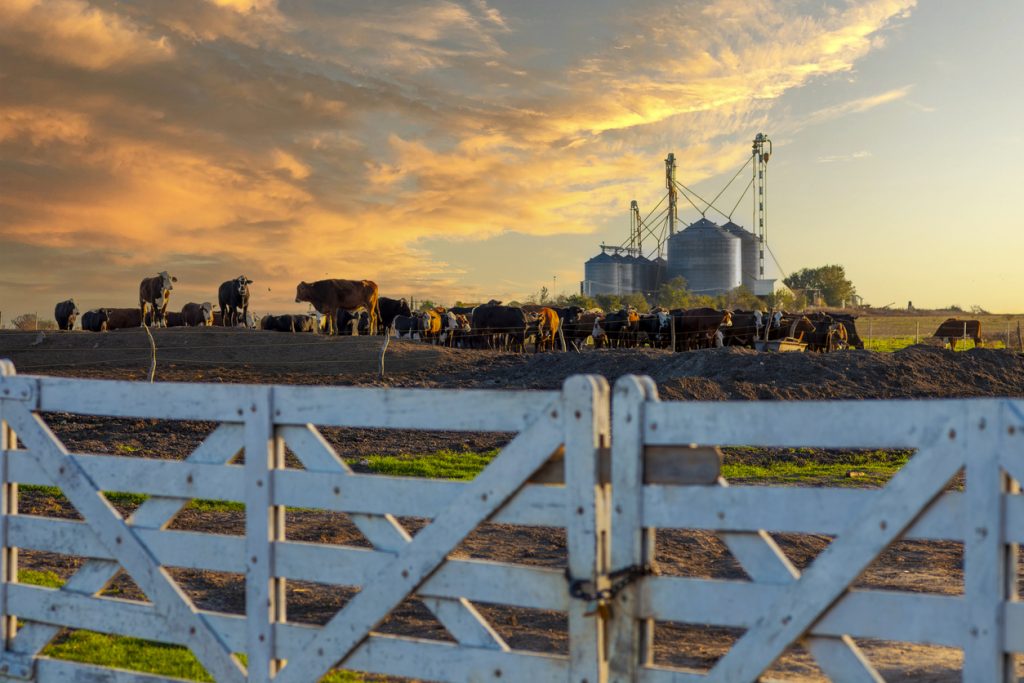
Expanding a farm in Nigeria involves much more than finding extra land and increasing production. Good farm expansion planning also requires careful decisions about transport, storage, equipment movement, access roads, labour, input supply, and how harvested produce will reach buyers without unnecessary losses.
These logistics questions become more important as a farm grows. A poultry farm outside Ibadan adding another production site, for example, may need regular feed deliveries, vehicle access for workers and refrigerated movement for certain products. A crop farmer expanding from 20 hectares to 60 hectares may suddenly need larger trucks, additional storage and more reliable routes to markets in Lagos, Abuja or neighbouring states.
Planning these movements early can prevent expensive operational problems later.
Check Transport Access Before Expanding the Farm
One of the first things to examine is how easily vehicles can reach the new location.
Some agricultural areas have good road access during the dry season but become difficult for loaded trucks during heavy rainfall. A road that works for a small pickup carrying fertiliser may not handle a fully loaded 10-tonne truck carrying harvested crops.
Before committing heavily to a new location, consider:
- Distance from the farm to major roads
- Road condition during rainy months
- Availability of trucks in the area
- Distance to processing centres or major markets
- Fuel availability nearby
- Suitable loading and unloading areas
These details directly affect the eventual cost of moving produce.
Plan How Farm Inputs Will Reach the New Site
Expansion normally means higher demand for seeds, feed, fertiliser, chemicals, machinery, packaging materials and spare parts.
Instead of arranging these deliveries individually whenever supplies run low, growing farms often benefit from scheduled logistics.
For example, a farm operating around Abeokuta may consolidate supplies from Lagos into one planned truck movement rather than paying for several smaller deliveries during the week.
Travo.ng can support agricultural businesses with cargo logistics, vehicle coordination and delivery arrangements for farm supplies moving between Nigerian cities and rural operating locations.
Farm Expansion Planning Should Include Harvest Logistics
Many expansion plans concentrate heavily on production capacity while underestimating what happens after harvest.
If output doubles but transport capacity stays the same, produce may remain on the farm longer than expected. This is especially risky for tomatoes, vegetables, fruits, poultry products and other goods with limited shelf life.
Farm managers should estimate expected harvest volumes and determine:
- How many tonnes may need to leave the farm daily or weekly.
- Which vehicle sizes will be required.
- Where produce will be stored before dispatch.
- Which markets or processing facilities will receive it.
- How quickly vehicles can make a return trip.
For farms supplying Lagos markets from Ogun, Oyo or neighbouring states, departure timing also matters. A truck arriving during peak Lagos traffic can spend hours covering the final part of the journey.
Moving Machinery Requires Its Own Logistics Plan
Farm growth often comes with additional tractors, harvesters, generators, irrigation systems, tanks and processing equipment.
Moving heavy agricultural machinery is different from delivering cartons or sacks. Vehicle capacity, loading method, equipment dimensions and road conditions all need to be considered.
Trying to use an unsuitable truck simply because it is cheaper can lead to equipment damage, roadside delays or additional loading costs.
Travo.ng can help coordinate suitable transport for farm equipment and other bulky agricultural cargo, particularly when machinery needs to move between cities or from a supplier to a rural project site.
Do Not Ignore Storage When Production Increases
More production creates pressure on existing storage facilities.
Before expanding, calculate whether current warehouses, cold rooms or temporary storage areas can handle the expected increase. Even when produce is scheduled for immediate dispatch, transport delays can happen.
Rainfall, vehicle breakdowns, traffic congestion and sudden changes in buyer collection schedules can all affect movement.
Having sufficient storage gives the farm more flexibility instead of forcing management to accept poor transport arrangements simply because produce must leave immediately.
Build Logistics Into the Expansion Budget
A realistic farm expansion budget should include more than land preparation, seedlings, livestock or machinery.
Transport expenses can include truck hire, loading labour, packaging, equipment relocation, delivery coordination and repeated movement of agricultural inputs.
Businesses expanding into several locations should also consider whether centralized deliveries would reduce costs.
With proper farm expansion planning, logistics becomes part of the growth strategy rather than an emergency expense after production has already increased.
Travo.ng supports farms and agricultural businesses with cargo movement, delivery services, vehicle hire and transport coordination across Nigeria. Planning these movements alongside production helps create an operation that can grow without allowing transportation problems to become the next major bottleneck.
