


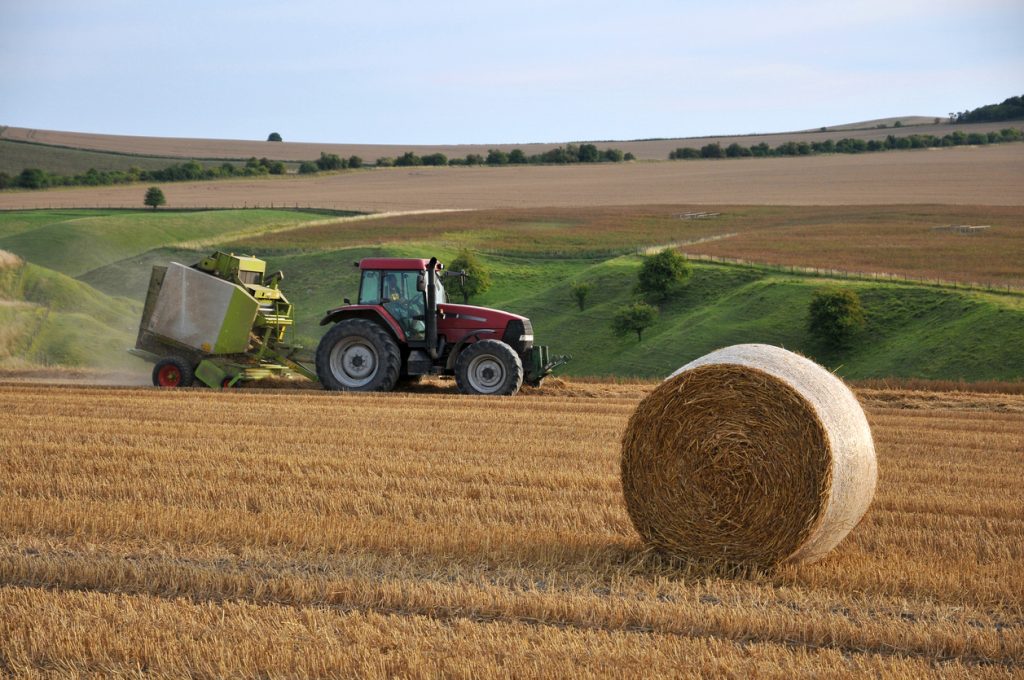
Running a commercial farm in Nigeria involves far more than planting, harvesting and selling. Large farms also have to manage workers, input deliveries, storage, transport, fuel, machinery movement and the daily challenge of getting produce to buyers without unnecessary losses.
This is where commercial farm analytics becomes useful. Instead of making operational decisions mainly from experience or estimates, farm owners can use real data to understand production, logistics costs, delivery performance and areas where money is being lost.
For farms supplying markets, processors, supermarkets or distributors in cities such as Lagos, Abuja, Ibadan, Kano and Port Harcourt, better information can make day-to-day operations much easier to control.
What Commercial Farm Analytics Should Actually Track
Useful farm analytics should go beyond recording how many tonnes were harvested. A commercial operation needs visibility across the entire movement of goods.
Important information may include:
- Harvest volumes from different farm sections
- Cost of transporting inputs and produce
- Delivery times to customers or warehouses
- Fuel consumption for farm and logistics vehicles
- Vehicle utilisation and empty return trips
- Storage losses and spoilage
- Customer order volumes
- Seasonal demand changes
- Cost per tonne or crate delivered
For example, a tomato farm around Kano may discover that transporting produce to Lagos during certain periods creates higher spoilage because of loading delays and long road transit times. That information can help management change dispatch schedules, packaging or transport arrangements.
Farm Logistics Data Can Reveal Hidden Costs
Transport is often one of the largest operating expenses for commercial farms.
Consider a farm moving maize, vegetables or poultry products from an agricultural location outside Ibadan to customers in Lagos. The quoted truck rate is only one part of the real delivery cost.
There may also be expenses for loading labour, fuel adjustments, overnight delays, vehicle waiting time and damaged produce.
With proper commercial farm analytics, managers can compare these costs from one trip to another. If one transport route regularly produces delays or unusually high expenses, the business has evidence to change the arrangement rather than simply accepting the losses.
Travo.ng can support farms that need coordinated cargo logistics, vehicle hire or transport arrangements for agricultural products and operational supplies.
Timing Matters When Moving Fresh Produce
Analytics becomes even more valuable when the farm handles perishable goods.
Fresh vegetables harvested early in the morning may need to reach a Lagos distributor the same day, while poultry products or dairy may require stricter temperature and delivery planning.
The farm should know:
- Average loading time
- Typical journey duration
- Delivery delays by route
- Percentage of goods arriving damaged
- Peak traffic periods
- Number of successful deliveries per vehicle
For Lagos-bound deliveries, arriving around major traffic periods can add hours to a trip. A farm that studies previous delivery records can schedule vehicles more intelligently instead of repeatedly entering congested areas at the worst time.
Planning Inputs Before They Become Emergencies
Commercial farming also depends heavily on inbound logistics.
Seeds, fertiliser, animal feed, packaging materials, machinery parts and other supplies must arrive when needed. A delay during planting or harvesting season can affect the entire production cycle.
Analytics can help farm managers identify which supplies frequently arrive late and how much emergency sourcing costs the business.
Instead of waiting until feed, packaging or spare parts are nearly exhausted, managers can combine inventory information with expected delivery timelines.
Where transport is required, Travo.ng can help coordinate courier services for smaller farm supplies or larger cargo movement for bulk agricultural inputs.
Better Data Makes Expansion Easier to Manage
A small farm can sometimes operate successfully through close supervision. A large commercial operation cannot rely on memory alone.
As farms expand into multiple locations, warehouses or distribution points, commercial farm analytics helps management compare performance across operations.
A farm supplying Abuja, Lagos and Port Harcourt can see which markets generate the best margins after transport and delivery costs are included.
That creates a more realistic basis for deciding where to expand, which routes need better transport planning and whether additional storage or vehicles are necessary.
For Nigerian commercial farms, good analytics is not simply about producing attractive reports. It should lead to practical decisions that reduce waste, control logistics costs and improve delivery reliability.
When those decisions involve moving farm inputs, produce, equipment or personnel, Travo.ng can provide the transport coordination, delivery and cargo logistics support needed to turn the data into smoother daily operations.
