


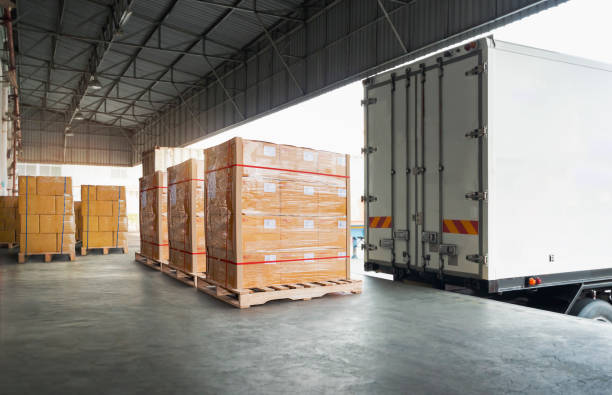
Moving goods by rail can be a practical option for businesses transporting large volumes across Nigeria, but getting the cargo off the train and into the next stage of delivery is where delays often happen. Rail cargo clearance Nigeria involves more than simply collecting goods from a terminal. Documentation, cargo verification, terminal procedures, handling arrangements and onward transport all need to line up properly.
For importers, distributors and businesses moving bulk goods between major commercial locations, a small delay at the rail terminal can affect warehouse schedules, customer deliveries and production plans.
Travo.ng helps businesses coordinate cargo logistics, clearance support and onward transportation so goods can move from the rail terminal to their final destination with fewer unnecessary complications.
What Happens When Your Cargo Arrives at a Rail Terminal
Once rail freight reaches its destination terminal, several things may need to happen before the cargo can leave.
Depending on the shipment, this may include checking transport documents, confirming cargo details, arranging handling equipment and preparing a suitable vehicle for collection.
The process becomes more complicated when the cargo is bulky, palletised or meant for immediate delivery to another city.
For example, a business receiving goods through a rail terminal in Lagos may still need trucks to move the cargo to warehouses in Ikeja, Apapa, Lekki, Ogun State or other distribution locations.
Planning this final movement before the train arrives can prevent avoidable storage and handling delays.
Documents That Can Delay Rail Cargo Clearance Nigeria
Documentation mistakes are one of the easiest ways to lose time during cargo clearance.
Businesses should confirm that shipment information matches the actual cargo being transported. Incorrect descriptions, missing references or unclear consignee information can create additional verification steps.
Before arranging collection, check details such as:
- Cargo description and quantity
- Consignee or receiving company information
- Rail transport documentation
- Delivery instructions
- Terminal collection requirements
- Vehicle and driver details where required
Businesses handling regular freight movements should keep these records organised rather than trying to resolve documentation issues only after the cargo arrives.
Arrange Onward Transport Before the Cargo Is Released
One common logistics mistake is clearing cargo first and searching for transport afterwards.
That approach can create unnecessary waiting time.
If you already know that 15 tonnes of goods will arrive at a terminal, the right vehicle should ideally be arranged before release. The vehicle type will depend on the cargo, volume, packaging and final destination.
A shipment moving from Lagos to an industrial location in Ogun State may require a different arrangement from cargo continuing to Abuja or another interstate destination.
Travo.ng can support this stage through cargo logistics, transport coordination, delivery services and business logistics support, helping businesses connect clearance activities with actual delivery.
How Long Rail Cargo Collection Can Take
There is no single clearance timeline that applies to every shipment.
Straightforward cargo with complete documentation and available transport may move quickly, while shipments requiring additional verification, special handling or multiple vehicles can take longer.
Traffic outside the terminal also matters.
In Lagos, clearing cargo successfully does not necessarily mean it will reach the receiving warehouse immediately. Heavy traffic around major logistics corridors can add hours to the final delivery.
This is why businesses should plan the entire journey rather than treating terminal clearance and road delivery as separate operations.
Costs to Prepare for Before Collecting Rail Freight
Rail cargo movement may involve more than the original freight charge.
Depending on the shipment and terminal arrangement, businesses may need to budget for:
- Cargo handling
- Loading or offloading
- Vehicle hire
- Terminal-related charges
- Interstate transportation
- Warehousing where necessary
- Multiple delivery vehicles for large consignments
The cheapest transport option is not always the most practical. Hiring an undersized vehicle, for instance, could require an additional trip and increase the overall cost.
Getting the cargo volume, weight and destination details right before booking transport makes pricing more predictable.
A More Practical Way to Handle Rail Cargo Movement
Businesses using rail freight should plan clearance, vehicle availability and final delivery as one connected operation.
Waiting until cargo reaches the terminal before organising the next step increases the risk of delays.
With Travo.ng, businesses can arrange rail cargo clearance Nigeria support, cargo transportation, interstate logistics and final-mile delivery through a more coordinated process.
Whether your goods need to move from a rail terminal to a Lagos warehouse, an Ogun State factory, an Abuja distribution point or another location, having the next vehicle ready matters.
Share your cargo details, arrival point, approximate weight and final destination with Travo.ng to arrange practical logistics support for the next stage of the shipment.
