


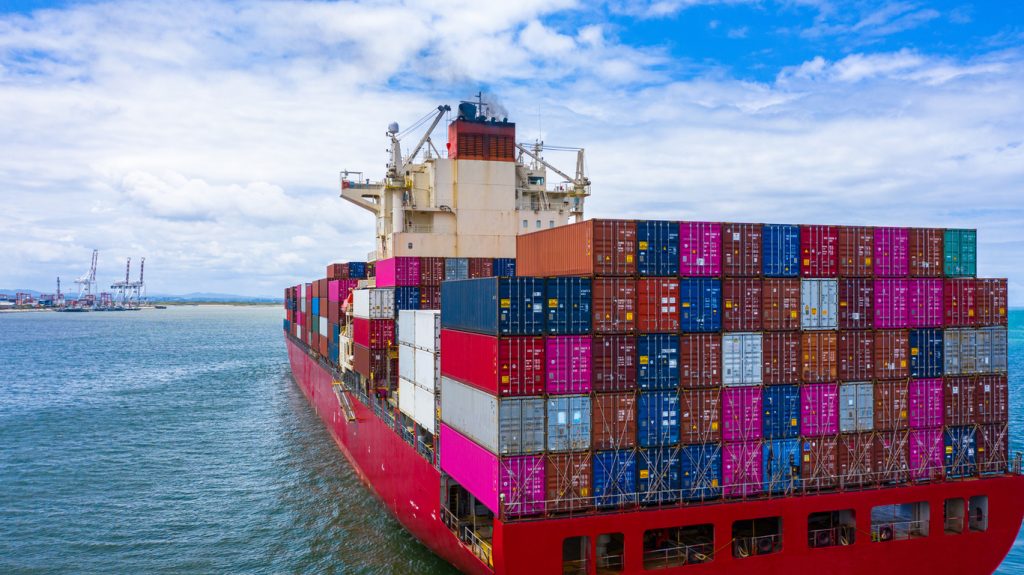
Importing goods into Nigeria can look straightforward until the shipment arrives and clearance begins. At that point, documentation issues, duty calculations, port congestion, inspection delays, storage charges, and transport arrangements can quickly turn a simple import into an expensive problem.
For businesses and individuals searching for reliable import goods clearance Nigeria support, the real goal is not just getting cargo released. It is getting the shipment cleared correctly, avoiding unnecessary delays, and moving the goods from the port or terminal to their final destination without creating another logistics headache.
Travo.ng helps importers coordinate cargo movement, delivery, transport, and related logistics after clearance, making the entire process easier to manage.
What Usually Delays Imported Goods at Nigerian Ports
Many clearance problems begin before the cargo even arrives.
Incorrect paperwork, inconsistent product descriptions, missing documents, or inaccurate shipment values can lead to additional checks. Depending on the type of goods, importers may also need specific permits, certificates, or regulatory approvals.
Common documents associated with imported cargo may include:
- Bill of lading or airway bill
- Commercial invoice
- Packing list
- Form M documentation where applicable
- Product certificates or permits
- Customs-related declarations
- Evidence of applicable duties and charges
A small documentation error can result in additional storage costs if goods remain at the terminal longer than expected.
For importers moving stock regularly, having documents reviewed early is often cheaper than trying to solve problems after cargo has already landed.
Import Goods Clearance Nigeria Costs Can Go Beyond Customs Duty
One mistake first-time importers make is budgeting only for the cost of the goods and international freight.
The final landed cost can also include customs duties, terminal charges, shipping line fees, handling expenses, clearing costs, storage charges, and local transportation.
The amount varies significantly depending on the cargo.
For example, clearing machinery, consumer electronics, vehicle parts, clothing, or commercial equipment may involve different classifications and regulatory requirements.
Importers should therefore request a detailed cost breakdown before approving the clearance process rather than relying on one estimated figure.
Lagos Ports Require Careful Delivery Planning After Clearance
Clearing cargo is only part of the job.
Once goods are released from locations around Apapa, Tin Can Island, or other Lagos cargo terminals, transport must be arranged quickly. Delays between release and pickup can create additional charges and operational problems.
Lagos traffic also affects planning.
A truck collecting cargo from Apapa and moving it to Ikeja, Lekki, Ogun State, or another destination may face long delays depending on port traffic, road conditions, and the time the vehicle leaves the area.
This is where proper logistics coordination becomes important.
Travo.ng can support cargo transportation, delivery coordination, vehicle arrangements, and onward movement for imported goods going to warehouses, offices, shops, project sites, or customers.
Businesses Should Plan the Final Delivery Before Cargo Arrives
A retailer importing inventory into Lagos may need goods delivered directly to a warehouse.
A construction company importing equipment may need a suitable truck to move heavy cargo to a project site.
An Abuja-based business may need imported goods cleared in Lagos and transported interstate immediately afterwards.
These arrangements are easier when planned before clearance is completed.
Before your shipment arrives, confirm:
- Where the goods will be delivered
- What type of vehicle will be required
- Whether loading equipment is needed
- Who will receive the cargo
- Whether the goods are moving interstate
- Whether delivery must happen within a specific business window
This prevents released cargo from sitting unnecessarily while transport is being arranged.
Avoid Choosing a Clearing Option Based Only on the Cheapest Quote
A very low clearance quote can become expensive if important charges were excluded.
Ask what the quoted amount actually covers.
You should know whether it includes documentation handling, customs processing, terminal-related costs, transportation, and delivery to your destination.
Also avoid submitting incomplete or inaccurate shipment information simply to obtain a quick estimate. The weight, dimensions, product type, quantity, declared value, port of arrival, and destination can all affect the final cost.
Moving Cleared Goods to Their Final Destination
After successful clearance, Travo.ng can help coordinate the next stage of the shipment.
Depending on the cargo, this may include local delivery within Lagos, interstate cargo movement, vehicle hire, business logistics support, or transport to warehouses and distribution points.
For companies importing goods regularly, combining clearance planning with dependable onward logistics reduces the number of separate vendors involved in each shipment.
If you need import goods clearance Nigeria support or help moving imported cargo after release, Travo.ng can help you coordinate the practical logistics required to get your goods from the port to where they actually need to go.
