


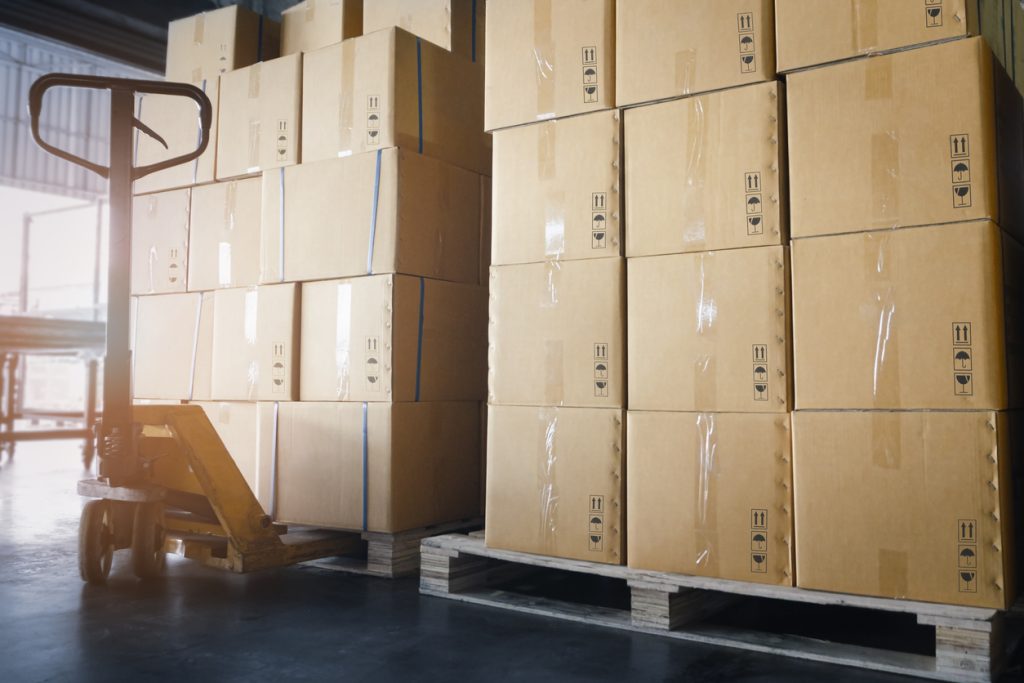
Importing goods into Nigeria does not end when your cargo arrives at the port or airport. The real pressure often starts with documentation, customs procedures, inspections, duty payments, terminal handling, and arranging the final movement of the goods.
For businesses and individuals dealing with import cargo clearance in Nigeria, delays can quickly increase costs. Storage charges accumulate, customers wait longer, and goods meant for resale can remain stuck while important paperwork is being resolved.
Travo.ng helps importers coordinate cargo movement and logistics after arrival, making it easier to move cleared shipments from Nigerian ports, airports, terminals, and warehouses to their final destination.
What Happens After Your Cargo Arrives in Nigeria
Once imported cargo arrives, it usually has to go through several stages before it can leave the port or cargo terminal.
Depending on the shipment, this may involve:
- Confirming shipping and import documents
- Customs assessment and processing
- Payment of applicable duties and charges
- Physical examination or scanning where required
- Terminal or handling procedures
- Release of the shipment
- Vehicle arrangement for final delivery
Problems often occur when one part of this process is not properly coordinated. For example, cargo may already be released while the importer is still searching for a suitable truck to move it from Lagos to Abuja, Ibadan, Benin City, Kano, or another destination.
Planning clearance and onward transportation together can reduce unnecessary waiting.
Documents That Commonly Affect Cargo Clearance
Documentation problems are among the most common reasons imported goods experience delays.
Importers should ensure that the documents relating to the shipment are accurate and consistent. Depending on the type of cargo and import arrangement, relevant documents may include the bill of lading or airway bill, commercial invoice, packing list, import documentation, certificates, and other regulatory approvals.
Even a small difference in product description, quantity, consignee information, or declared value can create additional questions during the clearance process.
Before your goods arrive, it is useful to confirm that your documentation is complete rather than waiting until the shipment is already accumulating terminal charges.
How Long Import Cargo Clearance Can Take
There is no single clearance timeline that applies to every shipment.
Straightforward cargo with complete documentation may move relatively quickly, while shipments requiring additional inspection, regulatory approval, document correction, or customs clarification can take longer.
Cargo arriving through Lagos also has another practical issue: getting the goods out of the port environment and onto the road.
Apapa and Tin Can Island traffic, truck availability, terminal procedures, and the final delivery destination can all affect how quickly your shipment actually reaches you.
That is why experienced importers do not only ask, “When will the cargo be cleared?” They also plan how it will leave the terminal once released.
Moving Cleared Cargo From Lagos to Other Nigerian Cities
After clearance, the next challenge is often transportation.
An importer bringing machinery into Lagos may need it delivered to a factory in Ogun State. A retailer may need cartons distributed to Abuja. Another business may have imported stock that must reach warehouses in Port Harcourt, Onitsha, or Kano.
Travo.ng can support this stage through cargo logistics, transport coordination, delivery services, and business logistics support.
The right vehicle depends on factors such as:
- Cargo weight and dimensions
- Type of goods
- Pickup terminal or warehouse
- Delivery location
- Loading requirements
- Urgency of the shipment
Arranging the wrong vehicle can create another delay after you have already completed the difficult part of clearing the cargo.
Avoid These Common Import Clearance Mistakes
One expensive mistake is waiting until cargo arrives before checking whether all required documents are ready.
Another is focusing entirely on customs clearance while ignoring delivery arrangements.
Importers should also avoid giving inaccurate cargo descriptions or assuming every shipment follows exactly the same procedure. Food products, machinery, electronics, chemicals, spare parts, and other categories may have different documentation or regulatory requirements.
It is also wise to budget beyond shipping charges. Port handling, duties, storage, transportation, loading, and other operational costs can affect the final landed cost of your goods.
Get Practical Cargo Logistics Support With Travo.ng
Successful import cargo clearance in Nigeria requires more than getting a release document. The shipment still needs to move safely and efficiently from the port, airport, terminal, or warehouse to where it is actually needed.
Travo.ng provides practical logistics support for businesses and individuals moving cargo within Nigeria. Whether you need transportation for cleared imports, interstate cargo delivery, vehicle coordination, courier support, or ongoing business logistics, you can arrange the appropriate service based on your shipment.
Instead of solving clearance, transportation, and delivery as separate emergencies, plan the movement of your imported cargo from arrival to final destination.
With Travo.ng, you can coordinate the logistics needed to get your goods moving and delivered where they need to go.
