


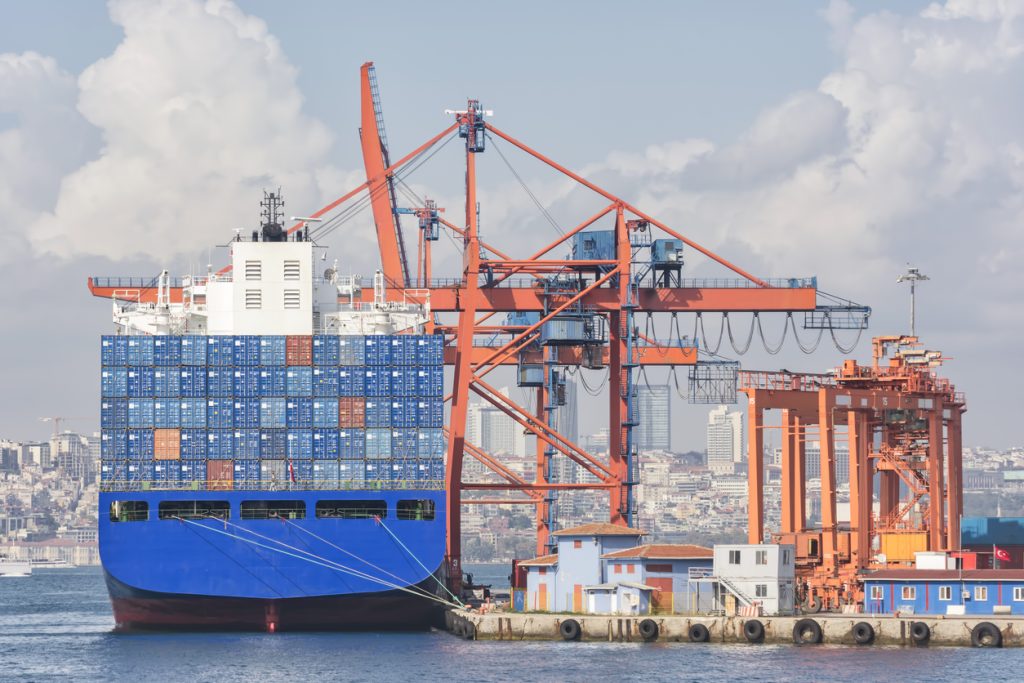
Importing computers, servers, networking equipment, spare parts, POS devices, security systems, or other technology hardware into Nigeria can become expensive very quickly when clearance is not properly planned.
For businesses searching for hardware import clearance Nigeria services, the biggest concern is usually not just getting goods through Customs. It is making sure the shipment arrives with the right documentation, clears without unnecessary delay, and moves safely from the port or airport to its final destination.
A few days of avoidable delay can affect installation schedules, customer deliveries, office openings, or major IT projects.
What Usually Delays Hardware Clearance in Nigeria
Many clearance problems begin before the shipment even reaches Nigeria.
Incorrect product descriptions, incomplete invoices, inconsistent quantities, or missing regulatory documents can slow down processing. A commercial invoice describing equipment simply as “computer accessories,” for example, may create more questions than an invoice that clearly identifies the actual hardware being imported.
Importers should normally have key shipment information ready, including:
- Accurate commercial invoices
- Packing lists showing quantities and weights
- Correct consignee details
- Product descriptions and model information
- Shipping documents
- Any permits or approvals required for the specific equipment
The exact requirements can vary depending on the type of hardware, shipment value, origin, and method of importation.
Airport Cargo and Seaport Hardware Shipments Work Differently
Small quantities of high-value technology equipment often arrive through air cargo, particularly when businesses need replacement parts or equipment urgently.
Larger shipments containing racks, servers, desktop computers, telecommunications equipment, or bulk electronics may arrive through Nigerian seaports.
Air freight is usually faster, but importers still need to account for cargo handling, documentation, clearance, storage, and final delivery.
For sea cargo arriving through Lagos, delays around Apapa or Tin Can can also affect the movement of cleared goods. Clearing the container is only part of the job. Transporting it through Lagos traffic and coordinating unloading at the customer’s location also requires planning.
What Hardware Import Clearance Nigeria Can Cost
There is no single fixed clearance price for every shipment.
Costs can depend on the declared value of the goods, classification, applicable duties and taxes, cargo size, terminal or airline charges, handling requirements, and how long the shipment remains at the facility.
This is why importers should avoid relying on vague estimates such as “clearance should be around ₦200,000” without reviewing the actual shipment documents.
A better approach is to provide the invoice, packing details, shipping method, expected arrival point, and product information before the cargo arrives. This makes it easier to identify likely charges and potential documentation problems early.
Do Not Forget Delivery After Clearance
One common mistake is arranging Customs clearance without properly planning what happens afterwards.
A company importing servers into Lagos may need delivery to Victoria Island, Ikeja, Lekki, Abuja, Port Harcourt, or another location immediately after release.
That movement may require a suitable vehicle, careful loading, delivery coordination, and sometimes additional interstate transport.
Travo.ng can support businesses beyond the clearance stage by coordinating cargo logistics, transport arrangements, delivery services, and related business logistics depending on the shipment.
This is particularly useful when one company wants a more coordinated process instead of dealing separately with clearance agents, drivers, cargo handlers, and delivery providers.
Plan Clearance Before the Hardware Arrives
The easiest time to solve an import documentation problem is before the shipment lands.
Businesses importing technology equipment should review their paperwork early, confirm the expected arrival location, understand likely clearance requirements, and arrange onward transport in advance.
For urgent or valuable hardware shipments, this preparation can make the difference between a smooth release and several days of unnecessary storage charges.
If you need hardware import clearance Nigeria support, Travo.ng can help coordinate the logistics around your shipment, from cargo movement and delivery planning to transport arrangements after clearance.
Instead of waiting until the goods are already accumulating charges at the airport or port, organise the process early and make sure every stage of the shipment has been accounted for.
