


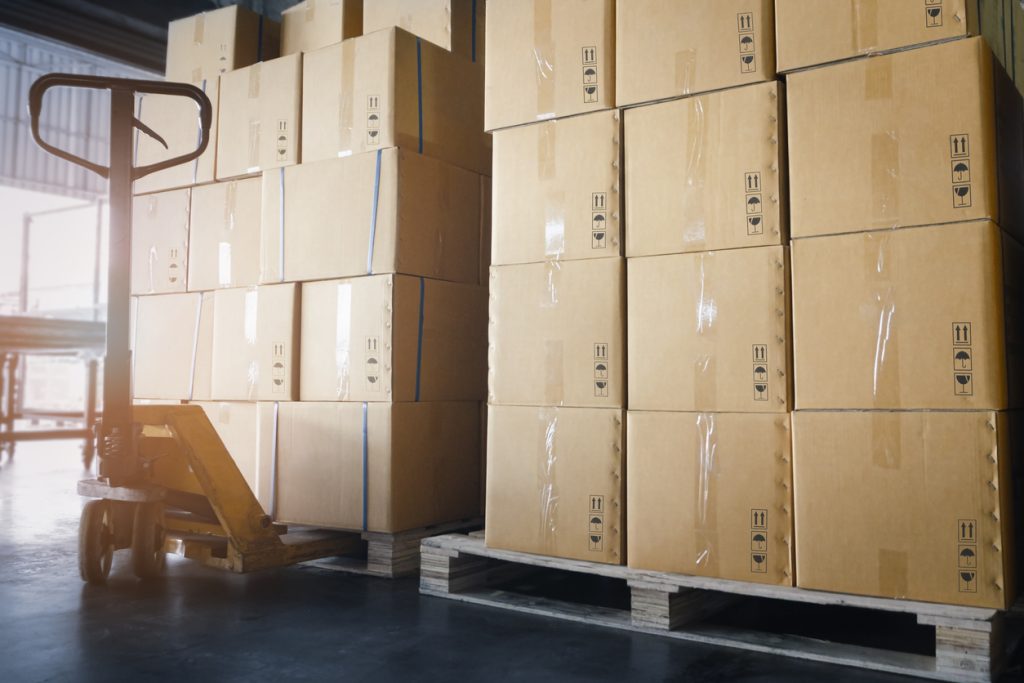
Importing goods into Nigeria for the first time can feel straightforward until your shipment reaches the port, airport, or cargo terminal. At that point, documents, duties, inspections, terminal charges, and delivery arrangements all need to line up properly.
For anyone searching for first time importer customs clearance Nigeria, the biggest advantage is understanding the process before the goods arrive. A small documentation mistake can turn what should be a routine clearance into extra storage charges and several days of delay.
What You Should Sort Out Before Your Goods Leave the Supplier
Customs clearance starts long before a shipment lands in Nigeria.
Before your supplier dispatches the goods, make sure you have clear information about:
- The exact description of the items
- Quantity and value of the goods
- Country of origin
- Shipping method
- Commercial invoice
- Packing list
- Relevant import documentation
- Expected arrival port or airport
The description on your documents should match what is actually being shipped. Writing something vague such as “accessories” when the shipment contains several identifiable commercial products can create unnecessary questions during clearance.
First-time importers should also confirm whether the goods require additional permits or regulatory approvals before shipment.
What Happens When Your Shipment Arrives in Nigeria
Once the cargo arrives, the clearance process generally involves reviewing the shipment documents, determining the applicable customs classification and charges, completing required declarations, handling inspections where necessary, paying relevant fees, and obtaining release of the cargo.
The exact process depends on how the goods entered Nigeria.
Air cargo arriving through Lagos, for example, is handled differently from a container arriving through Apapa or Tin Can Island.
Smaller commercial shipments may also arrive through courier or consolidated cargo arrangements.
This is why first-time importers should avoid assuming that every shipment follows the same clearance procedure.
Customs Charges Are Not the Only Costs to Plan For
One mistake new importers make is budgeting only for the supplier and freight charges.
Once cargo reaches Nigeria, additional costs may arise from customs duties, taxes, terminal handling, storage, documentation, clearing services, and transportation from the terminal to the final destination.
Delays can make the final bill higher.
If cargo remains at a terminal because one document is missing or payment is delayed, storage and related charges may continue accumulating.
Before importing, request a realistic landed-cost estimate rather than looking only at the purchase price of the goods.
How Long Customs Clearance Can Take
There is no single clearance timeline for every shipment.
A properly documented air cargo shipment may move relatively quickly, while sea freight can take longer because of terminal procedures, examinations, documentation, and the volume of cargo being processed.
Problems usually begin when the importer waits until the shipment has already arrived before arranging clearance.
If you are importing goods from China, Turkey, the UK, UAE, or another major trading market into Lagos, start preparing your clearance documents while the cargo is still in transit.
That gives whoever is coordinating the shipment time to identify missing paperwork before arrival.
Mistakes First-Time Importers Should Avoid
The most expensive problems are often avoidable.
Do not undervalue goods simply because you are trying to reduce duties. Customs authorities may reassess the shipment if the declared value appears unrealistic.
Do not allow your supplier to use vague or inaccurate product descriptions.
You should also avoid importing controlled or regulated goods without checking the required approvals beforehand.
Another common mistake is failing to arrange transportation after clearance. Getting a shipment released from the terminal is only one part of the job. The goods still need to reach your warehouse, shop, office, or customer safely.
Getting Help With First Time Importer Customs Clearance Nigeria
For a first shipment, having someone coordinate the movement can save considerable time and confusion.
Travo.ng can support businesses and individuals with cargo logistics, delivery coordination, transport arrangements, and the movement of cleared goods to destinations within Nigeria.
For example, an importer receiving commercial goods in Lagos may need the cargo collected after release and delivered to a warehouse in Ikeja, Lekki, or another part of the city. Another importer may need goods moved onward from Lagos to Abuja, Ibadan, Benin City, or another state.
These are the stages where coordinated cargo logistics and interstate delivery support become especially valuable.
Prepare Before the Cargo Arrives
Your first import should not become a learning experience paid for through avoidable demurrage, storage fees, and transport delays.
Confirm the documentation requirements early, understand the expected customs and terminal costs, and make arrangements for both clearance and final delivery before the shipment arrives.
If you need practical support with first time importer customs clearance Nigeria, cargo movement, delivery coordination, or transportation after clearance, Travo.ng can help you organize the logistics and move your goods to their final destination.
