

Moving goods across Nigeria’s land borders can be frustrating when customs documentation is incomplete or cargo gets delayed at inspection points. For importers, exporters, and businesses moving goods between Nigeria and neighbouring countries, every extra day at the border can mean additional transport costs and missed delivery deadlines.
Express land border customs clearance in Nigeria helps businesses prepare shipments properly, coordinate customs procedures, and reduce avoidable delays.
Whether your goods are entering through Seme Border in Lagos State or moving through Idiroko in Ogun State, understanding the clearance process makes cross-border logistics easier to manage.
How Express Customs Clearance Works at Nigerian Land Borders
Express clearance does not mean skipping customs inspections or avoiding import duties. It involves preparing accurate documents, working with licensed customs agents, and completing required procedures without unnecessary administrative delays.
For commercial cargo entering Nigeria, the process generally involves:
- Preparing commercial invoices, packing lists, and relevant shipping documents.
- Confirming applicable import permits and product restrictions.
- Submitting customs declarations through authorised channels.
- Paying assessed customs duties, taxes, and applicable charges.
- Completing required inspections and obtaining cargo release.
Businesses that organise these requirements before their trucks arrive at the border are better positioned to avoid preventable delays.
What Causes Cargo Delays at Seme and Idiroko Borders?
Two shipments travelling through the same border crossing may experience very different clearance times.
For example, a Lagos-based trader importing packaged goods from Benin may encounter delays because the declared cargo description does not match the commercial invoice.
Common problems include:
- Incorrect tariff classification or customs valuation.
- Missing regulatory permits or certificates.
- Differences between declared and physically inspected goods.
- Outstanding duty payments.
- Restricted products or non-compliant shipments.
Before dispatching cargo, confirm that the intended border crossing permits the particular goods and customs procedure.
How Long Does Land Border Customs Clearance Take?
There is no guaranteed clearance period for every shipment.
Straightforward consignments with complete documentation may clear relatively quickly, while shipments requiring physical examination, regulatory verification, or additional approvals can take several days or longer.
The cargo category, customs workload, inspection requirements, and border operating conditions all influence processing time.
Businesses transporting perishable products or time-sensitive inventory should build reasonable clearance allowances into delivery schedules.
What Does Customs Clearance Cost in Nigeria?
The total cost depends on the goods being transported, their customs value, applicable tariff classification, and regulatory requirements.
Expenses may include customs duties, import VAT where applicable, processing charges, licensed agent fees, and transport-related costs.
For example, importing commercial electronics involves different tariff and compliance considerations from transporting agricultural produce.
Request an itemised estimate before shipping rather than relying on a single advertised clearance price.
Coordinating Border Clearance and Cargo Delivery With Travo.ng
Customs release is only one part of successful cross-border transportation.
After clearance, businesses still need reliable arrangements to move goods from border locations to warehouses, markets, or customer destinations.
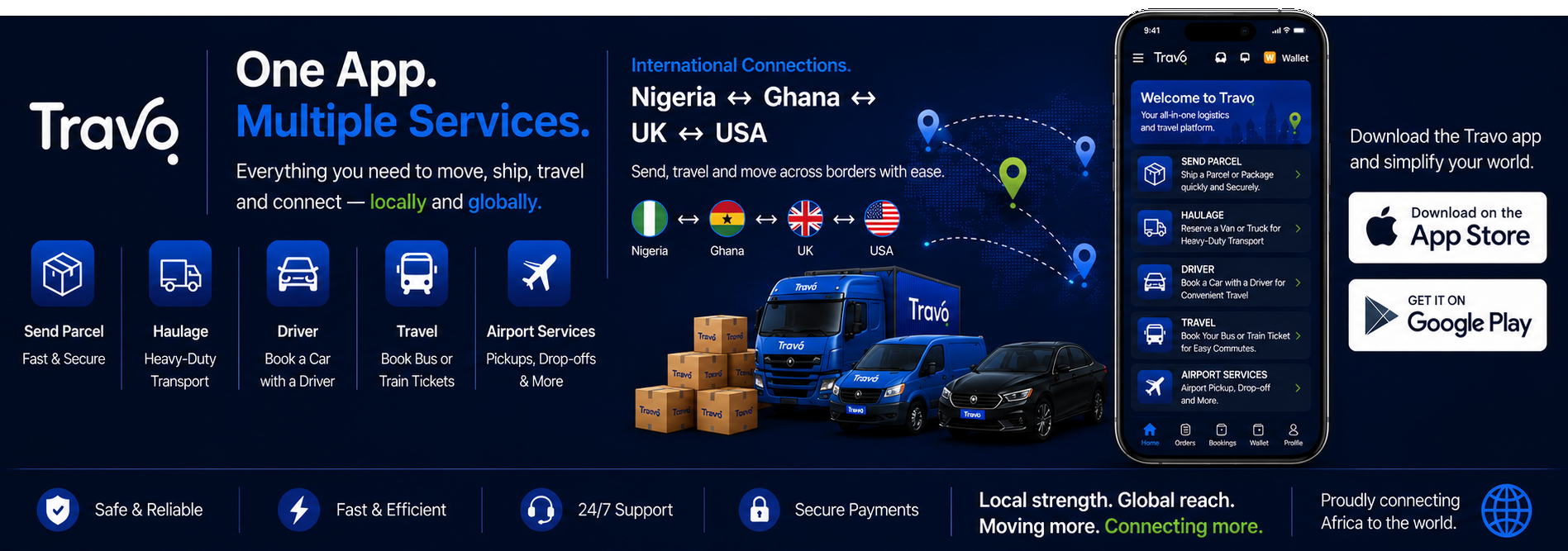
Travo.ng offers cargo logistics, delivery coordination, and business transport support that can help companies organise the movement of their shipments.
For instance, a business receiving cleared goods at Seme may need onward transportation to Trade Fair, Alaba, or another Lagos distribution location.
Coordinating this movement early can reduce unnecessary waiting time after customs release.
Customs declarations and official release must still be handled through authorised customs procedures and appropriately licensed professionals.
Arrange Your Cross-Border Cargo Movement With Confidence
Efficient border logistics begins before a vehicle reaches the checkpoint.
Confirm your cargo documentation, understand applicable customs requirements, and arrange transportation around realistic clearance expectations.
For businesses seeking express land border customs clearance in Nigeria, proper preparation and dependable transport coordination can make a significant difference.
Contact Travo.ng to discuss cargo transportation, onward delivery, and logistics coordination for your cross-border shipments.
