


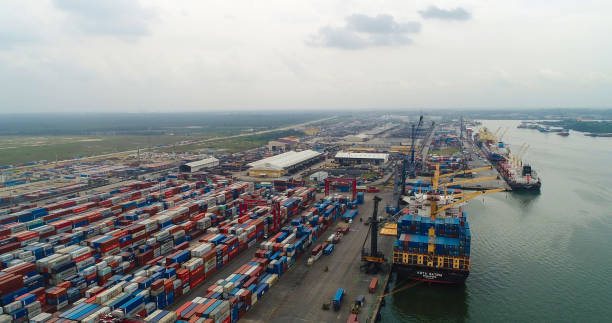
Customs duty changes in Nigeria in 2026 are part of a wider fiscal reform program designed to balance inflation control, protect local industries, and increase government revenue. These changes directly affect how much importers pay for goods coming through Apapa, Tin Can, Onne, and Lekki ports.
For businesses, this is not just policy news—it directly impacts landed cost, pricing strategy, and profitability.
📉 Major customs duty changes introduced in 2026
The most significant update is the new 2026 fiscal policy framework, which adjusted tariffs across several key import categories.
Key changes include:
- Vehicle import duties reduced to about 40% total effective rate
- Rice import duties reduced significantly (as low as ~47.5% in some categories)
- Palm oil duties reduced to about 28.75%
- Sugar duties adjusted (still high but restructured)
- Manufacturing machinery and some capital goods partially exempt or reduced
- New excise and “green tax” charges introduced for selected goods
These changes took effect from April 2026, with additional charges scheduled to kick in from July 2026.
🧾 The hidden part: New taxes replacing old duties
Even though some import duties were reduced, the government introduced new layers of charges such as:
- Green tax surcharge (on selected non-eco-friendly goods)
- New excise duty regime (drinks, tobacco, luxury items)
- Additional compliance-linked levies in some categories
So in practice, some goods became cheaper to clear, while others remained the same or even increased depending on classification.
🚗 How vehicle import duties changed in real terms
Vehicle importation is one of the clearest examples of the new system.
Before:
- Higher combined tariffs (often pushing total cost very high)
Now (2026 structure):
- Reduced import duty structure (~40% effective for many units)
- Additional NAC levies and VAT still apply
- Used cars still carry multiple layered charges
👉 Result: Clearing cars may be slightly cheaper, but not “cheap” in real terms due to stacked levies.
🍚 Food imports: relief but still heavily regulated
Food imports like rice, sugar, and palm oil saw duty reductions to help control inflation.
- Rice: reduced duty burden compared to previous years
- Palm oil: reduced to around 28.75%
- Sugar: adjusted but still protected to support local production
👉 This means:
- Import cost is lower than before
- But food imports are still heavily controlled to protect local farmers
⚙️ Machinery and industrial imports: biggest benefit area
One of the most business-friendly parts of the reform is:
- Reduced or zero duty on some manufacturing machinery
- Lower tariffs for industrial inputs
- Support for local production and assembly
👉 This is aimed at:
- Reducing production cost in Nigeria
- Encouraging local manufacturing
- Supporting industrial growth
⚠️ Why importers still feel like costs didn’t reduce much
Even with duty cuts, many importers still complain about high landed cost. Here’s why:
1. Exchange rate pressure
Even reduced duties are calculated on CIF value in dollars—so FX volatility increases total cost.
2. New taxes offset savings
Green taxes and excise duties balance out reductions.
3. Port-related charges
Demurrage, storage, and trucking costs remain high.
4. Regulatory delays
Longer clearance time increases hidden operational costs.
📦 Real impact on import businesses
Winners:
- Manufacturing companies
- Industrial equipment importers
- Some food importers
Still struggling:
- Vehicle importers
- Fast-moving consumer goods traders
- Small-scale import businesses
🧭 What smart importers are doing now
To survive these changes, businesses are:
- Recalculating landed cost models monthly
- Using more accurate HS code classification
- Importing in bulk to reduce per-unit cost
- Planning around FX movements
- Clearing goods faster to avoid port charges
🚚 Where Travo.ng fits into import operations
Customs duty changes don’t just affect cargo—they affect movement and coordination
When import costs change, businesses often need faster coordination between:
- airport arrival of suppliers
- port clearance teams
- warehouse distribution
- inspection visits
- emergency logistics decisions
🚖 How Travo.ng supports importers and logistics teams
Travo.ng supports businesses affected by customs duty changes by helping manage:
- Airport pickup for import managers and foreign partners
- Executive transport between Apapa, Tin Can, Lekki, and warehouses
- Hotel booking for visiting suppliers and auditors
- Corporate travel coordination
- Urgent mobility during clearance operations
In a system where policy changes directly affect timing and cost, fast coordination of people becomes a business advantage.
