


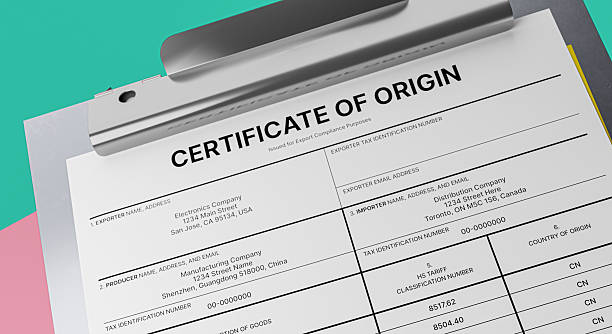
If you import goods through Apapa Wharf, Tin Can Island, or Murtala Muhammed Airport cargo terminal, one document that can suddenly slow everything down is a Certificate of Origin correction in Nigeria.
It usually happens when your shipment has already been processed or is under clearance, but customs identifies an error in the document that proves where the goods were manufactured. Instead of moving forward, the file is paused until the certificate is corrected and revalidated.
In simple terms, Certificate of Origin correction means fixing errors in an already issued origin document so it matches the actual product and customs requirements.
What Certificate of Origin Means in Nigeria Import System
A Certificate of Origin is an international trade document that confirms the country where goods were manufactured or produced. It is used during customs clearance by:
Nigeria Customs Service
It is important for:
- Determining import duty rates
- Confirming product origin
- Applying trade rules or preferences
- Preventing misdeclaration of origin
If the certificate is incorrect, customs may reject or delay clearance.
What Certificate of Origin Correction Actually Means
A correction happens when the original certificate contains errors or inconsistencies that must be fixed.
It may involve:
- Changing country of origin details
- Correcting product description
- Fixing invoice reference numbers
- Updating supplier or exporter information
- Reissuing or re-certifying the document
Once corrected, the document must be revalidated before clearance continues.
Common Reasons for Certificate of Origin Correction in Nigeria
These corrections are common in import operations because global supply chains are complex.
1. Wrong Country Declaration
Goods manufactured in one country but incorrectly listed as another.
2. Supplier Documentation Errors
Mistakes made by exporters when issuing the certificate.
3. Mismatch With Invoice or Packing List
Different origin details across documents.
4. Re-exported Goods Confusion
Goods shipped through multiple countries before arriving in Nigeria.
5. Incorrect Certification Authority
Certificate issued by an unrecognized or invalid authority.
What Happens When Certificate of Origin Correction Is Required
At Apapa or Tin Can Island, correction immediately affects clearance flow.
A typical sequence looks like:
- Cargo arrives at port or airport terminal
- Customs reviews import documentation
- Origin document is flagged for inconsistency
- Correction is requested or required
- Certificate is revised and resubmitted
Until approval is completed, cargo cannot proceed to duty assessment or release.
For importers supplying Alaba International Market, Ladipo Auto Parts, Ikeja electronics hubs, or Abuja distributors, this often leads to delays in stock availability.
Why Certificate of Origin Corrections Are So Common in Nigeria
These issues occur frequently due to global trade complexity and documentation gaps.
Common causes include:
- Multi-country manufacturing and assembly
- Supplier misunderstanding of Nigerian customs requirements
- Inconsistent documentation across shipment files
- Weak verification before export
- High scrutiny on origin declarations
Even small inconsistencies can trigger correction requests.
The Real Impact of Certificate of Origin Correction
This is not just paperwork—it affects time, cost, and business operations.
Importers often experience:
- Delayed cargo clearance
- Increased storage and demurrage charges
- Possible changes in import duty
- Cash flow pressure due to blocked goods
- Disruption in supply chain schedules
In congested ports like Apapa, delays quickly increase total landed cost.
Why Small Origin Errors Become Expensive
Even minor corrections can escalate costs because:
- Cargo remains in storage during correction
- Shipping schedules are disrupted
- Containers may incur detention fees
- Duty rates may be reassessed
So a small documentation issue can quickly become a financial burden.
Products Commonly Affected by Certificate of Origin Correction
Some imports are more likely to face origin correction issues:
- Electronics and mobile devices
- Automotive spare parts
- Industrial machinery
- Textiles and garments
- Food and packaged goods
- Mixed commercial cargo
These categories often involve multi-country sourcing and complex documentation.
Where Importers Struggle Most With Corrections
Even after identifying errors, resolution can take time due to:
- Supplier delays in reissuing documents
- Customs verification requirements
- Certification authority processing time
- Communication gaps between importer and agent
- Revalidation procedures
In Nigerian ports, turnaround time is rarely predictable.
How Certificate of Origin Correction Affects Logistics Planning
Corrections don’t stay at documentation level—they affect the entire supply chain.
They can disrupt:
- Cargo release schedules
- Trucking and inland transport planning
- Warehouse inventory management
- Retail distribution timelines
A single correction can delay operations across multiple Nigerian cities.
How Importers Reduce Certificate of Origin Correction Issues
Experienced importers reduce risk by:
- Confirming origin details before shipment
- Ensuring supplier issues correct documentation
- Matching invoice and packing list with certificate
- Avoiding unclear product sourcing routes
- Working with experienced clearing professionals
Most corrections can be prevented with proper verification before export.
How Travo.ng Supports Importers After Clearance Delays
While Certificate of Origin correction affects customs clearance, logistics becomes critical once goods are released.
This is where Travo.ng supports importers and businesses across Nigeria.
Travo.ng helps manage:
- Cargo pickup after customs clearance
- Airport and port delivery coordination
- Nationwide parcel and freight movement
- Interstate logistics for business cargo
- Reliable delivery from terminal to destination
So even when origin corrections delay clearance, Travo.ng ensures goods move quickly once approval is completed.
Final Insight
Certificate of Origin correction in Nigeria usually happens due to inaccurate supplier documentation, mismatched shipment details, or multi-country sourcing complexity. Importers who verify origin details early and ensure consistency across all documents experience smoother clearance and fewer delays.
