


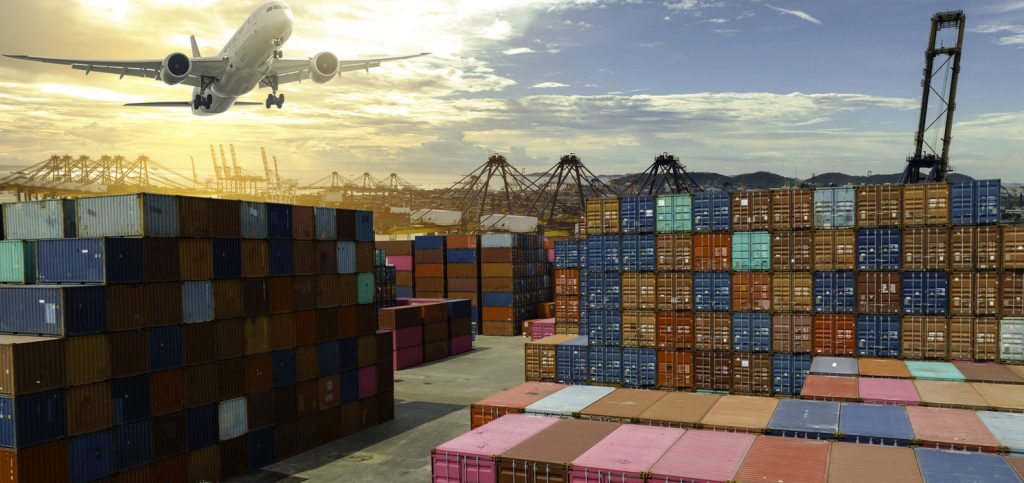
Cargo customs clearance in Nigeria can quickly become stressful when documents are incomplete, cargo classification is unclear, or charges are not properly understood before a shipment arrives. For importers, businesses, and individuals bringing goods into the country, the difference between a smooth clearance and weeks of delay often comes down to preparation and proper coordination.
Travo.ng helps customers manage cargo movement more practically by supporting customs clearance, cargo logistics, transportation, and onward delivery within Nigeria.
What Usually Happens When Your Cargo Arrives in Nigeria
When imported cargo reaches a Nigerian seaport, airport, or approved cargo terminal, it does not automatically become available for collection. The shipment must go through the required customs procedures before it can be released.
Depending on the type of goods and shipping method, clearance may involve:
- Confirming shipping and commercial documents
- Determining the correct customs classification
- Assessing applicable duties and charges
- Customs examination where required
- Processing terminal or handling payments
- Obtaining cargo release
- Arranging transportation from the terminal
For businesses importing equipment, consumer products, spare parts, machinery, or commercial stock, delays at this stage can affect sales, project deadlines, and customer commitments.
Documents That Can Delay Cargo Clearance
Many customs clearance problems start before the shipment even arrives.
A difference between the invoice description and the actual cargo, missing documentation, or an incorrect classification can create unnecessary complications.
Common documents required for cargo customs clearance in Nigeria may include commercial invoices, packing lists, shipping documents such as bills of lading or airway bills, and relevant import documentation depending on the goods involved.
Certain products may also require approvals or certificates from relevant Nigerian regulatory agencies.
This is why importers should confirm documentation requirements early rather than waiting until cargo has already landed.
How Long Cargo Clearance Can Take
There is no single clearance timeline for every shipment.
Properly documented cargo can move relatively quickly, while shipments requiring additional examination, clarification, regulatory approval, or document correction may take longer.
Air cargo coming through Lagos, for example, may have different handling procedures and timelines from containerised goods arriving through Apapa or Tin Can Island.
Importers should also consider weekends, public holidays, terminal congestion, and peak import periods when planning delivery dates.
If imported goods are required for a shop opening, construction project, corporate event, or production schedule, allowing extra time can prevent expensive last-minute problems.
What Cargo Owners Should Know About Clearance Costs
The cost of clearing cargo is not based on one flat customs fee.
The final amount can depend on factors such as the nature of the goods, declared value, customs classification, applicable duty rates, shipping method, terminal charges, handling costs, and transportation after release.
Cargo that remains at a terminal longer than expected may also attract storage-related charges.
Before committing to an import, it is sensible to understand the likely landed cost rather than calculating only the purchase price and international freight.
For businesses importing regularly, this makes budgeting and product pricing much more accurate.
Clearing Cargo Is Only Part of the Job
Getting customs release does not mean the logistics process is finished.
Once the cargo is cleared, someone still has to coordinate collection and move it safely to its final destination.
A shipment cleared in Lagos may need to continue to Abuja, Ibadan, Benin City, Port Harcourt, Kano, or another location.
For larger shipments, this may involve arranging an appropriate truck and coordinating terminal pickup. Smaller commercial cargo may require courier or interstate delivery support.
Travo.ng can help connect the clearance stage with cargo transportation and delivery, reducing the need to coordinate several separate service providers.
Avoid Waiting Until the Cargo Lands
One of the most common mistakes importers make is starting the clearance process only after receiving an arrival notification.
A better approach is to review the shipment details and required documents before arrival.
Confirm:
- What exactly is being imported.
- Whether the cargo needs special regulatory approval.
- Whether the invoice and packing details are accurate.
- Where the shipment will arrive.
- How the cargo will be transported after release.
For commercial imports, it is also useful to plan warehouse space and final delivery before clearance begins.
Get Practical Cargo Support Through Travo.ng
Cargo customs clearance in Nigeria is easier to manage when documentation, release, transportation, and delivery are treated as one connected logistics process.
Travo.ng supports businesses and individuals who need practical assistance moving cargo through Nigeria and onward to its final destination.
Whether you are bringing commercial goods into Lagos, arranging interstate cargo movement, coordinating business deliveries, or moving cleared goods to a warehouse, you can use Travo.ng for cargo logistics and transport coordination.
Planning early helps reduce delays, control unexpected costs, and get your goods where they need to go without unnecessary complications.
