


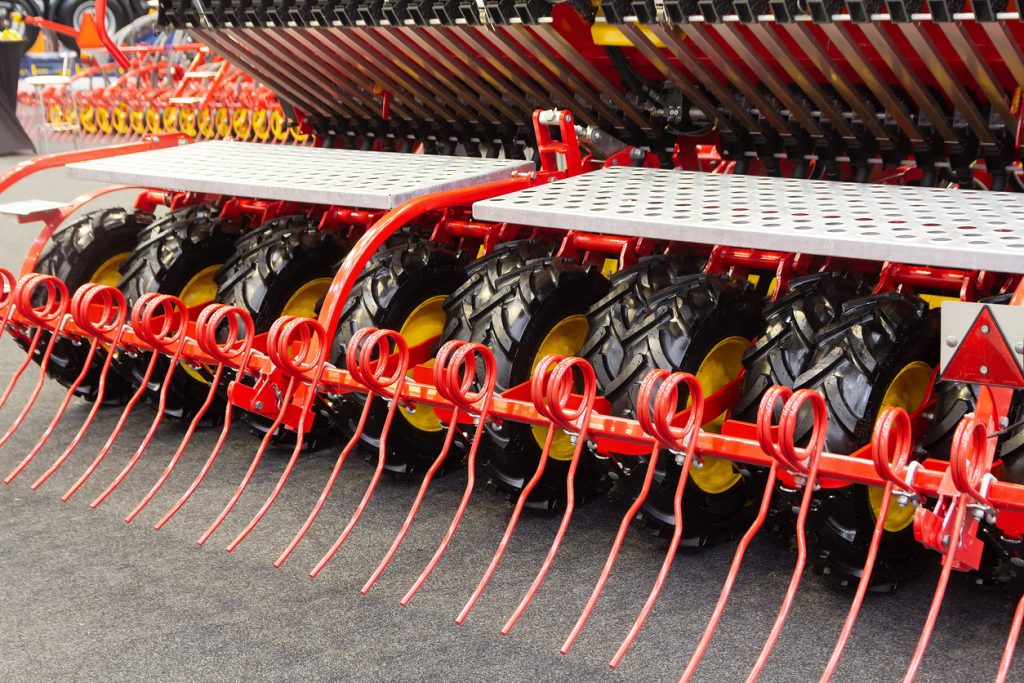
Importing tractors, harvesters, irrigation systems, planters, processing machines, and other farm equipment into Nigeria involves much more than getting the machinery onto a vessel. Once the shipment arrives, the real work begins: customs documentation, terminal handling, inspections, duty assessment, port charges, and arranging transport to the final destination.
For businesses searching for agricultural equipment clearing Nigeria services, the biggest concern is usually avoiding delays that can turn a straightforward import into an expensive port problem.
Travo.ng helps importers coordinate agricultural equipment clearing, cargo movement, and onward transportation so machinery can move from the port to farms, warehouses, dealerships, or project sites with fewer complications.
What Usually Happens When Farm Equipment Arrives in Nigeria
Agricultural machinery commonly enters Nigeria through major ports such as Apapa and Tin Can Island in Lagos. Depending on the shipment, equipment may arrive inside containers, on flat racks, or as specialised oversized cargo.
Before the equipment can leave the port, several things must line up correctly.
These may include:
- Accurate shipping and customs documents
- Correct equipment descriptions and classifications
- Customs assessment and applicable charges
- Terminal and shipping line processes
- Physical examination where required
- Release documentation
- Truck or low-bed arrangement for evacuation
A problem in any one of these areas can delay the entire shipment.
For example, describing a specialised agricultural machine incorrectly on import documents can create questions during assessment or examination. Importers should therefore ensure that invoices, packing lists, bills of lading, equipment specifications, and other supporting documents match the actual machinery being imported.
Clearing a Tractor Is Different From Moving One
Customs clearance is only one part of the job.
Once a tractor or other heavy agricultural machine has been released, it still needs to leave the port safely. Standard trucks may work for smaller equipment, but large tractors, combine harvesters, loaders, and processing machines may require flatbeds or low-bed trailers.
Transport planning should therefore start before the clearing process is completed.
If equipment is going from Lagos to a farm in Ibadan, Ilorin, Benin City, Abeokuta, Abuja, or another location, the vehicle type, machinery dimensions, loading method, and delivery route should be considered early.
Travo.ng can support this process by coordinating cargo logistics and suitable transportation alongside the clearing arrangement.
Delays at the Port Can Quickly Increase Your Costs
One of the most expensive mistakes agricultural equipment importers make is waiting until cargo is ready for collection before organising the next stage.
Port storage, terminal charges, shipping line charges, and truck waiting time can increase when arrangements are not properly coordinated.
Agricultural businesses also have another problem: timing.
A tractor needed for land preparation in September is far less useful if unnecessary clearing delays keep it at the port until the farming schedule has already shifted.
Importers should begin preparing documentation and inland transport arrangements before the vessel arrives whenever possible.
What Importers Should Prepare Before the Shipment Lands
Good preparation makes agricultural machinery clearing much easier.
Before arrival, confirm that you have the correct commercial invoice, packing list, shipping documents, machinery description, model details, country of origin, and any other documents required for the particular shipment.
You should also know exactly where the equipment will go after clearance.
A company importing several tractors for distribution across Nigeria may need the machines delivered first to a Lagos warehouse. Another importer may want equipment moved directly from the port to a farm or construction site outside Lagos.
These decisions affect the type of transport and logistics coordination required.
Moving Agricultural Equipment Beyond Lagos
Clearing the machinery is not the end of the journey.
Travo.ng can also help coordinate interstate cargo transportation for agricultural equipment leaving Lagos for other parts of Nigeria. This can be useful for farm owners, equipment dealers, agricultural contractors, cooperatives, processing companies, and organisations handling large farming projects.
For particularly heavy or oversized equipment, planning the route matters. Road conditions, bridge restrictions, loading height, security considerations, and suitable delivery access at the destination can all affect the movement.
The goal should be to plan the clearing and transportation as one connected operation rather than treating them as separate jobs.
Get Practical Agricultural Equipment Clearing Support
Importing farm machinery is already a significant investment. Poor coordination at the clearing and delivery stage should not create additional avoidable costs.
With Travo.ng, importers can arrange support for agricultural equipment clearing Nigeria, cargo logistics, interstate transportation, and equipment delivery through one practical coordination process.
Whether you are bringing in tractors for your farm, machinery for resale, irrigation equipment for a project, or agricultural processing equipment for a factory, Travo.ng can help organise the movement from arrival to final delivery.
Prepare your shipment details, equipment specifications, arrival information, and delivery location, then contact Travo.ng to arrange the clearing and transportation support your agricultural equipment requires.
