


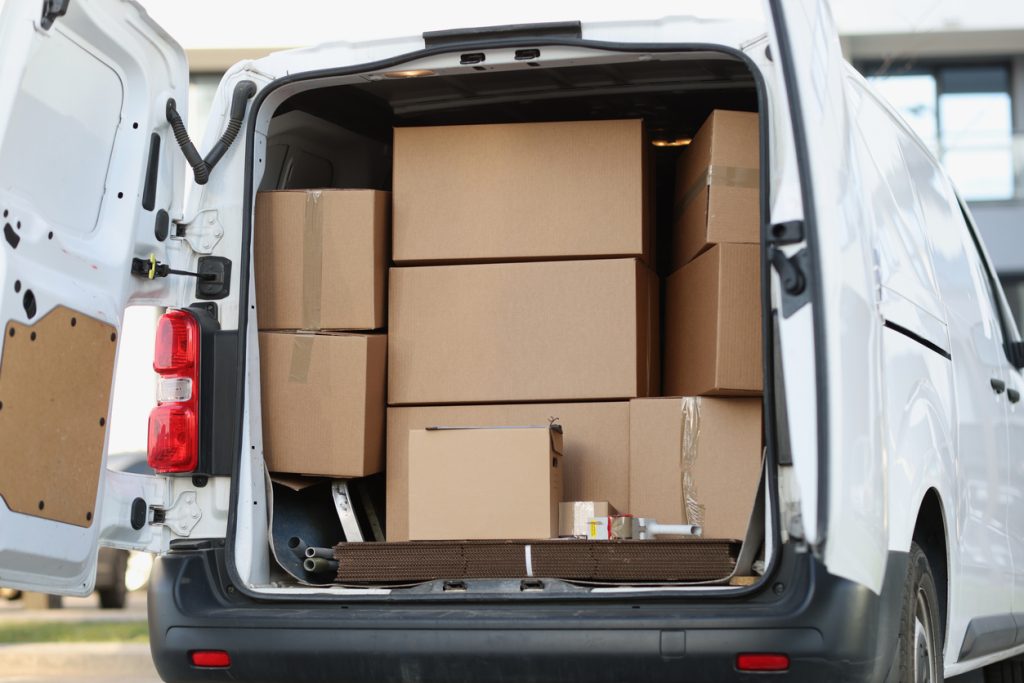
Reverse logistics Nigeria is becoming more important as online shopping, retail delivery, repairs, exchanges, and product returns grow across the country. For many businesses, sending goods out is only half of the job. The real challenge starts when a customer needs to return an item, exchange a product, send a faulty device back, or move unsold stock from one location to another.
In Nigeria, this process is not always straightforward. Traffic, poor address descriptions, failed delivery attempts, interstate transport delays, and unclear customer communication can turn a simple return into an expensive problem. That is why businesses and individuals now need logistics partners who understand how reverse movement works in real Nigerian conditions.
Travo.ng helps customers manage courier services, delivery coordination, cargo logistics, transport arrangements, relocation support, and business logistics in a more organised way.
What Reverse Logistics Means in Everyday Nigerian Business
Reverse logistics simply means moving goods backwards through the supply chain. Instead of delivering from seller to customer, the item moves from customer back to seller, warehouse, repair centre, vendor, or another business location.
In Nigeria, this can include:
- A customer in Lekki returning shoes to a store in Yaba
- A faulty phone going from Abuja back to a Lagos supplier
- A fashion vendor collecting wrong-size items from customers
- A supermarket moving expired or damaged stock back to a distributor
- An ecommerce business handling product exchanges after delivery
- A company retrieving equipment from former staff or branch offices
For small businesses, this is often handled casually until it starts affecting customer trust. One missed pickup or delayed refund can make a customer avoid buying again.
Why Returns Are Harder Than Normal Deliveries
Forward delivery usually has one clear instruction: pick up from the seller and deliver to the customer. Reverse logistics needs more control.
The rider or driver may need to confirm the item condition, collect proof of return, match order details, call the customer, and deliver the item to the right office or warehouse. If the customer is unavailable, the whole route may be wasted.
In places like Lagos, Port Harcourt, Abuja, Ibadan, and Benin City, timing matters. A pickup from Ajah to Ikeja can take most of the day if it is scheduled during heavy traffic. Interstate returns, such as Lagos to Abuja or Aba to Lagos, may take 24 to 72 hours depending on cargo size, vehicle availability, and route conditions.
This is why reverse logistics Nigeria services should not be treated like random dispatch work. It needs planning.
Common Mistakes Businesses Make With Product Returns
Many Nigerian businesses lose money during returns because there is no clear process. Some common mistakes include:
- Not confirming pickup details early
Many customers give incomplete addresses like “after the filling station” or “near the junction.” The logistics team must confirm landmarks and phone numbers before dispatch. - Using the same delivery fee for every return
A small parcel within Surulere is not the same as collecting cartons from Mowe or Sangotedo. Pricing should reflect distance, urgency, size, and handling needs. - No item verification
If a returned product is damaged, incomplete, or different from what was sold, the business needs proof before accepting it. - Poor communication with customers
Customers get frustrated when they do not know when pickup will happen. A simple call or WhatsApp update can prevent complaints.
Realistic Cost Factors for Reverse Logistics in Nigeria
There is no single price for reverse logistics because the cost depends on the movement involved. A same-day return pickup within mainland Lagos may cost less than moving goods from Lagos to Abuja or collecting multiple customer returns across different parts of the city.
Businesses should consider:
- Pickup and delivery distance
- Parcel size and weight
- Same-day or scheduled pickup
- Number of stops
- Fragile or high-value items
- Interstate transport needs
- Waiting time at customer location
- Whether the item needs warehousing or redelivery
For example, a fashion store handling five return pickups across Lekki, Yaba, Ikeja, and Gbagada may need route batching to reduce cost. A business returning faulty electronics from Abuja to Lagos needs safer packaging, tracking, and proper handover documentation.
How Travo.ng Supports Reverse Logistics Nigeria Needs
Travo.ng can help businesses and individuals organise returns, pickups, exchanges, delivery services, cargo movement, and transport coordination without the usual confusion.
For ecommerce sellers, Travo.ng can support customer return pickups and redelivery arrangements. For corporate clients, it can help retrieve documents, equipment, parcels, and business items from staff, branches, or customers. For larger movements, Travo.ng can coordinate cargo logistics and vehicle hire where normal dispatch bikes are not suitable.
The goal is practical: reduce failed pickups, improve communication, protect goods in transit, and help businesses keep customers satisfied even when something goes wrong after delivery.
When Your Business Should Use a Reverse Logistics Partner
You should consider structured reverse logistics support if:
- Customers regularly request exchanges or returns
- Your dispatch riders spend too much time chasing pickups
- You sell products across Lagos, Abuja, Port Harcourt, or other cities
- Returned items often get delayed or misplaced
- You need proof of pickup and delivery
- Your business handles repairs, replacements, or warranty claims
A reliable logistics partner helps you avoid turning every return into a separate crisis.
Making Returns Easier for Nigerian Customers
Good reverse logistics is not only about moving parcels. It is about protecting customer trust. When a customer knows they can return or exchange an item without stress, they are more likely to buy again.
Businesses can improve the process by setting clear return windows, confirming addresses early, using proper packaging, documenting item condition, and working with a logistics provider that understands Nigerian routes and delivery realities.
Travo.ng gives businesses a practical way to manage reverse logistics Nigeria services alongside courier delivery, cargo logistics, transport coordination, and other mobility support. Whether it is a single parcel return in Lagos or regular product movement across states, having an organised process saves time, money, and customer relationships.
