


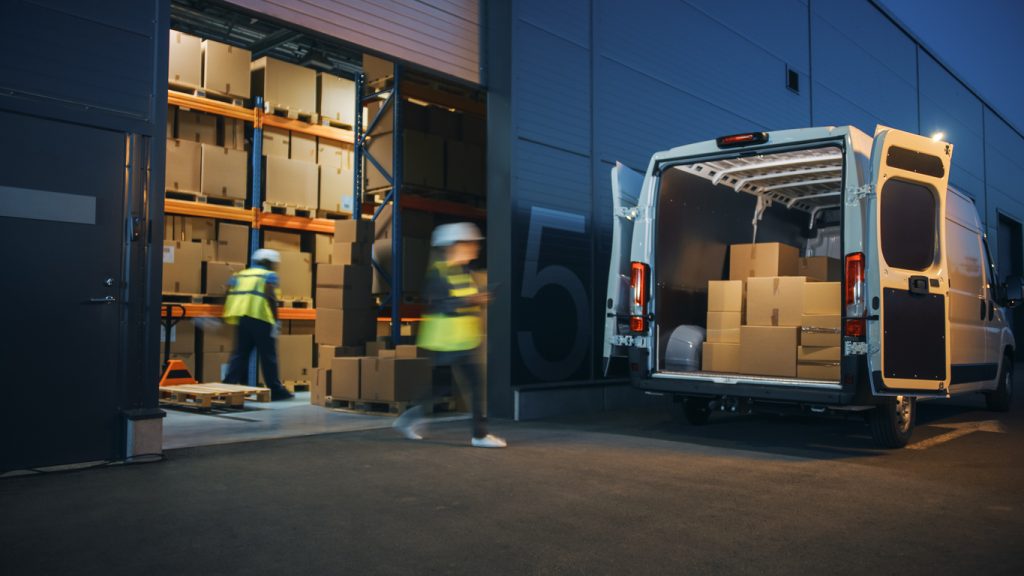
Retail logistics in Nigeria has become far more demanding than it was a few years ago. Customers now expect quicker deliveries, better tracking, and reliable service whether they are ordering from a supermarket in Lagos, a fashion retailer in Abuja, or an online store serving customers nationwide.
For many businesses, the challenge is not selling products. The real challenge is getting those products into customers’ hands quickly and consistently.
From traffic congestion in major cities to interstate transportation delays, retail distribution requires careful planning, dependable transport networks, and logistics partners that understand how Nigerian roads and business environments operate.
What Retailers Are Up Against Daily
A customer places an order online at 10 a.m. and expects delivery within a day or two. That sounds simple until you consider what happens behind the scenes.
A retailer may need to:
- Pick products from inventory
- Package items correctly
- Arrange transportation
- Navigate traffic conditions
- Coordinate delivery schedules
- Confirm successful delivery
In cities like Lagos, even a short-distance delivery can become complicated during peak traffic periods. Areas such as Lekki, Victoria Island, Ikeja, and Ajah often experience delays that affect delivery timelines.
Businesses that fail to account for these realities often struggle with customer complaints, missed delivery windows, and increased operational costs.
The Difference Between Moving Goods and Managing Retail Logistics
Many people assume retail logistics simply means transporting products from one location to another. In reality, it involves much more.
Effective retail supply chain operations include:
- Inventory movement
- Warehouse coordination
- Route planning
- Last-mile delivery
- Delivery tracking
- Customer communication
- Reverse logistics for returns
For example, a retailer selling electronics from Lagos to customers in Port Harcourt, Enugu, and Abuja needs a structured system that ensures products arrive safely and within expected timelines.
Without proper logistics coordination, costs increase while customer satisfaction drops.
Why Interstate Deliveries Often Create Problems
One of the biggest challenges in Nigerian retail distribution is serving customers outside major commercial hubs.
A business based in Lagos may receive orders from:
- Abuja
- Kano
- Port Harcourt
- Ibadan
- Benin City
- Enugu
Each destination comes with different transportation realities.
Road conditions, security checkpoints, weather disruptions, and vehicle availability can all affect delivery schedules.
For many businesses, maintaining reliable interstate delivery operations internally becomes expensive. This is why retailers increasingly work with logistics providers that already have transport networks and operational experience across multiple states.
What Customers Expect Today
Modern customers are less concerned about how difficult logistics operations may be. Their focus is simple:
- Fast delivery
- Accurate delivery updates
- Safe product handling
- Predictable delivery timelines
A customer ordering clothing in Abuja expects the same professionalism as someone ordering groceries within Lagos.
Businesses that consistently meet these expectations often enjoy higher customer retention and stronger word-of-mouth referrals.
How Smart Retailers Reduce Delivery Delays
Businesses that perform well usually focus on a few practical logistics principles.
Plan Deliveries Around Traffic Patterns
Experienced operators understand that dispatching goods during certain hours can significantly affect delivery speed.
Use Reliable Transport Partners
Vehicle breakdowns and inconsistent transport arrangements can disrupt entire delivery schedules.
Maintain Clear Customer Communication
Customers are generally more patient when they receive accurate updates about their orders.
Build Flexible Delivery Networks
Retail demand can increase suddenly during festive periods, promotional campaigns, or holiday seasons. Businesses with flexible logistics support are better prepared to handle these spikes.
Where Travo.ng Fits Into Retail Logistics Operations
Many retailers need more than a delivery rider. They need dependable logistics coordination that can scale with business growth.
Travo.ng supports businesses through practical logistics solutions including:
- Parcel and courier services
- Interstate cargo movement
- Business delivery support
- Transport coordination
- Vehicle hire solutions
- Corporate logistics assistance
For example, a growing retailer handling deliveries between Lagos and Abuja can benefit from structured logistics support instead of relying on multiple independent transport providers.
Businesses that also require staff travel arrangements, airport pickups, or accommodation bookings can coordinate those services through the same platform, reducing operational complexity.
Planning for Growth Starts With Better Logistics
Many Nigerian retailers focus heavily on sales and marketing while overlooking the systems required to fulfil customer orders efficiently.
The reality is that growth becomes difficult when logistics cannot keep pace with demand.
Whether serving customers within Lagos or shipping products across Nigeria, reliable retail logistics is often the difference between a business that struggles with delivery complaints and one that builds long-term customer trust.
As customer expectations continue to rise, investing in dependable logistics support is no longer optional. It has become a critical part of running a successful retail business in Nigeria.
Businesses looking for practical delivery, transport, and logistics support can leverage Travo.ng’s experience and nationwide service network to keep products moving efficiently and customers satisfied.
