


One of the most expensive mistakes in importing from China doesn’t happen during payment or shipping—it happens after production, when goods are already finished and packed, but nobody has physically confirmed if they meet the agreed standard.
For many Nigerian importers, especially those sourcing from Alibaba, Yiwu, or direct factories in Guangzhou and Shenzhen, factory inspection in China is the final safety check that determines whether an order is successful or a costly problem waiting to arrive in Lagos.
Factory inspection is simply the process of physically checking a supplier’s production facility and finished goods before they are shipped out of China.
Why Factory Inspection in China Is So Important
When you are thousands of kilometers away, you cannot rely on photos, promises, or supplier messages alone. What looks correct on paper can be completely different in reality.
Without inspection, importers often face:
- Wrong product specifications
- Poor quality control during mass production
- Missing or incorrect quantities
- Substandard packaging that fails during shipping
- Substitution of materials without notice
- Delayed shipments due to hidden production issues
Inspection reduces these risks before goods leave the factory—not after they arrive in Nigeria.
What Factory Inspection Actually Covers
A proper factory inspection is not just a quick look at products. It is a structured evaluation of both the factory and the order.
It typically includes:
- Verification of production status
- Quality check of finished goods
- Measurement and specification confirmation
- Packaging and labeling inspection
- Quantity verification against purchase order
- Random sampling of products from production batch
- Factory condition and capability assessment
The goal is to ensure what you ordered is exactly what is being produced.
Types of Factory Inspection in China
Different levels of inspection are used depending on order size and risk level.
1. Pre-Production Inspection
This happens before manufacturing starts.
It checks:
- Raw materials
- Production readiness
- Machine setup
- Sample confirmation alignment
2. During Production Inspection
This happens while goods are being produced.
It helps detect:
- Early quality issues
- Production inconsistencies
- Deviations from approved samples
3. Pre-Shipment Inspection (Most Important)
This is done when production is complete but before shipping.
It verifies:
- Final product quality
- Packaging strength
- Quantity accuracy
- Export readiness
Most importers prioritize this stage because it directly prevents defective shipments from leaving China.
What Inspectors Actually Do Inside the Factory
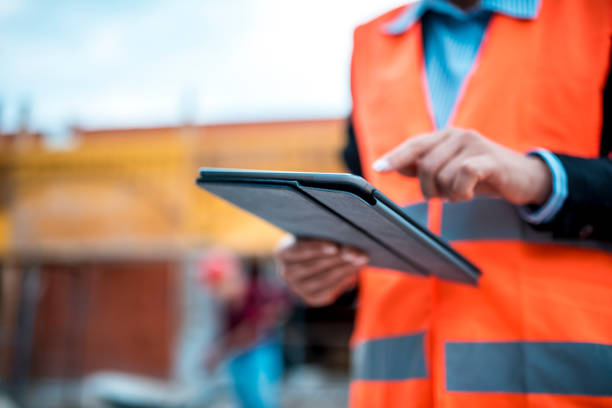
A professional inspection team will typically:
- Visit the factory physically
- Randomly select products from finished batches
- Compare products with approved samples
- Test functionality (for electronics or tools)
- Check packaging durability for long-distance shipping
- Verify product labeling and branding accuracy
- Confirm order quantity matches agreement
- Take photos and videos as proof
This creates transparency between buyer and supplier.
Common Problems Found During Factory Inspections
Factory inspection often reveals issues that suppliers do not disclose, such as:
- Inconsistent product quality within the same batch
- Substandard materials used in mass production
- Poor packaging that may not survive sea freight
- Incorrect labeling or branding errors
- Missing accessories or components
- Overproduction or underproduction of order quantity
These issues are easier and cheaper to fix before shipment.
Why Many Importers Skip Inspection (And Why That Is Risky)
Some importers skip inspection to save cost or because they trust the supplier. Others assume Alibaba “Verified” badges are enough.
But skipping inspection can lead to:
- Receiving unusable goods in Nigeria
- Losing entire shipments due to defects
- High customs and logistics costs for rejected goods
- Loss of customer trust in local markets
- Reduced profit margins due to returns or waste
Inspection is a small cost compared to the value of the shipment.
How Factory Inspection Protects Your Import Business
When inspection is done properly, importers gain:
- Better product consistency
- Fewer defective shipments
- Reduced financial risk
- More control over supplier behavior
- Improved long-term supplier relationships
- Higher customer satisfaction in Nigeria
It essentially acts as a quality control system before goods leave China.
What a Standard Inspection Report Includes
After inspection, you usually receive a detailed report containing:
- Factory overview
- Product photos and videos
- Quality assessment results
- Quantity verification
- Packaging condition report
- Defect list (if any)
- Inspector recommendations
This report helps you decide whether to approve shipment or request corrections.
Cost of Factory Inspection in China (Realistic View)
Inspection cost depends on:
- Factory location
- Order size
- Inspection type (pre-production, during production, or pre-shipment)
- Product complexity
For most importers, the cost is relatively small compared to shipment value, especially for bulk orders.
When You Should Always Request Factory Inspection
Inspection is strongly recommended when:
- Ordering high-value goods
- Dealing with a new supplier
- Custom-branded products are involved
- Importing electronics or fragile items
- Shipping large bulk orders to Nigeria
- Working with suppliers found online (Alibaba/1688)
In these cases, inspection is not optional—it is protection.
Why Nigerian Importers Need Inspection More Than Others
Nigerian importers often face additional risks such as:
- Limited ability to physically visit factories in China
- Heavy reliance on freight forwarders and agents
- Long shipping routes increasing risk exposure
- High cost of shipment failure or product rejection
- Currency fluctuations affecting profit margins
Because of this, factory inspection becomes even more critical for business stability.
How Travo.ng Supports Factory Inspection and Import Logistics in China
For Nigerian importers sourcing from China, managing inspection directly can be difficult due to distance, language barriers, and supplier coordination challenges.
Travo.ng helps coordinate:
- Factory inspection scheduling in China
- Pre-shipment and production-stage inspections
- Supplier verification and quality checks
- Cargo consolidation from verified factories
- Air and sea freight coordination to Nigeria
- Customs clearance support
- Delivery logistics in Lagos and other cities
- End-to-end import supply chain management
This helps importers reduce risk while ensuring goods meet expectations before shipping.
Final Thoughts on Factory Inspection in China
Importing successfully is not just about finding a supplier—it is about controlling quality before goods leave the factory.
Factory inspection ensures that what you paid for is exactly what gets shipped, reducing risk, protecting your money, and improving long-term business reliability.
For serious importers, especially in Nigeria’s competitive market, inspection is not an extra step—it is a core part of doing business safely and profitably.
