


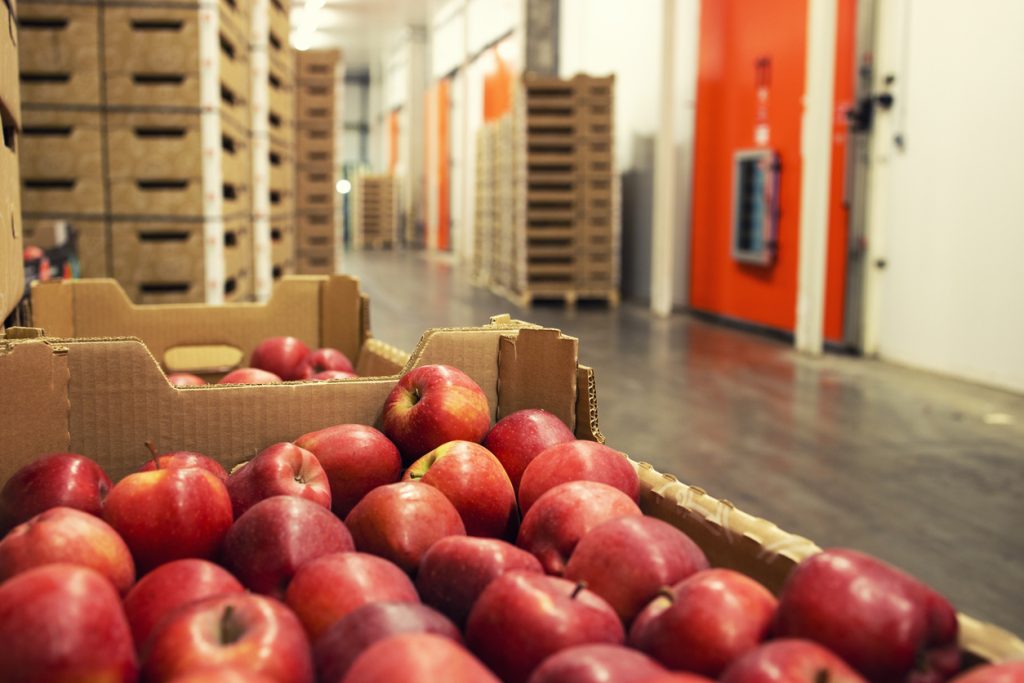
Keeping food fresh in Nigeria can be difficult, especially when electricity is unreliable and products must travel long distances. For businesses handling frozen foods, seafood, meat, vegetables, and dairy products, poor temperature control can lead to serious financial losses.
A mobile cold room in Nigeria provides a practical way to store temperature-sensitive goods without depending entirely on permanent cold storage facilities.
Whether you operate a restaurant in Lagos, supply frozen chicken to supermarkets, or distribute fresh produce across states, understanding how mobile refrigeration works can help protect your stock and reduce waste.
How a Mobile Cold Room Works in Nigeria
A mobile cold room is a refrigerated storage unit that can be transported or positioned at different locations. Unlike permanent cold rooms, these units offer flexibility for businesses that need temporary or movable temperature-controlled storage.
They are particularly useful for food distributors, event caterers, agricultural suppliers, and businesses operating in locations without reliable refrigeration facilities.
Depending on the equipment, mobile cold rooms can maintain chilled or frozen temperatures suitable for different products.
For example, fresh vegetables generally require chilled storage, while frozen chicken and fish usually need temperatures around -18°C or lower.
The correct temperature depends on the product and its handling requirements.
Businesses That Need Mobile Cold Rooms in Lagos
Lagos has a large market for refrigerated storage because food products move daily between farms, markets, warehouses, restaurants, and retail outlets.
Businesses operating around Mile 12, Oyingbo, Ikeja, Lekki, and Victoria Island often need dependable temperature-controlled storage.
Common users include:
- Frozen food distributors storing fish, chicken, and meat.
- Restaurants preserving ingredients before preparation.
- Event caterers handling large quantities of perishable food.
- Agricultural businesses transporting fresh produce.
- Supermarkets managing temporary storage shortages.
For instance, a catering company preparing food for a wedding in Lekki may need additional refrigeration for two days.
Instead of installing a permanent facility, renting a mobile cold room could provide the required capacity.
What Does a Mobile Cold Room in Nigeria Cost?
The cost of hiring a mobile cold room depends on several operational factors.
These include storage capacity, required temperature, rental duration, delivery location, and electricity or generator requirements.
A small refrigerated unit used for chilled drinks will have different operating costs from a larger freezer unit storing several tonnes of frozen fish.
Before requesting a quotation, confirm:
- The quantity and type of products being stored.
- Whether chilled or frozen temperatures are required.
- The number of rental days.
- Available electricity or backup power.
- Transportation, installation, and maintenance charges.
Businesses should request a complete quotation rather than comparing rental prices alone.
Fuel consumption, equipment delivery, and technical support can significantly affect the final expense.
Moving Temperature-Sensitive Goods Across Nigeria
Cold storage alone cannot prevent spoilage if products become warm during transportation.
For example, frozen seafood travelling from Lagos to Abuja needs appropriate refrigerated transport arrangements, especially when road delays extend delivery times.
Businesses should also avoid leaving frozen products exposed during loading and unloading.
Proper packaging, temperature monitoring, and coordinated delivery schedules help maintain product quality.
Travo.ng supports businesses with cargo logistics, delivery coordination, and transport planning for goods moving within Lagos and across Nigeria.
Where specialist refrigeration is required, businesses should confirm equipment availability and temperature requirements before arranging transportation.
Arrange Cold Storage Logistics With Travo.ng
Choosing a mobile cold room involves more than finding available refrigeration equipment.
Businesses must consider storage capacity, operating costs, power reliability, product safety, and delivery arrangements.
For companies moving perishable goods between warehouses, markets, and customers, reliable logistics coordination is equally important.
Travo.ng offers practical business logistics support, cargo movement, and delivery coordination to help Nigerian businesses organise their transportation needs.
Contact Travo.ng to discuss your refrigerated cargo transportation and cold storage logistics requirements before scheduling your next delivery.
Is this conversation helpful so far?
