


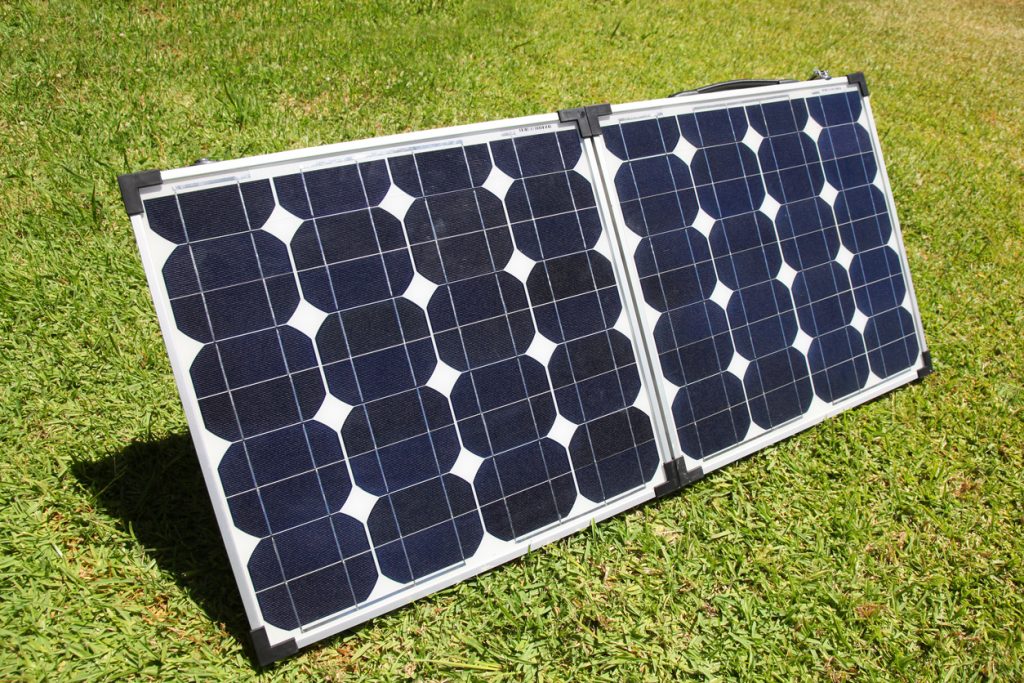
Keeping food, drinks, and temperature-sensitive products cold can be expensive in Nigeria, especially when electricity supply is unpredictable. Businesses often depend on petrol or diesel generators to keep refrigerators running, increasing daily operating expenses.
Solar refrigeration in Nigeria offers an alternative for supermarkets, restaurants, pharmacies, agricultural businesses, and households looking for more dependable cooling without constant generator use.
However, choosing the right system involves more than buying solar panels. Storage capacity, battery performance, installation requirements, and equipment transportation all affect how well the system performs.
How Solar Refrigeration Works During Power Outages
Solar refrigerators use electricity generated by solar panels to maintain low temperatures. Depending on the system, electricity may power the refrigerator directly or pass through a battery and controller.
Battery-supported systems can continue cooling at night or during cloudy weather, provided sufficient energy has been stored.
For businesses in Lagos, Abuja, and Port Harcourt, this can reduce dependence on generators while helping protect perishable stock.
However, solar refrigeration is not automatically uninterrupted refrigeration. Battery capacity, sunlight availability, refrigerator efficiency, and daily usage determine performance.
What Solar Refrigeration in Nigeria Actually Costs
The cost depends on refrigerator size, cooling requirements, solar panel capacity, and battery storage.
A small solar-powered refrigerator for household use requires considerably less equipment than a commercial cold room handling hundreds of kilograms of frozen products.
Before requesting quotations, consider:
- Refrigerator capacity and expected daily usage.
- Solar panels and battery storage requirements.
- Installation materials and electrical protection.
- Equipment delivery and installation location.
- Maintenance and replacement costs.
Businesses should compare the total installation cost against their existing electricity and generator expenses.
A cheaper system may become expensive if its battery cannot support overnight cooling.
Where Solar Cooling Makes the Biggest Difference
Solar refrigeration is particularly useful for businesses handling products that deteriorate quickly without proper temperature control.
In Lagos, food vendors around Mile 12 and restaurant suppliers in Lekki may benefit from dependable cooling for vegetables, dairy products, and other perishables.
Agricultural businesses in Ogun, Oyo, and Kaduna can also use solar-powered cold storage to reduce post-harvest losses.
Pharmacies and medical facilities may consider appropriately designed solar refrigeration for temperature-sensitive medicines. Vaccine storage, however, requires equipment that meets applicable medical cold-chain standards.
For these businesses, maintaining the correct temperature matters just as much as reducing electricity expenses.
Moving Solar Refrigeration Equipment Safely Across Nigeria
Transportation is an important part of installing commercial solar refrigeration systems.
Solar panels, batteries, refrigeration compressors, and insulated storage units require careful handling.
For example, moving equipment from Lagos to Abuja involves suitable vehicle selection, protective packaging, loading arrangements, and delivery coordination.
Travo.ng provides cargo logistics, delivery coordination, and business transport support that can help customers arrange the movement of refrigeration equipment between locations.
Businesses should confirm equipment dimensions, weight, handling requirements, and delivery access before scheduling transportation.
Choosing a System That Can Handle Nigerian Conditions
Before purchasing solar refrigeration equipment, confirm that the supplier understands local operating conditions.
Ask about battery autonomy, warranty coverage, spare parts, technical support, and performance during periods of reduced sunlight.
Commercial users should also request a proper assessment of their daily cooling requirements.
A restaurant storing frozen meat needs a different setup from a supermarket keeping beverages chilled.
Plan Your Solar Refrigeration Project With Travo.ng
Investing in solar refrigeration in Nigeria can help businesses manage cooling expenses and reduce product losses when the system is properly designed.
Reliable equipment transportation is equally important during installation or expansion.
Travo.ng can support your project through cargo movement, equipment delivery, and logistics coordination across Nigeria.
Whether you are setting up a restaurant refrigerator in Lagos or transporting cold-storage equipment to Abuja, arrange your logistics with Travo.ng and keep your project moving efficiently.
Is this conversation helpful so far?
