


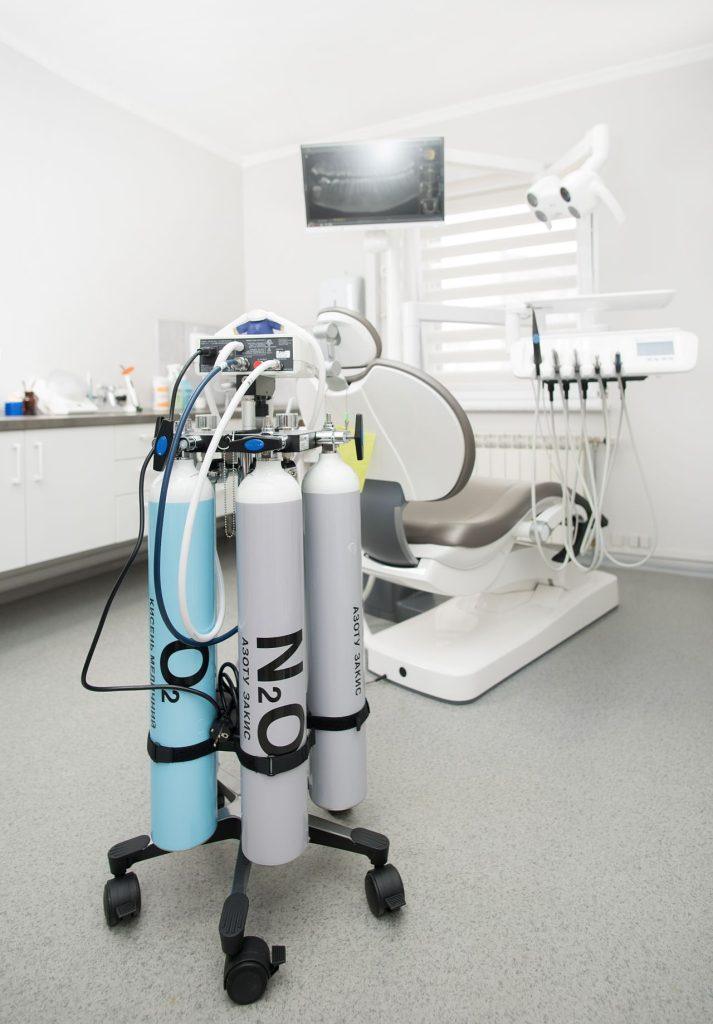
Hospital oxygen supply in Nigeria is not something hospitals, clinics, or home care providers can afford to handle casually. When oxygen is needed, timing, handling, and coordination matter. A delayed cylinder, poor transport arrangement, or unreliable supplier can put patients, medical teams, and caregivers under unnecessary pressure.
Across Nigeria, oxygen demand comes from different places. Some hospitals need steady supply for wards and emergency units. Private clinics may require cylinders for procedures, maternity care, recovery rooms, or short-term patient support. Families caring for elderly or recovering patients at home may also need oxygen delivered safely and quickly.
That is why oxygen logistics must be treated as a serious medical delivery service, not just a normal parcel movement.
How Hospitals Usually Manage Oxygen Supply in Nigeria
In many Nigerian cities, hospitals depend on refill points, oxygen plants, medical gas vendors, and delivery partners to keep cylinders available. Bigger facilities may have direct supply arrangements, while smaller clinics often arrange pickups and refills when stock is running low.
The challenge is that oxygen supply does not always follow a simple schedule. A clinic in Lekki may suddenly need extra cylinders after admitting more patients. A private hospital in Abuja may need weekend refill support. A care home in Port Harcourt may require careful delivery to avoid moving a patient unnecessarily.
Good coordination helps facilities avoid last-minute panic. The process usually involves confirming cylinder size, pickup address, refill or supply point, delivery destination, and urgency before dispatch.
What Can Go Wrong With Poor Oxygen Delivery Planning
Hospital oxygen supply in Nigeria becomes stressful when the logistics side is not properly arranged. Some common issues include:
Late pickup: Traffic, poor route planning, or unavailable drivers can delay oxygen movement.
Wrong cylinder handling: Medical oxygen cylinders should be transported carefully and kept secure during movement.
Unclear delivery instructions: Hospitals often have specific entrances, security checks, or receiving points.
Poor communication: If the driver, supplier, and hospital are not aligned, delivery can waste valuable time.
No backup plan: Clinics that wait until the last cylinder is almost empty may struggle during emergencies.
This is why medical oxygen delivery should be planned with more care than regular courier jobs.
Realistic Delivery Concerns in Nigerian Cities
Moving oxygen in Lagos is different from moving oxygen in Abuja, Ibadan, Benin, or Port Harcourt. In Lagos, traffic around Ikeja, Lekki, Apapa, Surulere, and Victoria Island can affect delivery timelines. A trip that should take 45 minutes may stretch longer during rush hour or heavy rain.
In Abuja, routes may be smoother, but distance between districts like Gwarinpa, Wuse, Maitama, Asokoro, and Lugbe still matters. For interstate movement, oxygen transport requires even more planning because road conditions, security checks, and travel time must be considered.
For urgent oxygen needs, it is better to arrange dispatch early, share accurate contact details, and confirm that the receiving person is available before the driver arrives.
How Travo.ng Supports Hospital Oxygen Logistics
Travo.ng helps hospitals, clinics, care providers, and families coordinate practical medical delivery support across Nigeria. For hospital oxygen supply in Nigeria, the role is not just moving a cylinder from one place to another. It is about making the process more dependable.
Depending on the situation, Travo.ng can assist with:
Medical oxygen pickup and delivery coordination
Courier support for urgent healthcare logistics
Transport arrangement for clinics and care homes
Scheduled delivery planning for recurring supply needs
Driver coordination for sensitive medical items
Support for hospitals managing multiple delivery locations
The goal is to reduce stress for medical staff and caregivers by making the movement of oxygen more organised and easier to track.
What to Confirm Before Booking Oxygen Delivery
Before arranging hospital oxygen delivery, it helps to confirm a few details:
Cylinder quantity and size
Pickup and delivery address
Contact person at both locations
Whether the cylinder is full, empty, or going for refill
Urgency of the delivery
Preferred delivery time
Any hospital gate, reception, or ward instruction
These details help prevent confusion and improve delivery speed.
Who Needs Reliable Oxygen Supply Support
Hospital oxygen supply in Nigeria is useful for more than large hospitals. It also supports:
Private clinics
Maternity centres
Diagnostic centres
Home care patients
Elderly care providers
Emergency care teams
Medical suppliers
NGOs and community health projects
For businesses and healthcare organisations that need regular support, scheduled logistics can be better than booking only during emergencies.
A Practical Way to Handle Medical Oxygen Movement
Oxygen delivery requires seriousness, especially when patients depend on it. Hospitals and caregivers should not wait until supply is almost finished before arranging movement. Planning ahead gives enough time for pickup, refill, dispatch, and safe delivery.
Travo.ng provides practical logistics support for medical oxygen supply, courier services, delivery coordination, and healthcare transport needs across Nigeria. Whether you are managing a clinic, supporting a patient at home, or coordinating supplies for a medical facility, Travo.ng can help make oxygen movement more reliable and less stressful.
