


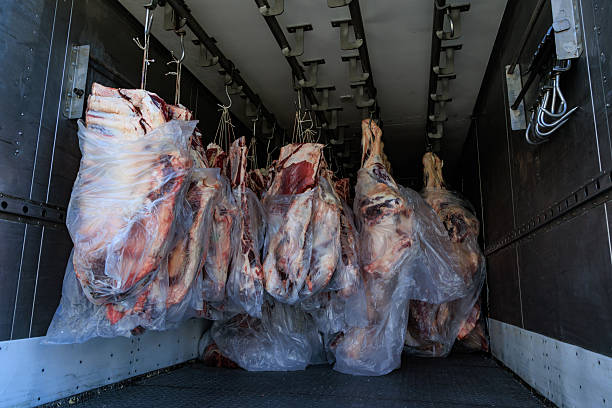
Cold chain delivery in Nigeria is not the same as normal parcel delivery. When you are moving frozen food, vaccines, medical samples, fresh produce, cosmetics, seafood, dairy products or temperature-sensitive chemicals, timing and handling matter as much as the vehicle itself.
A package that arrives late can still be accepted in regular courier delivery. But with chilled or frozen items, one hour of poor handling can spoil the goods, reduce product quality or create health risks. This is why businesses and individuals need a delivery partner that understands Nigerian roads, weather, traffic and temperature control.
Travo.ng helps customers arrange practical cold chain logistics, courier support and transport coordination for items that must remain protected from pickup to final delivery.
What Makes Cold Chain Delivery Different From Regular Dispatch
Cold chain delivery involves moving goods under controlled temperature conditions. The aim is to keep products within a safe temperature range throughout the journey.
In Nigeria, this can be challenging because of heat, road delays, power interruptions, traffic congestion and long interstate travel times. A chilled food package moving from Lekki to Ikeja, for example, may face two to three hours of traffic depending on the time of day. A medical sample moving from Lagos to Abuja needs even stricter timing and handling.
Cold chain delivery usually requires:
Insulated packaging: Items are packed in cold boxes, thermal bags or temperature-safe containers.
Ice packs or cooling materials: These help maintain the required temperature during movement.
Fast route planning: Riders, vans or vehicles must avoid unnecessary delays where possible.
Careful pickup timing: Goods should not sit outside too long before dispatch.
Clear delivery instructions: The receiver should be ready before the item arrives.
These small details make a big difference, especially for businesses that depend on product freshness.
Common Items That Need Cold Chain Delivery in Nigeria
Many Nigerian businesses now rely on cold chain movement more than before. Food vendors, pharmacies, diagnostic labs, supermarkets, farms and online stores all need safer temperature-controlled delivery options.
Common items include:
Frozen foods: Chicken, turkey, fish, prawns, beef, soups and ready-to-cook food packs.
Pharmaceutical products: Vaccines, insulin, test kits, reagents and selected medicines.
Fresh produce: Fruits, vegetables, herbs and perishable farm products.
Dairy and bakery products: Yoghurt, cheese, cakes, cream-based pastries and desserts.
Medical samples: Lab specimens, blood samples and diagnostic materials that require careful movement.
Beauty and skincare products: Some creams, serums and active formulations can be affected by heat.
For these deliveries, the main concern is not only speed. The goods must arrive in usable condition.
What It Can Cost to Move Temperature-Sensitive Goods
Cold chain delivery prices in Nigeria depend on distance, packaging needs, urgency, item size and whether the movement is within a city or interstate.
For short-distance city delivery in Lagos, Abuja or Port Harcourt, a small chilled item may cost more than regular dispatch because of insulated handling and faster coordination. A same-day frozen food delivery within Lagos may be priced differently from a normal document or clothing dispatch.
Interstate cold chain logistics can cost significantly more, especially when moving bulk frozen goods or pharmaceutical products between cities such as Lagos, Ibadan, Abuja, Enugu, Kano or Port Harcourt.
The most realistic approach is to request a quote based on:
Pickup and delivery location: Exact addresses help with route planning.
Temperature requirement: Chilled, frozen or ambient-controlled delivery.
Item type and quantity: A small medical sample is different from cartons of frozen fish.
Delivery urgency: Same-day, scheduled or interstate movement.
Packaging availability: Some items may need extra insulation before transport.
Travo.ng can help customers review these details and arrange the right delivery option instead of guessing.
Mistakes People Make When Sending Cold Items
One common mistake is treating frozen or chilled goods like regular parcels. Many customers pack items in ordinary nylon bags or cartons and expect them to survive hours of heat and traffic.
Another mistake is booking delivery too late in the day. In Lagos, for instance, moving frozen items during evening traffic from Island to Mainland can increase the risk of thawing. Early morning or planned mid-day movement may be better depending on the route.
Some senders also forget to confirm that the receiver is available. If a rider arrives and the customer is not reachable, the delay can affect the quality of the goods.
For business deliveries, poor labelling is another issue. Packages should clearly indicate whether they are fragile, frozen, chilled or urgent.
How Travo.ng Supports Cold Chain Delivery Planning
Travo.ng provides logistics and delivery coordination for customers who need a more reliable way to move sensitive goods across Nigeria. Depending on the request, this may include courier support, scheduled pickup, vehicle arrangement, cargo movement or business logistics planning.
For a food vendor in Lekki, this could mean arranging same-day delivery of frozen meal packs to customers in Yaba, Surulere or Ikeja. For a pharmacy or lab, it could mean coordinating careful movement of medical items with clear pickup and drop-off timing.
The advantage is practical planning. Instead of booking random dispatch and hoping for the best, customers can explain what they are moving, where it is going and how urgently it needs to arrive.
When to Book Cold Chain Delivery Early
Cold chain delivery should not be left until the last minute, especially for bulk orders or interstate movement. Businesses should schedule ahead during festive periods, public holidays, rainy season disruptions and peak traffic periods.
December, Easter, Sallah and long weekends often affect vehicle availability and delivery timing. Food businesses, pharmacies and supermarkets should plan cold deliveries early during these periods.
Book Cold Chain Delivery in Nigeria With Better Confidence
Cold chain delivery in Nigeria requires more than speed. It needs proper packaging, route planning, timing and a logistics partner that understands local movement challenges.
Whether you are sending frozen food, medical products, fresh produce or other temperature-sensitive goods, Travo.ng helps you arrange delivery support that fits the item, distance and urgency.
For safer cold chain delivery in Nigeria, book through Travo.ng and get practical logistics support for sensitive goods across Nigerian cities.
