


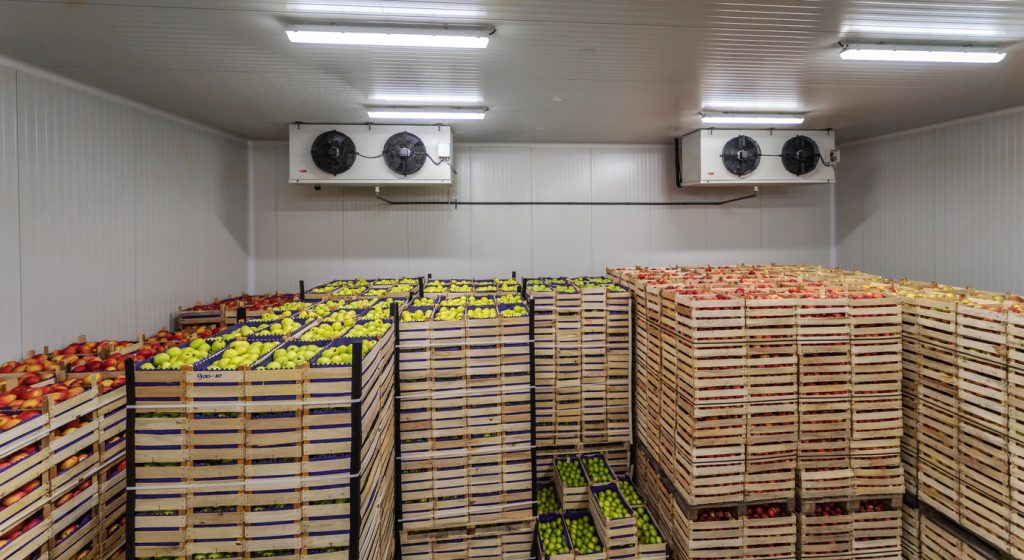
Keeping perishable products fresh in Nigeria can be difficult, especially when electricity is unreliable and temperatures remain high. For businesses handling frozen foods, agricultural produce, seafood, or dairy products, poor storage can quickly lead to financial losses.
A portable cold room in Nigeria provides a flexible refrigeration solution for businesses that need temperature-controlled storage without constructing a permanent facility.
Whether you operate a restaurant in Lagos, distribute frozen chicken in Abuja, or supply vegetables to supermarkets, portable cold storage can help protect your inventory and maintain product quality.
How Portable Cold Rooms Work in Nigeria
A portable cold room is a refrigerated storage unit designed to maintain controlled temperatures while allowing relocation when necessary.
Unlike permanent cold storage facilities, portable units can be installed at warehouses, markets, farms, processing centres, or temporary business locations.
Depending on the refrigeration system, these units can support different storage requirements.
- Frozen foods: Usually require temperatures around -18°C or lower.
- Fresh vegetables: Need suitable temperature and humidity settings depending on the produce.
- Dairy products: Generally require refrigeration around 0°C to 4°C, depending on the product.
- Seafood: Requires carefully controlled chilled or frozen storage conditions.
Businesses should confirm the equipment’s temperature range before booking or purchasing.
Where Businesses Need Portable Cold Rooms in Nigeria
Cold storage demand is particularly noticeable in commercial centres such as Lagos, Abuja, Port Harcourt, and Kano.
Food distributors operating around Mile 12 Market in Lagos may need temporary refrigerated storage before transporting vegetables to restaurants and retailers.
Similarly, frozen food businesses in Lekki, Ikeja, and Surulere may require additional storage capacity during festive seasons when customer orders increase.
Portable refrigeration is also useful for:
- Agricultural cooperatives storing harvested produce.
- Catering companies managing large events.
- Supermarkets handling seasonal inventory.
- Seafood distributors receiving bulk deliveries.
- Food processors awaiting scheduled transportation.
The appropriate storage capacity depends on daily inventory volume, product packaging, and expected storage duration.
What Does a Portable Cold Room in Nigeria Cost?
The cost of hiring or purchasing portable refrigeration equipment varies considerably.
Several factors influence the final quotation, including:
- Storage capacity: Larger units generally cost more.
- Temperature requirements: Freezer systems may have higher operating costs than chilled storage.
- Rental duration: Daily, weekly, and monthly arrangements can have different rates.
- Power supply: Generators, diesel consumption, and backup electricity affect expenses.
- Delivery location: Transporting equipment outside major cities may increase installation costs.
Request a detailed quotation covering transportation, installation, electricity requirements, maintenance, and collection.
Managing Cold Storage Deliveries During Lagos Traffic
Temperature control becomes particularly important when refrigerated products must move between warehouses and customers.
For example, transporting frozen seafood from Apapa to Lekki can take longer than expected during heavy traffic.
Businesses should coordinate collection times, use suitable insulated or refrigerated vehicles, and minimise loading delays.
Travo.ng supports businesses with cargo logistics, delivery coordination, and transport arrangements that can complement their cold storage operations.
For temperature-sensitive shipments, confirm refrigerated vehicle availability and temperature requirements before arranging transportation.
Choosing the Right Portable Cold Storage Solution
Before hiring a portable cold room, inspect its refrigeration capacity, insulation, temperature monitoring system, and power requirements.
Confirm whether the installation site has adequate space, ventilation, drainage, and reliable electricity.
Businesses should also ask about emergency maintenance support because refrigeration breakdowns can damage valuable stock within hours.
A suitable cold storage arrangement should protect products throughout storage and transportation.
With practical logistics planning and transport coordination from Travo.ng, Nigerian businesses can manage perishable inventory more efficiently while reducing avoidable delivery delays and product losses.
Is this conversation helpful so far?
